Itinerary
Day itinerary:
Included Transfer from Airport to Hotel
It’s no wonder that all roads lead to the fascinating and maddening metropolis of Athens. Lift your eyes 200 feet above the city to the Parthenon, its honey-color marble columns rising from a massive limestone base, and you behold architectural perfection that has not been surpassed in 2,500 years. But, today, this shrine of classical form dominates a 21st-century boomtown. To experience Athens—Athína in Greek—fully is to understand the essence of Greece: ancient monuments surviving in a sea of cement, startling beauty amid the squalor, tradition juxtaposed with modernity. Locals depend on humor and flexibility to deal with the chaos; you should do the same. The rewards are immense. Although Athens covers a huge area, the major landmarks of the ancient Greek, Roman, and Byzantine periods are close to the modern city center. You can easily walk from the Acropolis to many other key sites, taking time to browse in shops and relax in cafés and tavernas along the way. From many quarters of the city you can glimpse “the glory that was Greece” in the form of the Acropolis looming above the horizon, but only by actually climbing that rocky precipice can you feel the impact of the ancient settlement. The Acropolis and Filopappou, two craggy hills sitting side by side; the ancient Agora (marketplace); and Kerameikos, the first cemetery, form the core of ancient and Roman Athens. Along the Unification of Archaeological Sites promenade, you can follow stone-paved, tree-lined walkways from site to site, undisturbed by traffic. Cars have also been banned or reduced in other streets in the historical center. In the National Archaeological Museum, vast numbers of artifacts illustrate the many millennia of Greek civilization; smaller museums such as the Goulandris Museum of Cycladic Art Museum and the Byzantine and Christian Museum illuminate the history of particular regions or periods. Athens may seem like one huge city, but it is really a conglomeration of neighborhoods with distinctive characters. The Eastern influences that prevailed during the 400-year rule of the Ottoman Empire are still evident in Monastiraki, the bazaar area near the foot of the Acropolis. On the northern slope of the Acropolis, stroll through Plaka (if possible by moonlight), an area of tranquil streets lined with renovated mansions, to get the flavor of the 19th-century’s gracious lifestyle. The narrow lanes of Anafiotika, a section of Plaka, thread past tiny churches and small, color-washed houses with wooden upper stories, recalling a Cycladic island village. In this maze of winding streets, vestiges of the older city are everywhere: crumbling stairways lined with festive tavernas; dank cellars filled with wine vats; occasionally a court or diminutive garden, enclosed within high walls and filled with magnolia trees and the flaming trumpet-shaped flowers of hibiscus bushes. Formerly run-down old quarters, such as Thission, Gazi and Psirri, popular nightlife areas filled with bars and mezedopoleia (similar to tapas bars), are now in the process of gentrification, although they still retain much of their original charm, as does the colorful produce and meat market on Athinas. The area around Syntagma Square, the tourist hub, and Omonia Square, the commercial heart of the city about 1 km (½ mi) northwest, is distinctly European, having been designed by the court architects of King Otho, a Bavarian, in the 19th century. The chic shops and bistros of ritzy Kolonaki nestle at the foot of Mt. Lycabettus, Athens’s highest hill (909 feet). Each of Athens’s outlying suburbs has a distinctive character: in the north is wealthy, tree-lined Kifissia, once a summer resort for aristocratic Athenians, and in the south and southeast lie Glyfada, Voula, and Vouliagmeni, with their sandy beaches, seaside bars, and lively summer nightlife. Just beyond the city’s southern fringes is Piraeus, a bustling port city of waterside fish tavernas and Saronic Gulf views.
Day itinerary:
Overnight Stay
It’s no wonder that all roads lead to the fascinating and maddening metropolis of Athens. Lift your eyes 200 feet above the city to the Parthenon, its honey-color marble columns rising from a massive limestone base, and you behold architectural perfection that has not been surpassed in 2,500 years. But, today, this shrine of classical form dominates a 21st-century boomtown. To experience Athens—Athína in Greek—fully is to understand the essence of Greece: ancient monuments surviving in a sea of cement, startling beauty amid the squalor, tradition juxtaposed with modernity. Locals depend on humor and flexibility to deal with the chaos; you should do the same. The rewards are immense. Although Athens covers a huge area, the major landmarks of the ancient Greek, Roman, and Byzantine periods are close to the modern city center. You can easily walk from the Acropolis to many other key sites, taking time to browse in shops and relax in cafés and tavernas along the way. From many quarters of the city you can glimpse “the glory that was Greece” in the form of the Acropolis looming above the horizon, but only by actually climbing that rocky precipice can you feel the impact of the ancient settlement. The Acropolis and Filopappou, two craggy hills sitting side by side; the ancient Agora (marketplace); and Kerameikos, the first cemetery, form the core of ancient and Roman Athens. Along the Unification of Archaeological Sites promenade, you can follow stone-paved, tree-lined walkways from site to site, undisturbed by traffic. Cars have also been banned or reduced in other streets in the historical center. In the National Archaeological Museum, vast numbers of artifacts illustrate the many millennia of Greek civilization; smaller museums such as the Goulandris Museum of Cycladic Art Museum and the Byzantine and Christian Museum illuminate the history of particular regions or periods. Athens may seem like one huge city, but it is really a conglomeration of neighborhoods with distinctive characters. The Eastern influences that prevailed during the 400-year rule of the Ottoman Empire are still evident in Monastiraki, the bazaar area near the foot of the Acropolis. On the northern slope of the Acropolis, stroll through Plaka (if possible by moonlight), an area of tranquil streets lined with renovated mansions, to get the flavor of the 19th-century’s gracious lifestyle. The narrow lanes of Anafiotika, a section of Plaka, thread past tiny churches and small, color-washed houses with wooden upper stories, recalling a Cycladic island village. In this maze of winding streets, vestiges of the older city are everywhere: crumbling stairways lined with festive tavernas; dank cellars filled with wine vats; occasionally a court or diminutive garden, enclosed within high walls and filled with magnolia trees and the flaming trumpet-shaped flowers of hibiscus bushes. Formerly run-down old quarters, such as Thission, Gazi and Psirri, popular nightlife areas filled with bars and mezedopoleia (similar to tapas bars), are now in the process of gentrification, although they still retain much of their original charm, as does the colorful produce and meat market on Athinas. The area around Syntagma Square, the tourist hub, and Omonia Square, the commercial heart of the city about 1 km (½ mi) northwest, is distinctly European, having been designed by the court architects of King Otho, a Bavarian, in the 19th century. The chic shops and bistros of ritzy Kolonaki nestle at the foot of Mt. Lycabettus, Athens’s highest hill (909 feet). Each of Athens’s outlying suburbs has a distinctive character: in the north is wealthy, tree-lined Kifissia, once a summer resort for aristocratic Athenians, and in the south and southeast lie Glyfada, Voula, and Vouliagmeni, with their sandy beaches, seaside bars, and lively summer nightlife. Just beyond the city’s southern fringes is Piraeus, a bustling port city of waterside fish tavernas and Saronic Gulf views.
Day itinerary:
Included Breakfast at Hotel
Day itinerary:
Delphi Museuem
Day itinerary:
Included Traditional Greek Lunch
Day itinerary:
Included Transfer from Delphi to Hotel
Day itinerary:
Overnight Stay
Day itinerary:
Included Breakfast at Hotel
Day itinerary:
Meteora Tour
Day itinerary:
Included Lunch in City
Day itinerary:
Included Transfer from Kalambaka to Athens
It’s no wonder that all roads lead to the fascinating and maddening metropolis of Athens. Lift your eyes 200 feet above the city to the Parthenon, its honey-color marble columns rising from a massive limestone base, and you behold architectural perfection that has not been surpassed in 2,500 years. But, today, this shrine of classical form dominates a 21st-century boomtown. To experience Athens—Athína in Greek—fully is to understand the essence of Greece: ancient monuments surviving in a sea of cement, startling beauty amid the squalor, tradition juxtaposed with modernity. Locals depend on humor and flexibility to deal with the chaos; you should do the same. The rewards are immense. Although Athens covers a huge area, the major landmarks of the ancient Greek, Roman, and Byzantine periods are close to the modern city center. You can easily walk from the Acropolis to many other key sites, taking time to browse in shops and relax in cafés and tavernas along the way. From many quarters of the city you can glimpse “the glory that was Greece” in the form of the Acropolis looming above the horizon, but only by actually climbing that rocky precipice can you feel the impact of the ancient settlement. The Acropolis and Filopappou, two craggy hills sitting side by side; the ancient Agora (marketplace); and Kerameikos, the first cemetery, form the core of ancient and Roman Athens. Along the Unification of Archaeological Sites promenade, you can follow stone-paved, tree-lined walkways from site to site, undisturbed by traffic. Cars have also been banned or reduced in other streets in the historical center. In the National Archaeological Museum, vast numbers of artifacts illustrate the many millennia of Greek civilization; smaller museums such as the Goulandris Museum of Cycladic Art Museum and the Byzantine and Christian Museum illuminate the history of particular regions or periods. Athens may seem like one huge city, but it is really a conglomeration of neighborhoods with distinctive characters. The Eastern influences that prevailed during the 400-year rule of the Ottoman Empire are still evident in Monastiraki, the bazaar area near the foot of the Acropolis. On the northern slope of the Acropolis, stroll through Plaka (if possible by moonlight), an area of tranquil streets lined with renovated mansions, to get the flavor of the 19th-century’s gracious lifestyle. The narrow lanes of Anafiotika, a section of Plaka, thread past tiny churches and small, color-washed houses with wooden upper stories, recalling a Cycladic island village. In this maze of winding streets, vestiges of the older city are everywhere: crumbling stairways lined with festive tavernas; dank cellars filled with wine vats; occasionally a court or diminutive garden, enclosed within high walls and filled with magnolia trees and the flaming trumpet-shaped flowers of hibiscus bushes. Formerly run-down old quarters, such as Thission, Gazi and Psirri, popular nightlife areas filled with bars and mezedopoleia (similar to tapas bars), are now in the process of gentrification, although they still retain much of their original charm, as does the colorful produce and meat market on Athinas. The area around Syntagma Square, the tourist hub, and Omonia Square, the commercial heart of the city about 1 km (½ mi) northwest, is distinctly European, having been designed by the court architects of King Otho, a Bavarian, in the 19th century. The chic shops and bistros of ritzy Kolonaki nestle at the foot of Mt. Lycabettus, Athens’s highest hill (909 feet). Each of Athens’s outlying suburbs has a distinctive character: in the north is wealthy, tree-lined Kifissia, once a summer resort for aristocratic Athenians, and in the south and southeast lie Glyfada, Voula, and Vouliagmeni, with their sandy beaches, seaside bars, and lively summer nightlife. Just beyond the city’s southern fringes is Piraeus, a bustling port city of waterside fish tavernas and Saronic Gulf views.
Day itinerary:
Overnight Stay
It’s no wonder that all roads lead to the fascinating and maddening metropolis of Athens. Lift your eyes 200 feet above the city to the Parthenon, its honey-color marble columns rising from a massive limestone base, and you behold architectural perfection that has not been surpassed in 2,500 years. But, today, this shrine of classical form dominates a 21st-century boomtown. To experience Athens—Athína in Greek—fully is to understand the essence of Greece: ancient monuments surviving in a sea of cement, startling beauty amid the squalor, tradition juxtaposed with modernity. Locals depend on humor and flexibility to deal with the chaos; you should do the same. The rewards are immense. Although Athens covers a huge area, the major landmarks of the ancient Greek, Roman, and Byzantine periods are close to the modern city center. You can easily walk from the Acropolis to many other key sites, taking time to browse in shops and relax in cafés and tavernas along the way. From many quarters of the city you can glimpse “the glory that was Greece” in the form of the Acropolis looming above the horizon, but only by actually climbing that rocky precipice can you feel the impact of the ancient settlement. The Acropolis and Filopappou, two craggy hills sitting side by side; the ancient Agora (marketplace); and Kerameikos, the first cemetery, form the core of ancient and Roman Athens. Along the Unification of Archaeological Sites promenade, you can follow stone-paved, tree-lined walkways from site to site, undisturbed by traffic. Cars have also been banned or reduced in other streets in the historical center. In the National Archaeological Museum, vast numbers of artifacts illustrate the many millennia of Greek civilization; smaller museums such as the Goulandris Museum of Cycladic Art Museum and the Byzantine and Christian Museum illuminate the history of particular regions or periods. Athens may seem like one huge city, but it is really a conglomeration of neighborhoods with distinctive characters. The Eastern influences that prevailed during the 400-year rule of the Ottoman Empire are still evident in Monastiraki, the bazaar area near the foot of the Acropolis. On the northern slope of the Acropolis, stroll through Plaka (if possible by moonlight), an area of tranquil streets lined with renovated mansions, to get the flavor of the 19th-century’s gracious lifestyle. The narrow lanes of Anafiotika, a section of Plaka, thread past tiny churches and small, color-washed houses with wooden upper stories, recalling a Cycladic island village. In this maze of winding streets, vestiges of the older city are everywhere: crumbling stairways lined with festive tavernas; dank cellars filled with wine vats; occasionally a court or diminutive garden, enclosed within high walls and filled with magnolia trees and the flaming trumpet-shaped flowers of hibiscus bushes. Formerly run-down old quarters, such as Thission, Gazi and Psirri, popular nightlife areas filled with bars and mezedopoleia (similar to tapas bars), are now in the process of gentrification, although they still retain much of their original charm, as does the colorful produce and meat market on Athinas. The area around Syntagma Square, the tourist hub, and Omonia Square, the commercial heart of the city about 1 km (½ mi) northwest, is distinctly European, having been designed by the court architects of King Otho, a Bavarian, in the 19th century. The chic shops and bistros of ritzy Kolonaki nestle at the foot of Mt. Lycabettus, Athens’s highest hill (909 feet). Each of Athens’s outlying suburbs has a distinctive character: in the north is wealthy, tree-lined Kifissia, once a summer resort for aristocratic Athenians, and in the south and southeast lie Glyfada, Voula, and Vouliagmeni, with their sandy beaches, seaside bars, and lively summer nightlife. Just beyond the city’s southern fringes is Piraeus, a bustling port city of waterside fish tavernas and Saronic Gulf views.
Day itinerary:
Included Breakfast at Hotel
It’s no wonder that all roads lead to the fascinating and maddening metropolis of Athens. Lift your eyes 200 feet above the city to the Parthenon, its honey-color marble columns rising from a massive limestone base, and you behold architectural perfection that has not been surpassed in 2,500 years. But, today, this shrine of classical form dominates a 21st-century boomtown. To experience Athens—Athína in Greek—fully is to understand the essence of Greece: ancient monuments surviving in a sea of cement, startling beauty amid the squalor, tradition juxtaposed with modernity. Locals depend on humor and flexibility to deal with the chaos; you should do the same. The rewards are immense. Although Athens covers a huge area, the major landmarks of the ancient Greek, Roman, and Byzantine periods are close to the modern city center. You can easily walk from the Acropolis to many other key sites, taking time to browse in shops and relax in cafés and tavernas along the way. From many quarters of the city you can glimpse “the glory that was Greece” in the form of the Acropolis looming above the horizon, but only by actually climbing that rocky precipice can you feel the impact of the ancient settlement. The Acropolis and Filopappou, two craggy hills sitting side by side; the ancient Agora (marketplace); and Kerameikos, the first cemetery, form the core of ancient and Roman Athens. Along the Unification of Archaeological Sites promenade, you can follow stone-paved, tree-lined walkways from site to site, undisturbed by traffic. Cars have also been banned or reduced in other streets in the historical center. In the National Archaeological Museum, vast numbers of artifacts illustrate the many millennia of Greek civilization; smaller museums such as the Goulandris Museum of Cycladic Art Museum and the Byzantine and Christian Museum illuminate the history of particular regions or periods. Athens may seem like one huge city, but it is really a conglomeration of neighborhoods with distinctive characters. The Eastern influences that prevailed during the 400-year rule of the Ottoman Empire are still evident in Monastiraki, the bazaar area near the foot of the Acropolis. On the northern slope of the Acropolis, stroll through Plaka (if possible by moonlight), an area of tranquil streets lined with renovated mansions, to get the flavor of the 19th-century’s gracious lifestyle. The narrow lanes of Anafiotika, a section of Plaka, thread past tiny churches and small, color-washed houses with wooden upper stories, recalling a Cycladic island village. In this maze of winding streets, vestiges of the older city are everywhere: crumbling stairways lined with festive tavernas; dank cellars filled with wine vats; occasionally a court or diminutive garden, enclosed within high walls and filled with magnolia trees and the flaming trumpet-shaped flowers of hibiscus bushes. Formerly run-down old quarters, such as Thission, Gazi and Psirri, popular nightlife areas filled with bars and mezedopoleia (similar to tapas bars), are now in the process of gentrification, although they still retain much of their original charm, as does the colorful produce and meat market on Athinas. The area around Syntagma Square, the tourist hub, and Omonia Square, the commercial heart of the city about 1 km (½ mi) northwest, is distinctly European, having been designed by the court architects of King Otho, a Bavarian, in the 19th century. The chic shops and bistros of ritzy Kolonaki nestle at the foot of Mt. Lycabettus, Athens’s highest hill (909 feet). Each of Athens’s outlying suburbs has a distinctive character: in the north is wealthy, tree-lined Kifissia, once a summer resort for aristocratic Athenians, and in the south and southeast lie Glyfada, Voula, and Vouliagmeni, with their sandy beaches, seaside bars, and lively summer nightlife. Just beyond the city’s southern fringes is Piraeus, a bustling port city of waterside fish tavernas and Saronic Gulf views.
Day itinerary:
Acropolis Cruise Tour
It’s no wonder that all roads lead to the fascinating and maddening metropolis of Athens. Lift your eyes 200 feet above the city to the Parthenon, its honey-color marble columns rising from a massive limestone base, and you behold architectural perfection that has not been surpassed in 2,500 years. But, today, this shrine of classical form dominates a 21st-century boomtown. To experience Athens—Athína in Greek—fully is to understand the essence of Greece: ancient monuments surviving in a sea of cement, startling beauty amid the squalor, tradition juxtaposed with modernity. Locals depend on humor and flexibility to deal with the chaos; you should do the same. The rewards are immense. Although Athens covers a huge area, the major landmarks of the ancient Greek, Roman, and Byzantine periods are close to the modern city center. You can easily walk from the Acropolis to many other key sites, taking time to browse in shops and relax in cafés and tavernas along the way. From many quarters of the city you can glimpse “the glory that was Greece” in the form of the Acropolis looming above the horizon, but only by actually climbing that rocky precipice can you feel the impact of the ancient settlement. The Acropolis and Filopappou, two craggy hills sitting side by side; the ancient Agora (marketplace); and Kerameikos, the first cemetery, form the core of ancient and Roman Athens. Along the Unification of Archaeological Sites promenade, you can follow stone-paved, tree-lined walkways from site to site, undisturbed by traffic. Cars have also been banned or reduced in other streets in the historical center. In the National Archaeological Museum, vast numbers of artifacts illustrate the many millennia of Greek civilization; smaller museums such as the Goulandris Museum of Cycladic Art Museum and the Byzantine and Christian Museum illuminate the history of particular regions or periods. Athens may seem like one huge city, but it is really a conglomeration of neighborhoods with distinctive characters. The Eastern influences that prevailed during the 400-year rule of the Ottoman Empire are still evident in Monastiraki, the bazaar area near the foot of the Acropolis. On the northern slope of the Acropolis, stroll through Plaka (if possible by moonlight), an area of tranquil streets lined with renovated mansions, to get the flavor of the 19th-century’s gracious lifestyle. The narrow lanes of Anafiotika, a section of Plaka, thread past tiny churches and small, color-washed houses with wooden upper stories, recalling a Cycladic island village. In this maze of winding streets, vestiges of the older city are everywhere: crumbling stairways lined with festive tavernas; dank cellars filled with wine vats; occasionally a court or diminutive garden, enclosed within high walls and filled with magnolia trees and the flaming trumpet-shaped flowers of hibiscus bushes. Formerly run-down old quarters, such as Thission, Gazi and Psirri, popular nightlife areas filled with bars and mezedopoleia (similar to tapas bars), are now in the process of gentrification, although they still retain much of their original charm, as does the colorful produce and meat market on Athinas. The area around Syntagma Square, the tourist hub, and Omonia Square, the commercial heart of the city about 1 km (½ mi) northwest, is distinctly European, having been designed by the court architects of King Otho, a Bavarian, in the 19th century. The chic shops and bistros of ritzy Kolonaki nestle at the foot of Mt. Lycabettus, Athens’s highest hill (909 feet). Each of Athens’s outlying suburbs has a distinctive character: in the north is wealthy, tree-lined Kifissia, once a summer resort for aristocratic Athenians, and in the south and southeast lie Glyfada, Voula, and Vouliagmeni, with their sandy beaches, seaside bars, and lively summer nightlife. Just beyond the city’s southern fringes is Piraeus, a bustling port city of waterside fish tavernas and Saronic Gulf views.
Day itinerary:
Included Transfer from City to Port
Day itinerary:
With 3,000 years of history, you can’t turn around in Athens without encountering the past. The Acropolis, a UNESCO site, the Plaka, and the Acropolis Museum are must-sees. But leave time if you can to climb Pnyx Hill for photos of the Parthenon at sunset, to buy your own set of Greek komboloi (worry beads), and to explore the metro stations that serve as mini-museums for the relics that are constantly being unearthed.
Although the fishing boats still go out in good weather, Mykonos largely makes its living from tourism these days. The summer crowds have turned one of the poorest islands in Greece into one of the richest. Old Mykonians complain that their young, who have inherited stores where their grandfathers once sold eggs or wine, get so much rent that they have lost ambition, and in summer sit around pool bars at night with their friends, and hang out in Athens in winter when island life is less scintillating. Put firmly on the map by Jackie O in the 1960s, Mykonos town—called Hora by the locals—remains the Saint-Tropez of the Greek islands. The scenery is memorable, with its whitewashed streets, Little Venice, the Kato Myli ridge of windmills, and Kastro, the town’s medieval quarter. Its cubical two- or three-story houses and churches, with their red or blue doors and domes and wooden balconies, have been long celebrated as some of the best examples of classic Cycladic architecture. Luckily, the Greek Archaeological Service decided to preserve the town, even when the Mykonians would have preferred to rebuild, and so the Old Town has been impressively preserved. Pink oleander, scarlet hibiscus, and trailing green pepper trees form a contrast amid the dazzling whiteness, whose frequent renewal with whitewash is required by law. Any visitor who has the pleasure of getting lost in its narrow streets (made all the narrower by the many outdoor stone staircases, which maximize housing space in the crowded village) will appreciate how its confusing layout was designed to foil pirates—if it was designed at all. After Mykonos fell under Turkish rule in 1537, the Ottomans allowed the islanders to arm their vessels against pirates, which had a contradictory effect: many of them found that raiding other islands was more profitable than tilling arid land. At the height of Aegean piracy, Mykonos was the principal headquarters of the corsair fleets—the place where pirates met their fellows, found willing women, and filled out their crews. Eventually the illicit activity evolved into a legitimate and thriving trade network. Morning on Mykonos town’s main quay is busy with deliveries, visitors for the Delos boats, lazy breakfasters, and street cleaners dealing with the previous night’s mess. In late morning the cruise-boat people arrive, and the shops are all open. In early afternoon, shaded outdoor tavernas are full of diners eating salads (Mykonos’s produce is mostly imported); music is absent or kept low. In mid- and late afternoon, the town feels sleepy, since so many people are at the beach, on excursions, or sleeping in their air-conditioned rooms; even some tourist shops close for siesta. By sunset, people have come back from the beach, having taken their showers and rested. At night, the atmosphere in Mykonos ramps up. The cruise-boat people are mostly gone, coughing three-wheelers make no deliveries in the narrow streets, and everyone is dressed sexy for summer and starting to shimmy with the scene. Many shops stay open past midnight, the restaurants fill up, and the bars and discos make ice cubes as fast as they can. Ready to dive in? Begin your tour of Mykonos town (Hora) by starting out at its heart: Mando Mavrogenous Square.
Day itinerary:
Wake this morning to the postcard-like scene of Mykonos, the classic Greek isle dotted with hundreds of whitewashed churches and thatch-roofed windmills, in a harbor bobbing with fishing boats and luxurious private yachts. An optional tour including a scenic ferry ride takes you back to the 6th century B.C. to the tiny island of Delos, a UNESCO site and the mythical birthplace of Apollo.
Whilst the busy resort town of Kusadasi offers much in the way of shopping and dining – not to mention a flourishing beach life scene, the real jewel here is Ephesus and the stunning ruined city that really take centre stage. With only 20% of the classical ruins having been excavated, this archaeological wonder has already gained the status as Europe’s most complete classical metropolis. And a metropolis it really is; built in the 10th century BC this UNESCO World Heritage site is nothing short of spectacular. Although regrettably very little remains of the Temple of Artemis (one of the seven wonders of the ancient world), the superb Library of Celsus’ façade is practically intact and it is one of life’s great joys to attend an evening performance in the illuminated ruins once all the tourists have left. The history of the city is fascinating and multi-layered and it is well worth reading up on this beforehand if a visit is planned. Another point of interest for historians would be the house of the Virgin Mary, located on the romantically named Mount Nightingale and just nine kilometres away from Ephesus proper. Legend has it that Mary (along with St. John) spent her final years here, secluded from the rest of the population, spreading Christianity. An edifying experience, even for non-believers. For the less historical minded amongst you, Kusadasi offers plenty in the way of activities. After a stroll through the town, jump in a taxi to Ladies’ Beach (men are allowed), sample a Turkish kebap on one of the many beachfront restaurants and enjoy the clement weather. If you do want to venture further afield, then the crystal clear beaches of Guzelcamli (or the Millipark), the cave of Zeus and the white scalloped natural pools at Pamukkale, known as Cleopatra’s pools, are definitely worth a visit.
Day itinerary:
Few places offer such a rich combination of history and scenic beauty. In Ephesus, one of the greatest outdoor museums in the world, you’ll explore legendary sites steeped in history. Also visit the houses of Bulbul Mountain, where the roof of one forms the terrace of the next. This evening we present our Destination Discovery Event — dinner in the moonlight and a concert near the Celsus Library or on Harbour Street in ancient Ephesus.
For better or worse, it can be difficult to reach Patmos—for many travelers, this lack of access is definitely for the better, since the island retains the air of an unspoiled retreat. Rocky and barren, the small, 34-square-km (21-square-mi) island lies beyond the islands of Kalymnos and Leros, northwest of Kos. Here on a hillside is the Monastery of the Apocalypse, which enshrines the cave where St. John received the Revelation in AD 95. Scattered evidence of Mycenaean presence remains on Patmos, and walls of the classical period indicate the existence of a town near Skala. Most of the island’s approximately 2,800 people live in three villages: Skala, medieval Chora, and the small rural settlement of Kambos. The island is popular among the faithful making pilgrimages to the monastery as well as with vacationing Athenians and a newly growing community of international trendsetters—designers, artists, poets, and “taste gurus” (to quote Vogue’s July 2011 write-up of the island)—who have bought homes in Chora. These stylemeisters followed in the footsteps of Alexandrian John Stefanidis and the English artist Teddy Millington-Drake who, in the early ’60s, set about creating what eventually became hailed as one of the most gorgeous island homes in the world. The word soon spread thanks to their many guests (who included Jacqueline Kennedy Onassis) but, happily, administrators have carefully contained development, and as a result, Patmos retains its charm and natural beauty—even in the busy month of August.
Day itinerary:
This UNESCO World Heritage Site is known worldwide as the sacred island where St. John wrote the Book of Revelation, Patmos is the ideal place for nature lovers with its coastline of sheer cliffs and its volcanic soil. Highlights of Patmos include the Cave of the Apocalypse and the Holy Monastery of the Apocalypse.
Undoubtedly the most extraordinary island in the Aegean, crescent-shape Santorini remains a mandatory stop on the Cycladic tourist route—even if it’s necessary to enjoy the sensational sunsets from Ia, the fascinating excavations, and the dazzling white towns with a million other travelers. Called Kállisti (the “Loveliest”) when first settled, the island has now reverted to its subsequent name of Thira, after the 9th-century-BC Dorian colonizer Thiras. The place is better known, however, these days as Santorini, a name derived from its patroness, St. Irene of Thessaloniki, the Byzantine empress who restored icons to Orthodoxy and died in 802. You can fly conveniently to Santorini, but to enjoy a true Santorini rite of passage, opt instead for the boat trip here, which provides a spectacular introduction. After the boat sails between Sikinos and Ios, your deck-side perch approaches two close islands with a passage between them. The bigger one on the left is Santorini, and the smaller on the right is Thirassia. Passing between them, you see the village of Ia adorning Santorini’s northernmost cliff like a white geometric beehive. You are in the caldera (volcanic crater), one of the world’s truly breathtaking sights: a demilune of cliffs rising 1,100 feet, with the white clusters of the towns of Fira and Ia perched along the top. The bay, once the high center of the island, is 1,300 feet in some places, so deep that when boats dock in Santorini’s shabby little port of Athinios, they do not drop anchor. The encircling cliffs are the ancient rim of a still-active volcano, and you are sailing east across its flooded caldera. On your right are the Burnt isles, the White isle, and other volcanic remnants, all lined up as if some outsize display in a geology museum. Hephaestus’s subterranean fires smolder still—the volcano erupted in 198 BC, about 735, and there was an earthquake in 1956. Indeed, Santorini and its four neighboring islets are the fragmentary remains of a larger landmass that exploded about 1600 BC: the volcano’s core blew sky high, and the sea rushed into the abyss to create the great bay, which measures 10 km by 7 km (6 mi by 4½ mi) and is 1,292 feet deep. The other pieces of the rim, which broke off in later eruptions, are Thirassia, where a few hundred people live, and deserted little Aspronissi (“White isle”). In the center of the bay, black and uninhabited, two cones, the Burnt Isles of Palea Kameni and Nea Kameni, appeared between 1573 and 1925. There has been too much speculation about the identification of Santorini with the mythical Atlantis, mentioned in Egyptian papyri and by Plato (who says it’s in the Atlantic), but myths are hard to pin down. This is not true of old arguments about whether tidal waves from Santorini’s cataclysmic explosion destroyed Minoan civilization on Crete, 113 km (70 mi) away. The latest carbon-dating evidence, which points to a few years before 1600 BC for the eruption, clearly indicates that the Minoans outlasted the eruption by a couple of hundred years, but most probably in a weakened state. In fact, the island still endures hardships: since antiquity, Santorini has depended on rain collected in cisterns for drinking and irrigating—the well water is often brackish—and the serious shortage is alleviated by the importation of water. However, the volcanic soil also yields riches: small, intense tomatoes with tough skins used for tomato paste (good restaurants here serve them); the famous Santorini fava beans, which have a light, fresh taste; barley; wheat; and white-skin eggplants.
Day itinerary:
As our yacht approaches the spectacular cliffs rising from the deep azure sea, you’ll understand the magic of this area, where some say the ruins of Atlantis remain hidden. Visit the village of Oia and see the iconic Santorini blue domes or take a guided tour of Bronze Age excavations at the UNESCO site of Akrotiri. Toast the day with a crisp, cold glass of local Assyrtiko wine and appreciate the magic accessible to small ships like ours.
Monemvasia boasts a varied and colorful history that can be traced to the 8th-century when Greeks fleeing the Slav invasion of Lakonia found refuge here. In its heyday it controlled sea travel between the Levant and European shores. The wall-encircled Lower Town extends along the slopes of a 985-foot-high crag that projects into the sea on the east side of the Peloponnese. For centuries an impressive stronghold, population dwindled as the inhabitants moved to the mainland. But with the beginning of a restoration program aimed to preserve Monemvasia’s heritage, the Lower Town experienced a new lease on life, and people have begun to return. The Upper Town is situated on top of the Rock of Monemvasia. It is reached via a zigzagging, paved lane. An almost impregnable bastion in earlier days, it has been uninhabited for centuries, but still manages to preserve its magnificent appearance. Visitors today can explore the remains of the ancient citadel-castle and visit the church of Hagia Sofia. From the summit there is also a fantastic view of the surrounding area.
Day itinerary:
This Gibraltar-like town tied to the mainland by a single thread of causeway holds treasures that are old even by Mediterranean standards, with town walls and several churches dating to the 12th century. Climb to the upper town for an up-close look at the castle and Agia Sophia, a Byzantine church. Wander the lanes of the lower town lined with Venetian mansions, many of which have been lovingly restored. Savor the sun on a smooth pebble beach.
Oraia (beautiful) is the word Greeks use to describe Nafplion. The town’s old section, on a peninsula jutting into the gulf of Argos, mixes Greek, Venetian, and Turkish architecture; narrow streets, often just broad flights of stone stairs, climb the slopes beneath the walls of Acronafplia. Tree-shaded plazas surround neoclassic buildings. The Palamidi fortress—an elegant display of Venetian might from the early 1700s—guards the town. Nafplion deserves at least a leisurely day of your undivided attention, and you may want to spend several days or a week here and use the city as the base from which to explore the many surrounding ancient sights.
Day itinerary:
This charming seaside town on the Peloponnese is one of the most romantic cities in Greece. Enjoy the medieval old town with narrow cobblestone alleys, and neoclassical mansions with bougainvillea trees adorning the balconies. Take an optional tour to the UNESCO site of Epidaurus or the UNESCO site of Mycenea, ancient ruins including the famous Lion’s Gate. Stroll the Syntagma Square and take in the beauty of the Palamidi Castle with its 999 steps carved from the rocks. The view is breathtaking.
Day itinerary:
With 3,000 years of history, you can’t turn around in Athens without encountering the past. The Acropolis, a UNESCO site, the Plaka, and the Acropolis Museum are must-sees. But leave time if you can to climb Pnyx Hill for photos of the Parthenon at sunset, to buy your own set of Greek komboloi (worry beads), and to explore the metro stations that serve as mini-museums for the relics that are constantly being unearthed.
Ship features
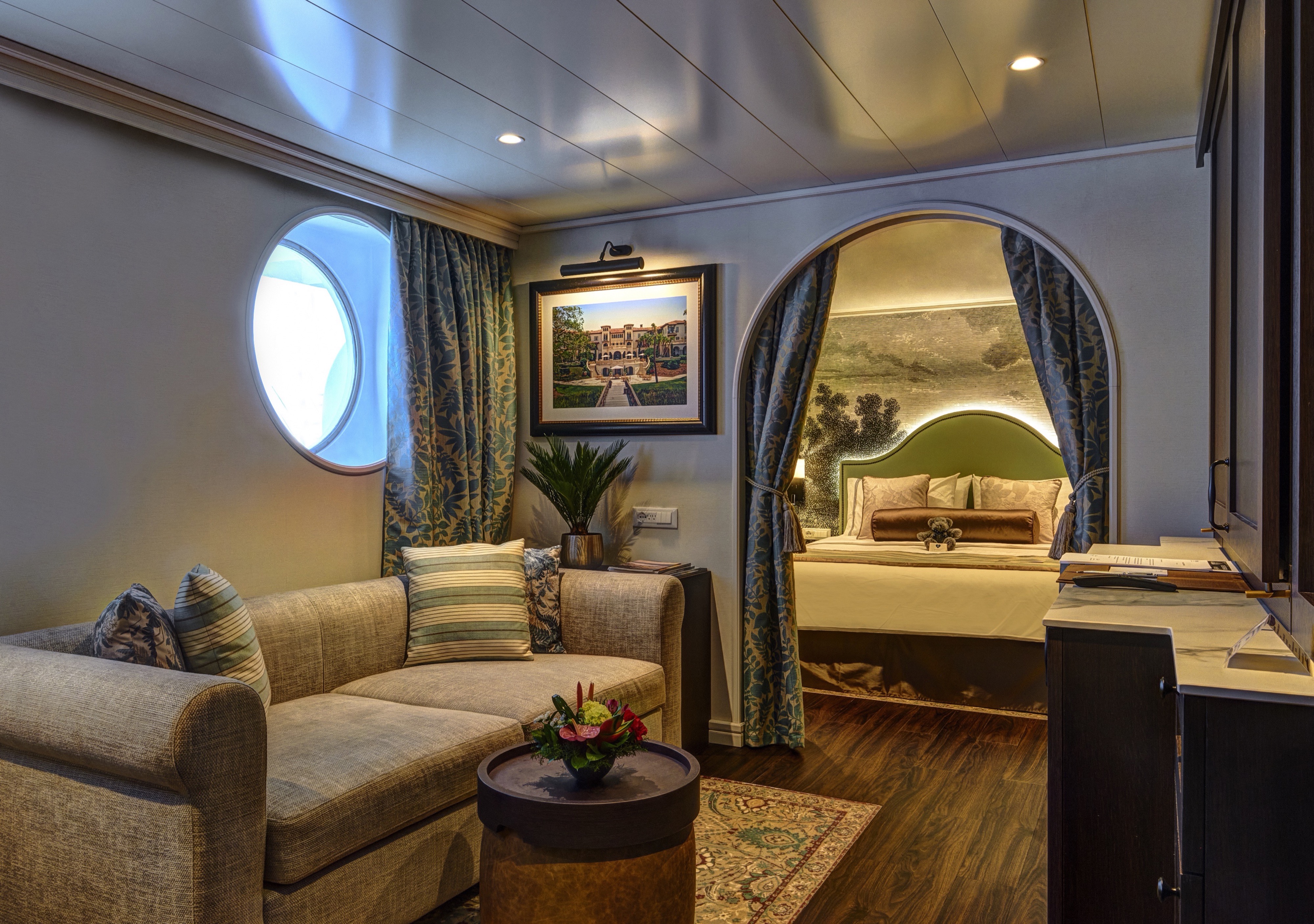
Broadmoor Suite/Sea Island Suite
For Broadmoor Suite/Sea Island Suite: Enjoy 495 square feet of elevated comfort and refined style. Within this category, each suite embodies a unique design perspective inspired by two renowned Xanterra properties. Suite 503 draws inspiration from Sea Island, reflecting the relaxed coastal elegance and warm Southern hospitality for which the celebrated Xanterra property is known. Suite 502 channels the spirit of The Broadmoor, embracing the grandeur, mountain-resort heritage, and timeless sophistication that define this iconic destination. A separate bedroom and living room, complete with an in-suite dining area, create an inviting setting for relaxation or entertaining. The expansive bathroom further enhances the experience, featuring both a whirlpool spa tub and a rejuvenating massage shower.
Amenities: Broadmoor Suite/Sea Island Suite
- Queen Size Bed with Luxurious Linens
- Buttery soft velour bathrobe and slippers
- Upgraded L’Occitane bath amenities
- Mini Bar offering and fridge
- In-room premium filtered water
- Large upgraded fruit plate
- Macarons & Berries upon arrival
- Daily Canapés service
- Chilled bottle of Champagne upon arrival
- Fresh flower arrangement
- Illy capsule espresso machine
- Magnifying mirror, hairdryer and umbrella
- TV with complimentary on-demand entertainment
- Safe
- 110/220-volt outlets
- Ultimate Internet Package (Complimentary)
- Preferred check-in
- Personalized wake-up call with beverage
- Binoculars
- Invitation to Captain or Senior officer table
- Preferred Specialty Restaurant dining
- Laundry Service (various packages available for purchase)
- 24 Hour In-Room dining (complimentary)
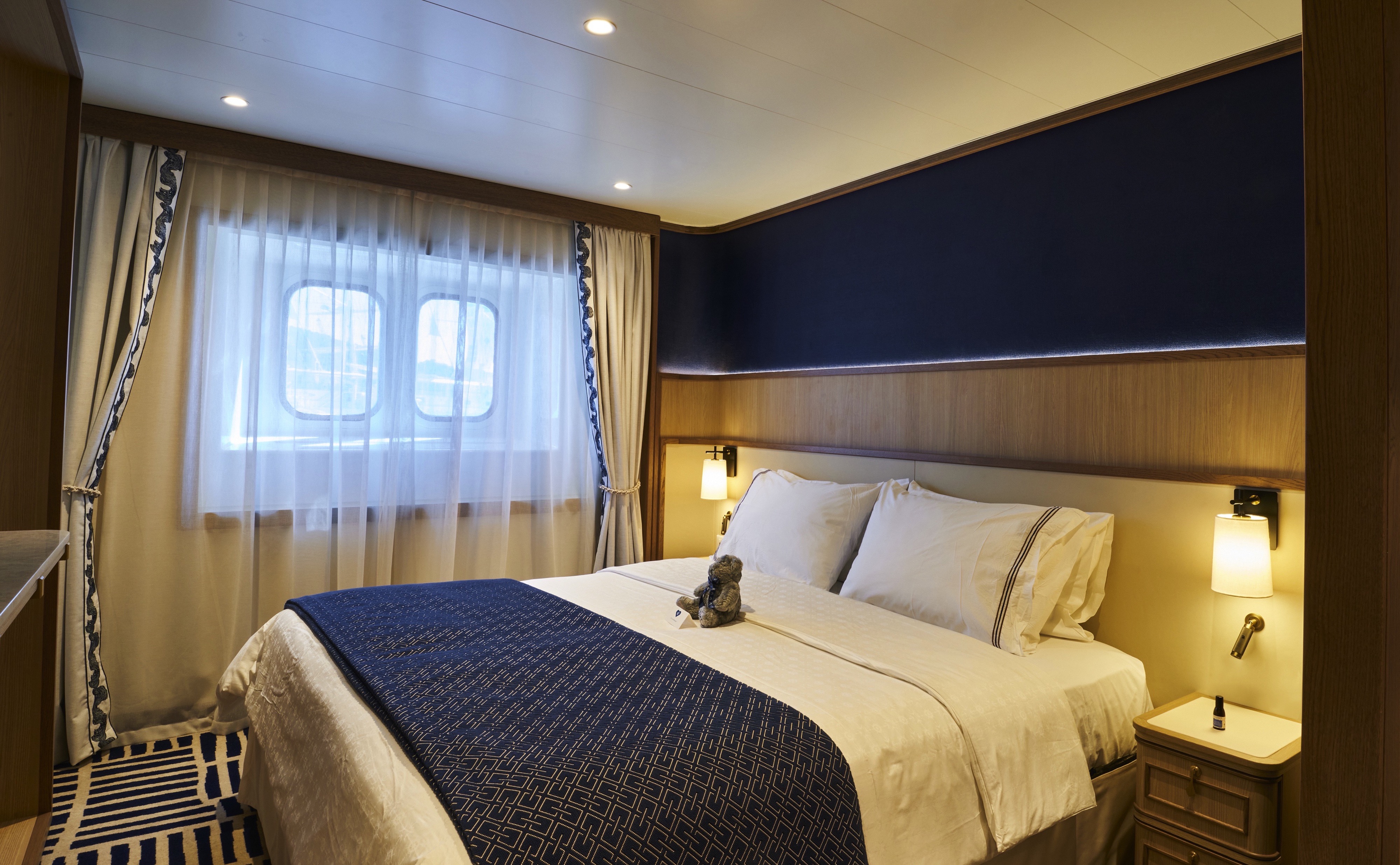
Owner's Suite
For the ultimate in nautical experiences, reserve the new Owner’s Suite located close to the Bridge where our own ship’s officers have their quarters. With its unique “insider” location and 242 square feet of comfort, this suite offers an experience you won’t find on any other cruise line. Inspired by classic yacht craftsmanship, the suite blends timeless elegance with subtle curves, leather accents, and tailored patterns.
Amenities: Owner’s suite
- Queen Size Bed with Luxurious Linens
- Buttery soft velour bathrobe and slippers
- Upgraded L’Occitane bath amenities
- Mini Bar offering and fridge
- In-room premium filtered water
- Large upgraded fruit plate
- Macarons & Berries upon arrival
- Daily Canapés service
- Chilled bottle of Champagne upon arrival
- Fresh flower arrangement
- Illy capsule espresso machine
- Magnifying mirror, hairdryer and umbrella
- TV with complimentary on-demand entertainment
- Safe
- 110/220-volt outlets
- Ultimate Internet Package (Complimentary)
- Preferred check-in
- Personalized wake-up call with beverage
- Binoculars
- Invitation to Captain or Senior officer table
- Preferred Specialty Restaurant dining
- Laundry Service (various packages available for purchase)
- 24 Hour In-Room dining (complimentary)
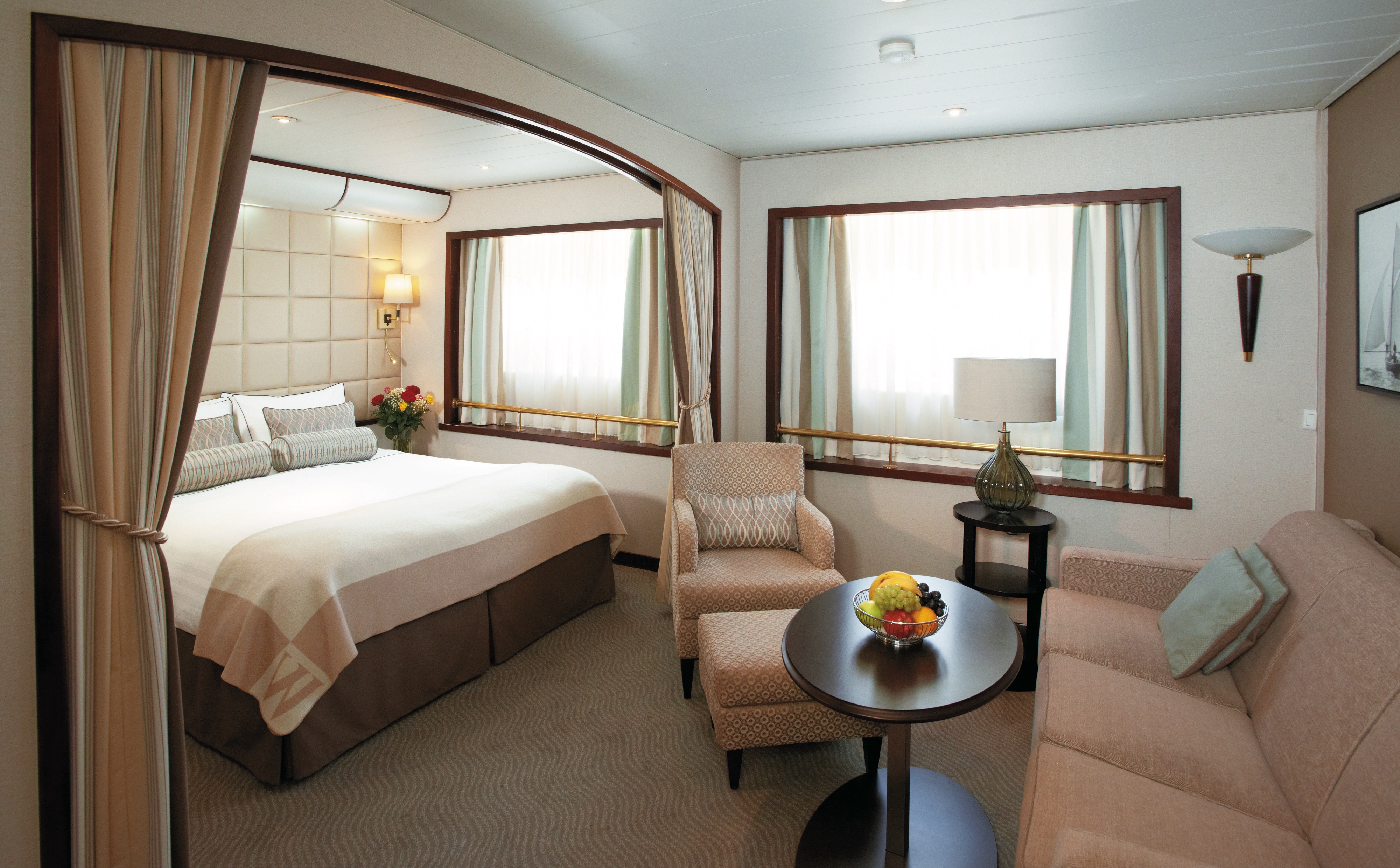
Suite
With 376 square feet, you’ll find the perfect space for time together – and plenty of room for time to yourself. You’ll even enjoy two full separate bathrooms. All the amenities of the staterooms await you, plus a beautiful sitting area, and two flat-screen television sets with DVD players.
Amenities: Suite
- Queen Size Bed with Luxurious Linens
- Mini Bar offering and fridge
- Upgraded L’Occitane bath amenities
- Fresh Fruit Plate
- Buttery soft velour bathrobe and slippers
- In-room premium filtered water
- Chilled bottle of sparkling wine upon arrival
- Fresh flower arrangement
- Magnifying mirror, hairdryer and umbrella
- TV with complimentary on-demand entertainment
- Safe
- 110/220-volt outlets
- Ultimate Internet Package (Complimentary)
- Illy capsule espresso machine
- Preferred check-in
- Personalized wake-up call with beverage
- Binoculars
- Invitation to hosting table by Officer
- Laundry Service (various packages available for purchase)
- 24 Hour In-Room dining (complimentary)
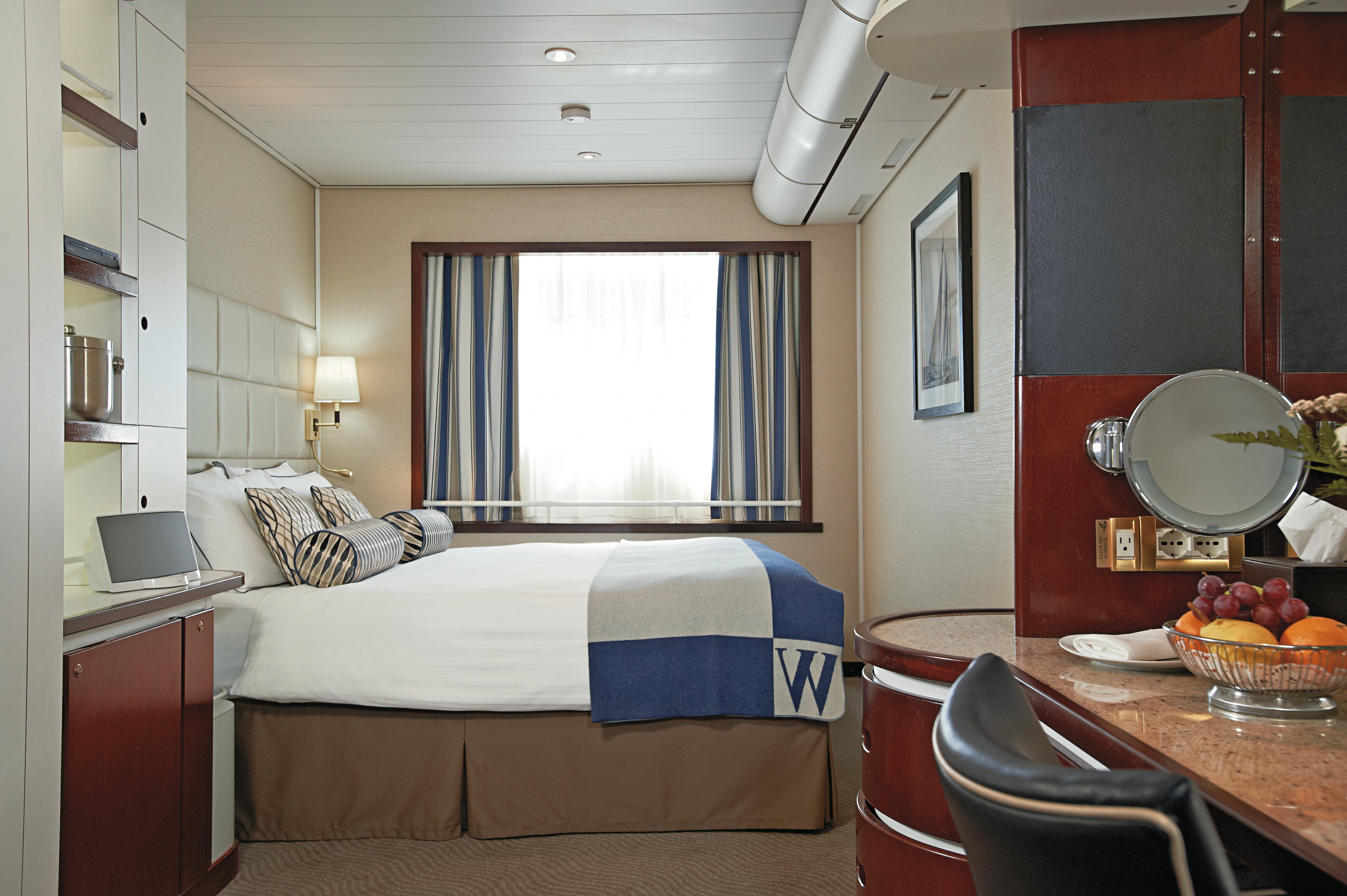
Category TX Deluxe
Stylish comfort and ocean views welcome you in 188 square feet of beautifully designed comfort. Your queen bed (which can be separated as twins if you prefer) is swathed in luxurious Egyptian cotton linens. Before or after you enjoy an invigorating massage shower with soothing L’Occitane® bath products, wrap up in your waffle-weave robe, have a snack from the fresh fruit bowl, or simply stretch out and smell the flowers.
Amenities: Category TX Deluxe
- Queen Size Bed with Luxurious Linens
- Mini Bar offering and fridge
- L’Occitane Bath Amenities
- Fresh Fruit Plate
- Magnifying mirror, hairdryer and umbrella
- Waffle Weave Robe and Slippers
- Safe
- 110/220-volt outlets
- In-room premium filtered water
- Wi-Fi (internet packages available for purchase)
- TV with complimentary on-demand entertainment
- Laundry Service (various packages available for purchase)
- 24 Hour In-Room dining (complimentary)
Category AX Deluxe
Stylish comfort and ocean views welcome you in 188 square feet of beautifully designed comfort. Your queen bed (which can be separated as twins if you prefer) is swathed in luxurious Egyptian cotton linens. Before or after you enjoy an invigorating massage shower with soothing L’Occitane® bath products, wrap up in your waffle-weave robe, have a snack from the fresh fruit bowl, or simply stretch out and smell the flowers.
Amenities: Category AX Deluxe
- Queen Size Bed with Luxurious Linens
- Mini Bar offering and fridge
- L’Occitane Bath Amenities
- Fresh Fruit Plate
- Magnifying mirror, hairdryer and umbrella
- Waffle Weave Robe and Slippers
- Safe
- 110/220-volt outlets
- In-room premium filtered water
- Wi-Fi (internet packages available for purchase)
- TV with complimentary on-demand entertainment
- Laundry Service (various packages available for purchase)
- 24 Hour In-Room dining (complimentary)
Category A
Stylish comfort and ocean views welcome you in 188 square feet of beautifully designed comfort. Your queen bed (which can be separated as twins if you prefer) is swathed in luxurious Egyptian cotton linens. Before or after you enjoy an invigorating massage shower with soothing L’Occitane® bath products, wrap up in your waffle-weave robe, have a snack from the fresh fruit bowl, or simply stretch out and smell the flowers.
Amenities: Category A
- Queen Size Bed with Luxurious Linens
- Mini Bar offering and fridge
- L’Occitane Bath Amenities
- Fresh Fruit Plate
- Magnifying mirror, hairdryer and umbrella
- Waffle Weave Robe and Slippers
- Safe
- 110/220-volt outlets
- In-room premium filtered water
- Wi-Fi (internet packages available for purchase)
- TV with complimentary on-demand entertainment
- Laundry Service (various packages available for purchase)
- 24 Hour In-Room dining (complimentary)
Category BX Deluxe
Stylish comfort and ocean views welcome you in 188 square feet of beautifully designed comfort. Your queen bed (which can be separated as twins if you prefer) is swathed in luxurious Egyptian cotton linens. Before or after you enjoy an invigorating massage shower with soothing L’Occitane® bath products, wrap up in your waffle-weave robe, have a snack from the fresh fruit bowl, or simply stretch out and smell the flowers.
Amenities: Category BX Deluxe
- Queen Size Bed with Luxurious Linens
- Mini Bar offering and fridge
- L’Occitane Bath Amenities
- Fresh Fruit Plate
- Magnifying mirror, hairdryer and umbrella
- Waffle Weave Robe and Slippers
- Safe
- 110/220-volt outlets
- In-room premium filtered water
- Wi-Fi (internet packages available for purchase)
- TV with complimentary on-demand entertainment
- Laundry Service (various packages available for purchase)
- 24 Hour In-Room dining (complimentary)
Category B
Stylish comfort and ocean views welcome you in 188 square feet of beautifully designed comfort. Your queen bed (which can be separated as twins if you prefer) is swathed in luxurious Egyptian cotton linens. Before or after you enjoy an invigorating massage shower with soothing L’Occitane® bath products, wrap up in your waffle-weave robe, have a snack from the fresh fruit bowl, or simply stretch out and smell the flowers.
Amenities: Category B
- Queen Size Bed with Luxurious Linens
- Mini Bar offering and fridge
- L’Occitane Bath Amenities
- Fresh Fruit Plate
- Magnifying mirror, hairdryer and umbrella
- Waffle Weave Robe and Slippers
- Safe
- 110/220-volt outlets
- In-room premium filtered water
- Wi-Fi (internet packages available for purchase)
- TV with complimentary on-demand entertainment
- Laundry Service (various packages available for purchase)
- 24 Hour In-Room dining (complimentary)

Amphora Restaurant
Here, the dining room manager seats you, but where is your decision. There are no pre-assigned tables or first or second seatings. When you dine and with whom are entirely up to you. Seating usually begins at 6:30 p.m. and will be printed in the ship’s daily program. Each delightful dish is prepared exactly to your liking – an exquisite dinner served course-by-course with a fine selection of vintage wines.
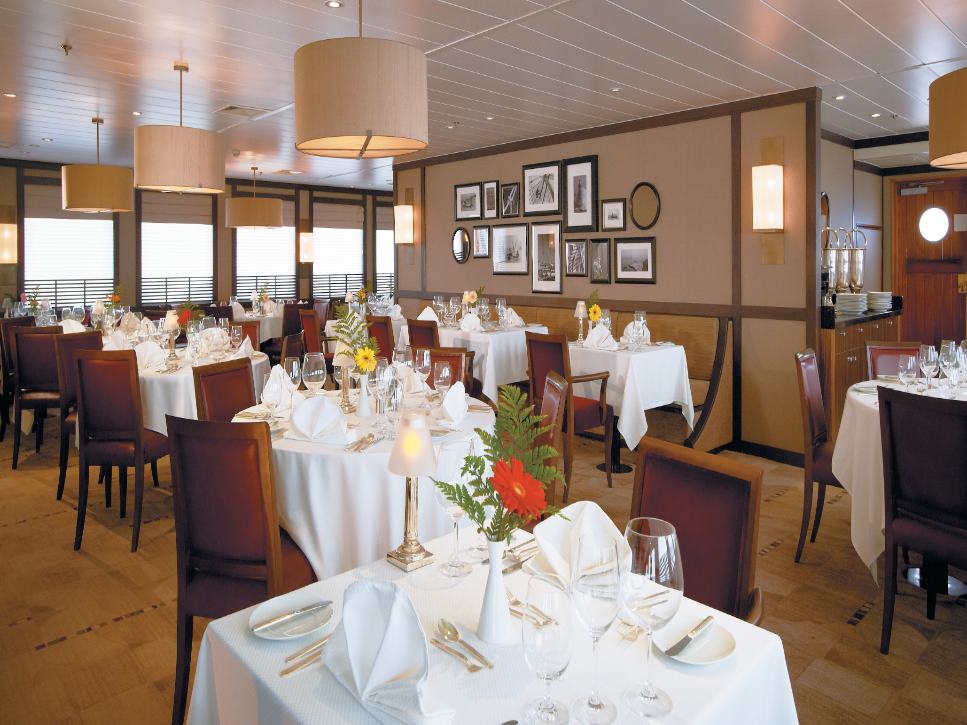
Stella Bistro
Treat your palate to the French-inspired café cuisine of Stella Bistro, Wind Surf’s alternative restaurant. You’ll find delightfully indulgent desserts and a wonderful array of wines specifically paired to the meal. (Wind Surf only)
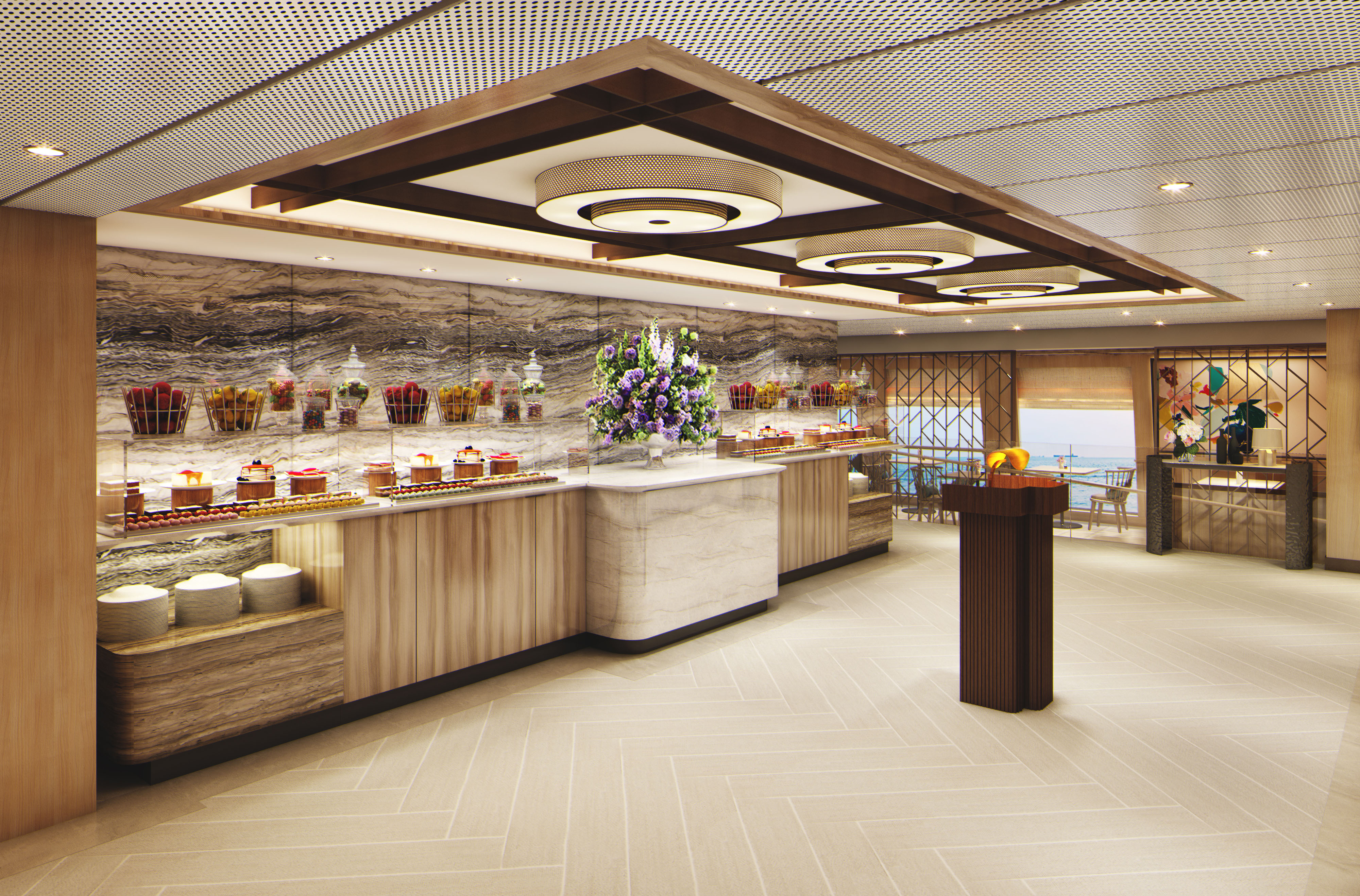
Veranda Restaurant
It’s breakfast alfresco, full service or buffet-style, anytime till 9:30 a.m. No need to hurry. Again, the choices are many in Veranda. Choose the sumptuous, seemingly endless buffet. Or, order from the lunch menu between noon and 2:30 p.m.
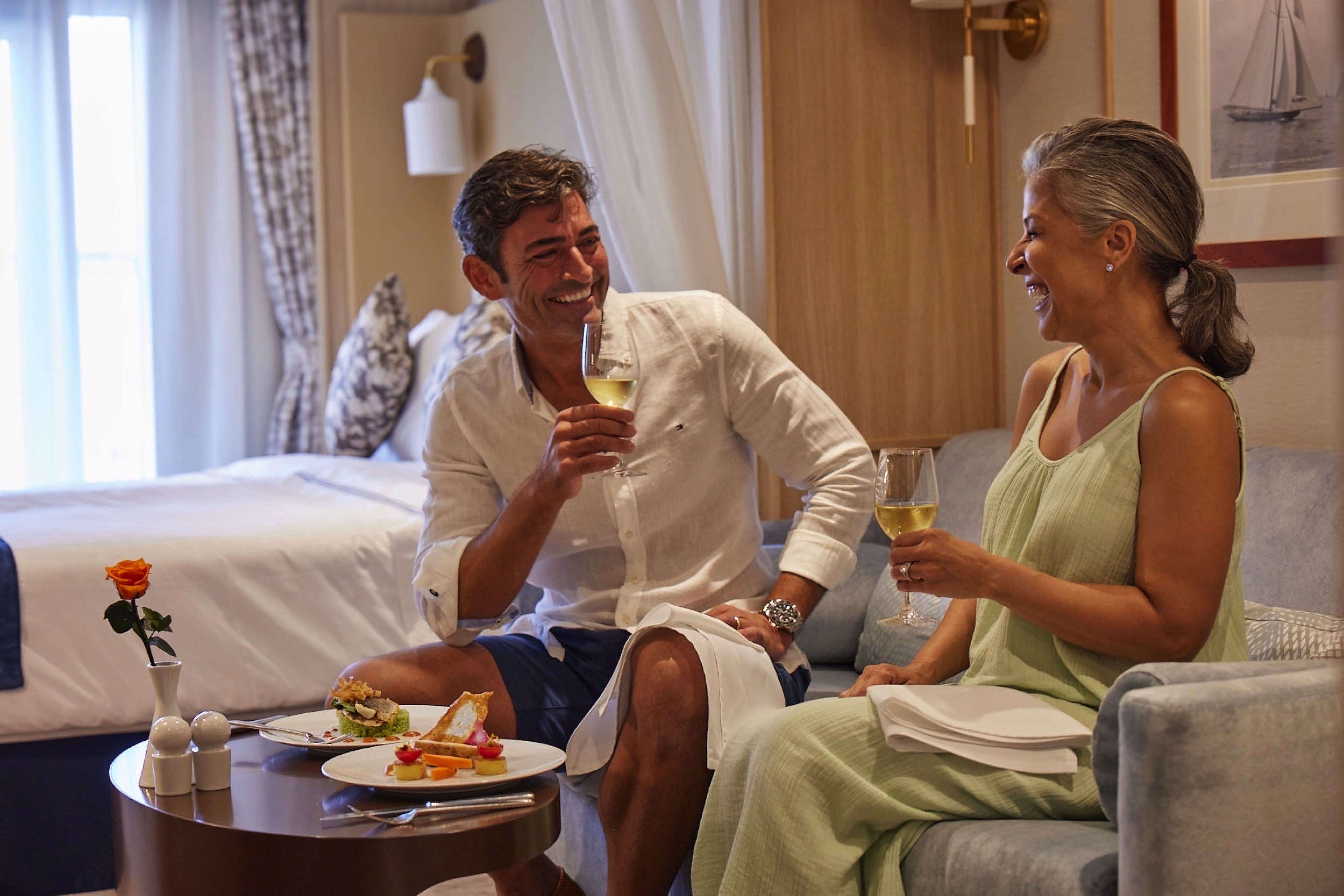
24-Hour Room Service
Stay in tonight and even order from the main Amphora dining menu.
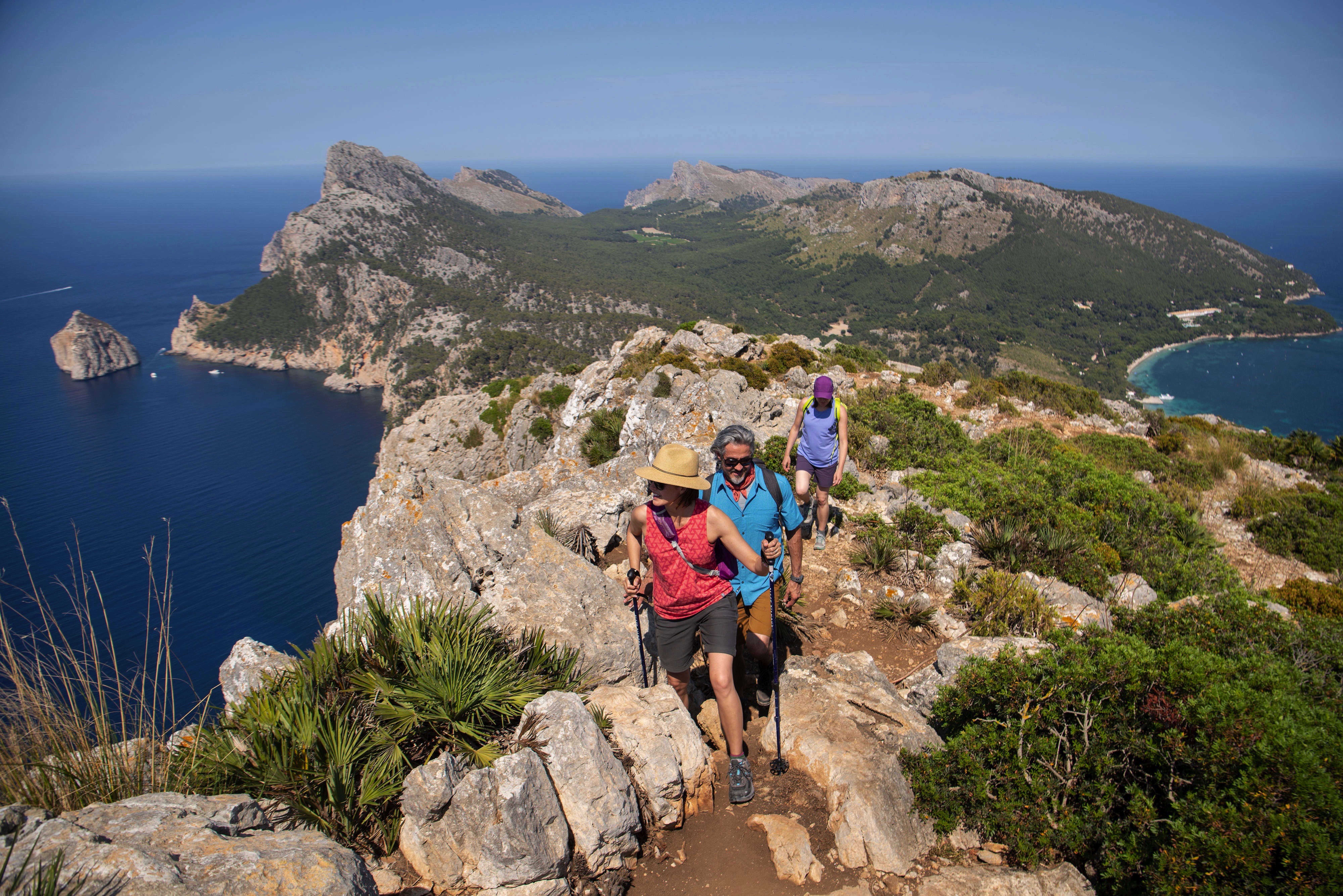
Shore Excursions
The Best on Land Brought to You by the Best at Sea
Get to the heart of local cultures with Windstar shore excursions.Choose from over 2,000 one-of-a-kind tours and activities.
You don’t want to just dip a toe in local culture, you want to dive into the deep end, and that’s exactly what Windstar shore excursions are designed to do. All of our excursions are created to provide authentic local experience — the kind travelers like you are looking for. And with more than 2,000 excursions to choose from, you can experience your destination in whatever way is most meaningful to you. Whether you’re an outdoor enthusiast, a foodie, a history buff or someone who loves to get to know the faces behind the many places we travel.
We make sure the hot springs are hot and the pinot grigio is chilled.How do we find these authentic experiences, you ask? Our Product Development Team travels to each destination and personally vet each shore excursion to make sure it makes the grade (So yes, the Open Course Canopy Challenge in Falmouth Harbour, Antigua? They went on that). And because we travel in small groups, we can adjust tours in real time based on guest feedback, whether that means finding a different place for lunch, or spending more time at a particularly fascinating historical site. We take the time and make the trip because we want your travels to be unforgettable.
Immersion in Regional Culture
Local guides share insight into their everyday world, as well as insider highlights that you don’t want to miss. As part of a smaller group, you’re able to bypass long lines, visit places off the beaten path, and get all of your questions personally answered.
Private Tours Available
Explore at your leisure with a private vehicle, driver and English-speaking guide. These exclusive tours allow you to customize your time ashore and explore the sites most interesting to you in the comfort and privacy of your own car or van. With your private vehicle, and the personalized attention of your driver and guide, you will have the flexibility and independence to design your own unique tour. This is a great option for families and groups traveling together.
Quality and Convenience
Every Windstar excursion meets our high standards of enjoyment, safety and professionalism. Tour departure times coincide with your ship’s schedule and depart right from the pier. All of our tour operators are fully insured, licensed and bonded. Our guests consistently rate their shore excursion experiences as excellent.

Watersports Platform
Jump in For Fun
A cruise to Tahiti, the Mediterranean or the Caribbean isn’t just about the land. It’s about the sea. That warm, turquoise water is more than willing to answer your question about what to do today, and the phenomenal Watersports Platform on the stern of your Windstar yacht is more than willing to provide the means — no beach required. It’s just one more way our yachts get you closer to your destination.
Complimentary Watersports Equipment and Activities Include*:
Snorkeling gear (a personal custom-fit set for your use throughout your Tahiti cruise and in select Caribbean and Central • America destinations)
Stand-up paddleboards
Kayaks
Foam flotation magic carpet
Water trampoline
Sailboat
*Available on select itineraries and ports of call. Selection on yachts may vary.

Guest Lectures
On select Windstar voyages, satisfy your curiosity and enhance your understanding of the local culture by listening to our onboard lecturers. We’ve curated a group of speakers designed to bring you an insider’s perspective on a multitude of intriguing topics. Listen raptly as your voyage becomes more than just a vacation – and a thought-provoking exploration of enchanting lands.
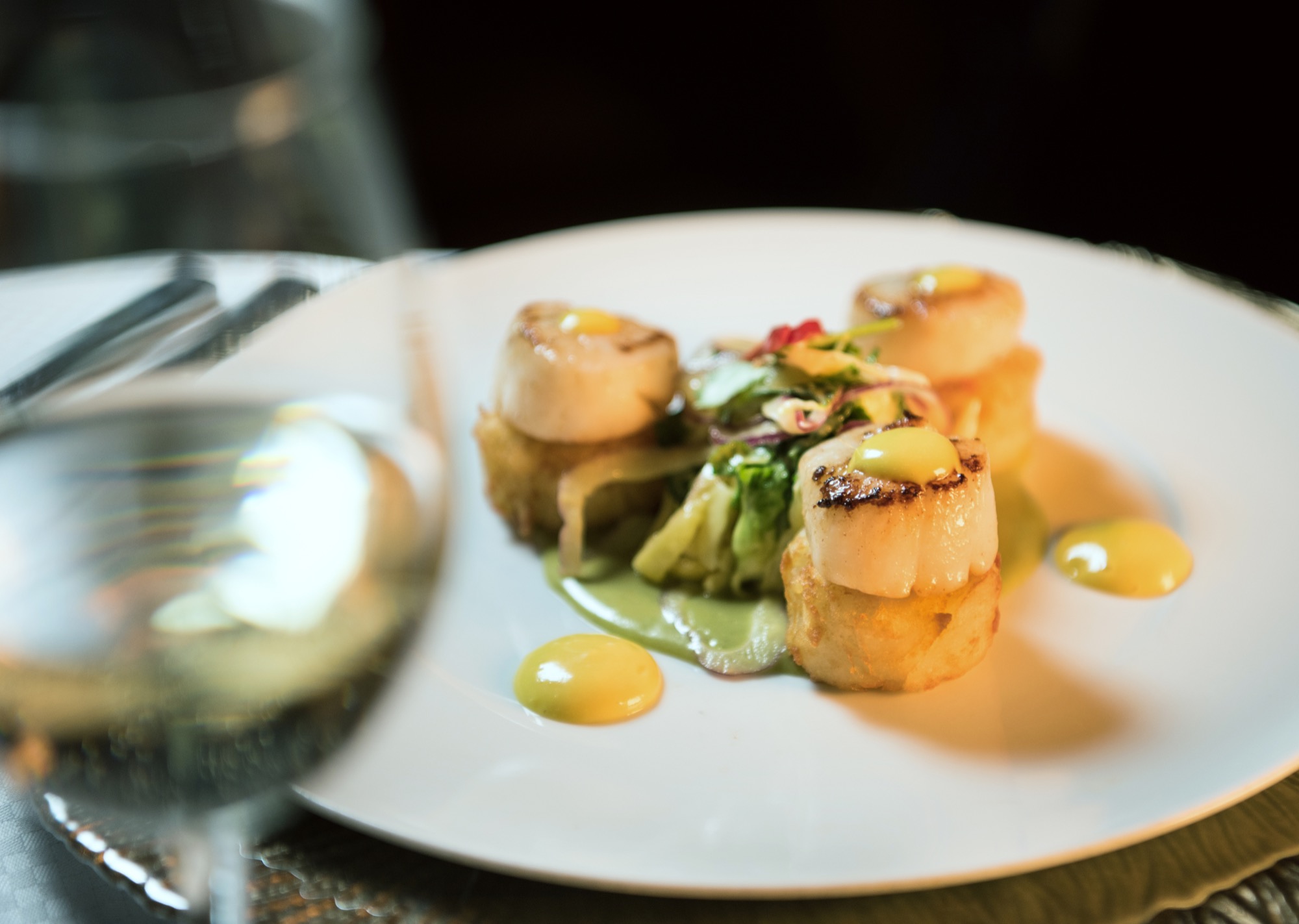
Culinary Demonstrations
“Set Sail with the Official Cruise Line of the James Beard Foundation “
It’s the perfect pairing. Windstar Cruises and the James Beard Foundation are partnered to bring you culinary experiences that are 180 degrees from ordinary. Through this program, Windstar works with the James Beard Foundation to bring together some of the most talented chefs on themed cruises and in our dining program.
Imagine dining on dishes created by not just one celebrity chef, but a list of all-stars with the likes of Maxime Bilet (The Cooking Lab), Evan Hanzcor (Egg), and José Mendín (Pubbelly Noodle Bar, Habitat, Baja Bao) every single night in our main Amphora dining room. For a truly beyond ordinary experience, join us on our themed cruises featuring James Beard Foundation chefs and beverage experts: a foodie’s dream with dishes created by the chefs themselves and chef-accompanied market tours. And learn their secrets as you watch demos of their recipes on every sailing.
The James Beard Foundation was created to recognize and celebrate the chefs, writers and restaurateurs who advance America’s culinary arts. This emphasis on innovation and excellence pairs perfectly with Windstar’s superior service, intimate ambiance and drive to constantly innovate its cuisine. The James Beard Foundation nominates and chooses winners of the James Beard Awards, referred to as the Oscars of the restaurant industry.
As the Official Cruise Line of the James Beard Foundation, we’re able to work with over 20 of the best chefs to create the extraordinary dishes on our nightly menu and in our culinary demos. Windstar is celebrating the 10th anniversary of our partnership in 2025. To mark this special occasion, we’re thrilled to announce the return of several beloved chefs who have sailed with us in the past.
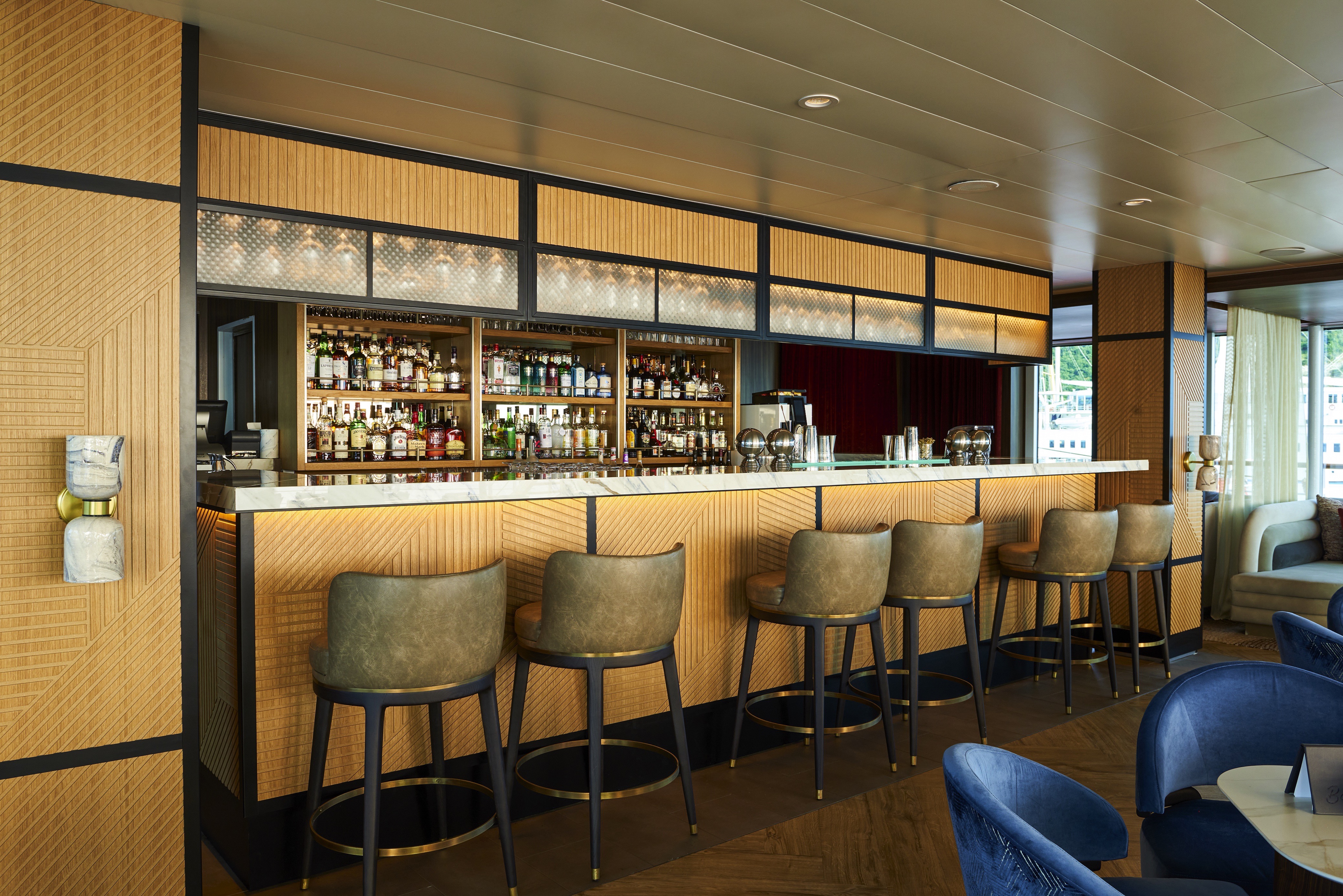
Compass Rose Bar
The ship’s Compass Rose features comfortable, modern décor with pops of blue and orange, a chic bar, and a new multi-purpose stage area ideal for live music and local performances.
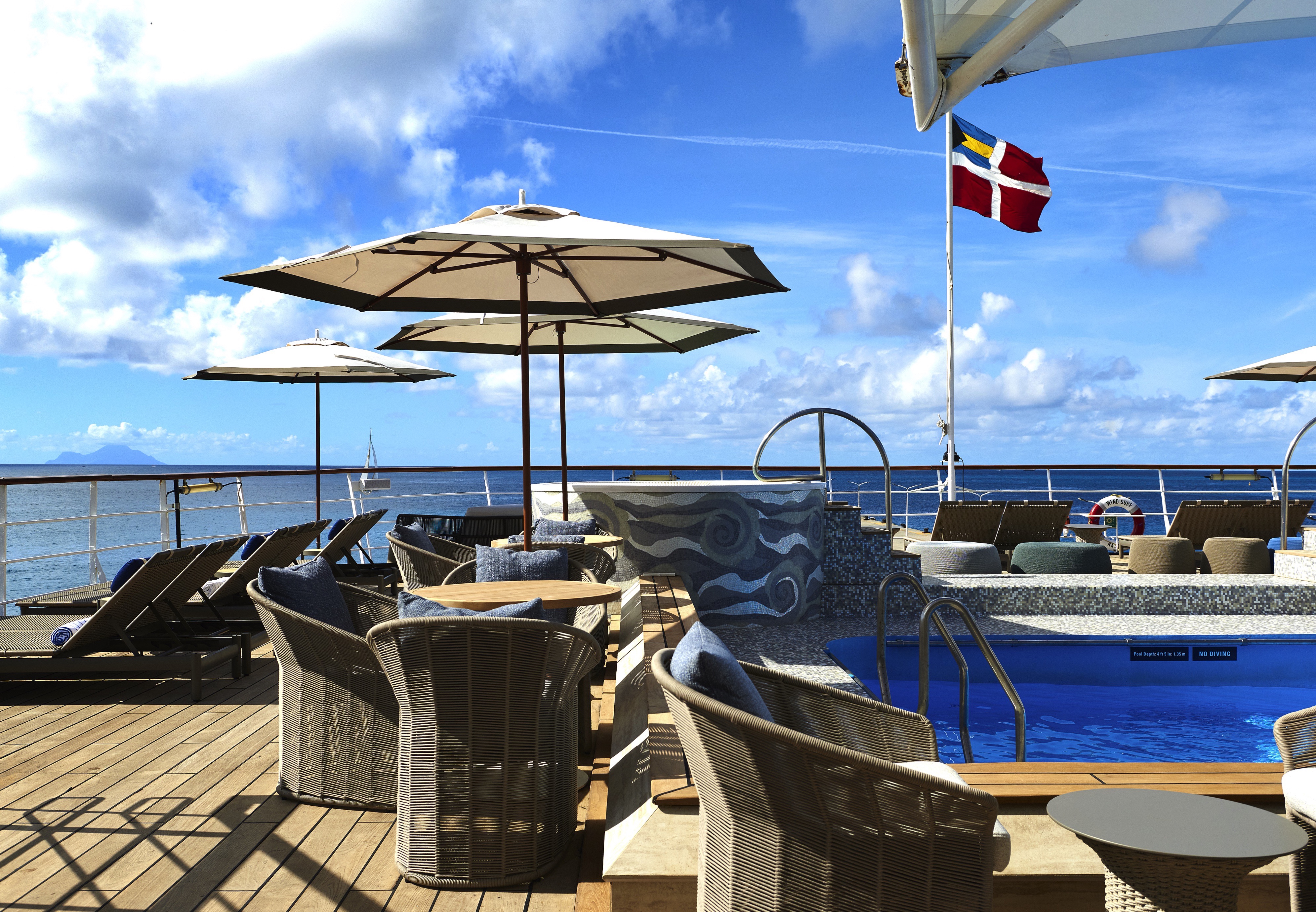
Pool Deck & Bar
This space will now maximise Wind Surf’s ocean views and create a more convivial vibe for poolside lounging and top-shelf mixology. Tropical scenes and greenery at the bar pull in a natural, outdoor atmosphere. Soothing natural colours convey a beach scene and new arty tiling on the two whirlpools take the form of ocean waves. Look for a variety of new outdoor furniture as well.

Star Boutique
A larger retail area with upscale details, reminiscent of a luxury brand store’s shopping experience.
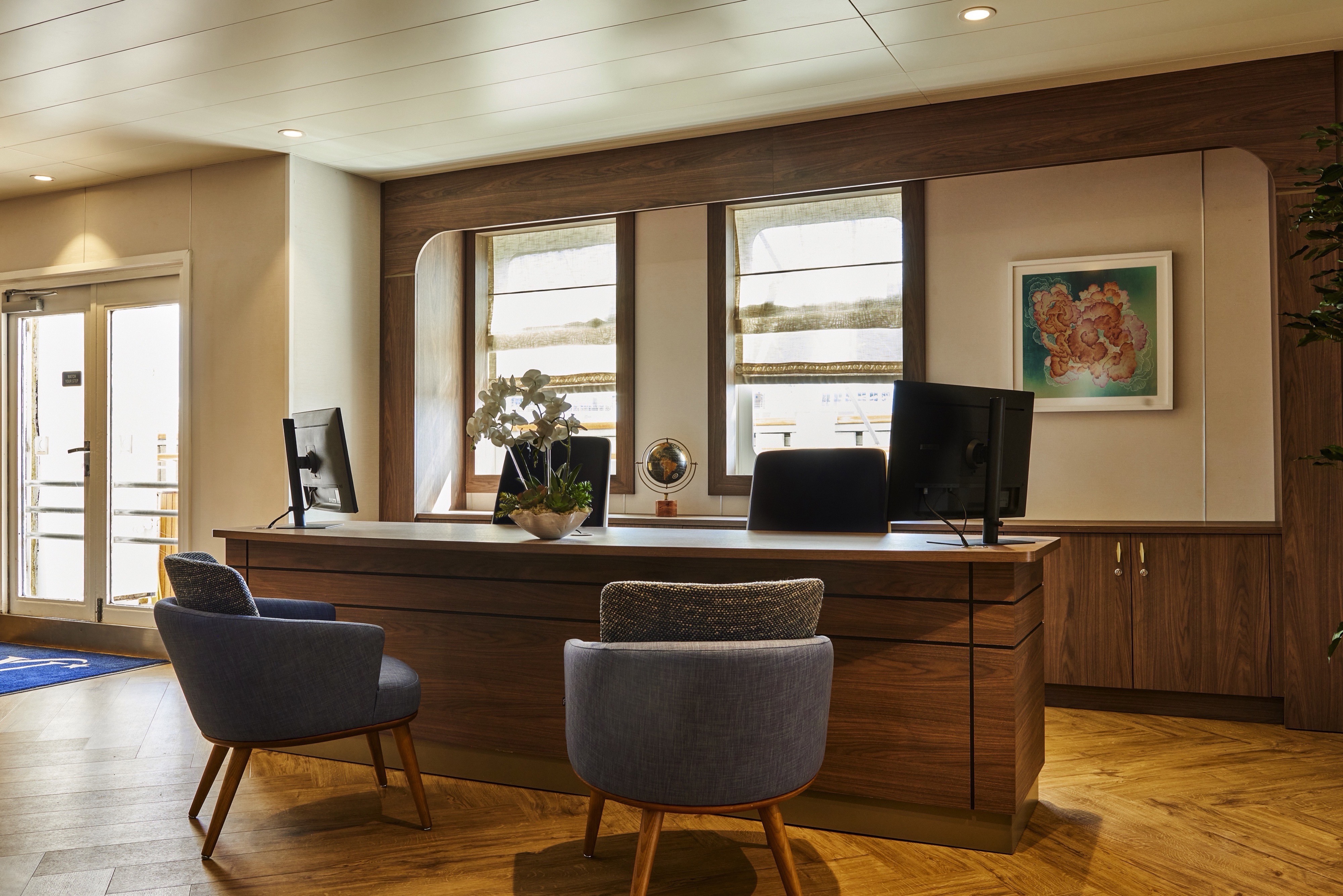
Reception
A new, more welcoming location that’s better able to serve guests with additional seating options, plus an updated and fresh (yet still nautical) vibe akin to a boutique hotel.
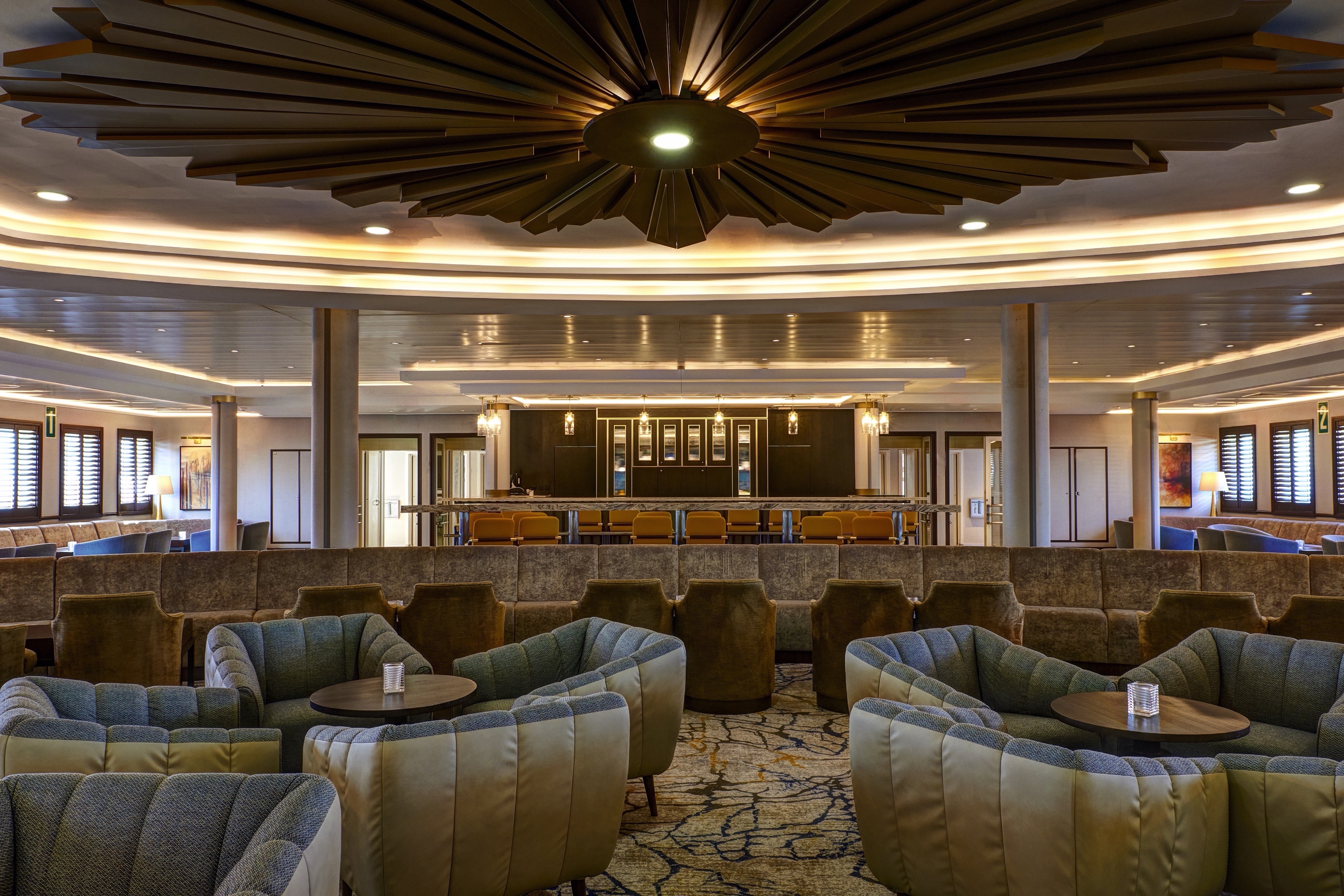
Lounge
An expanded lounge with new lights and sound for upcoming stage performances.

Yacht Club Café
The Yacht Club Café can be found on the Main Deck.

Wine Room
Located on the Main Deck
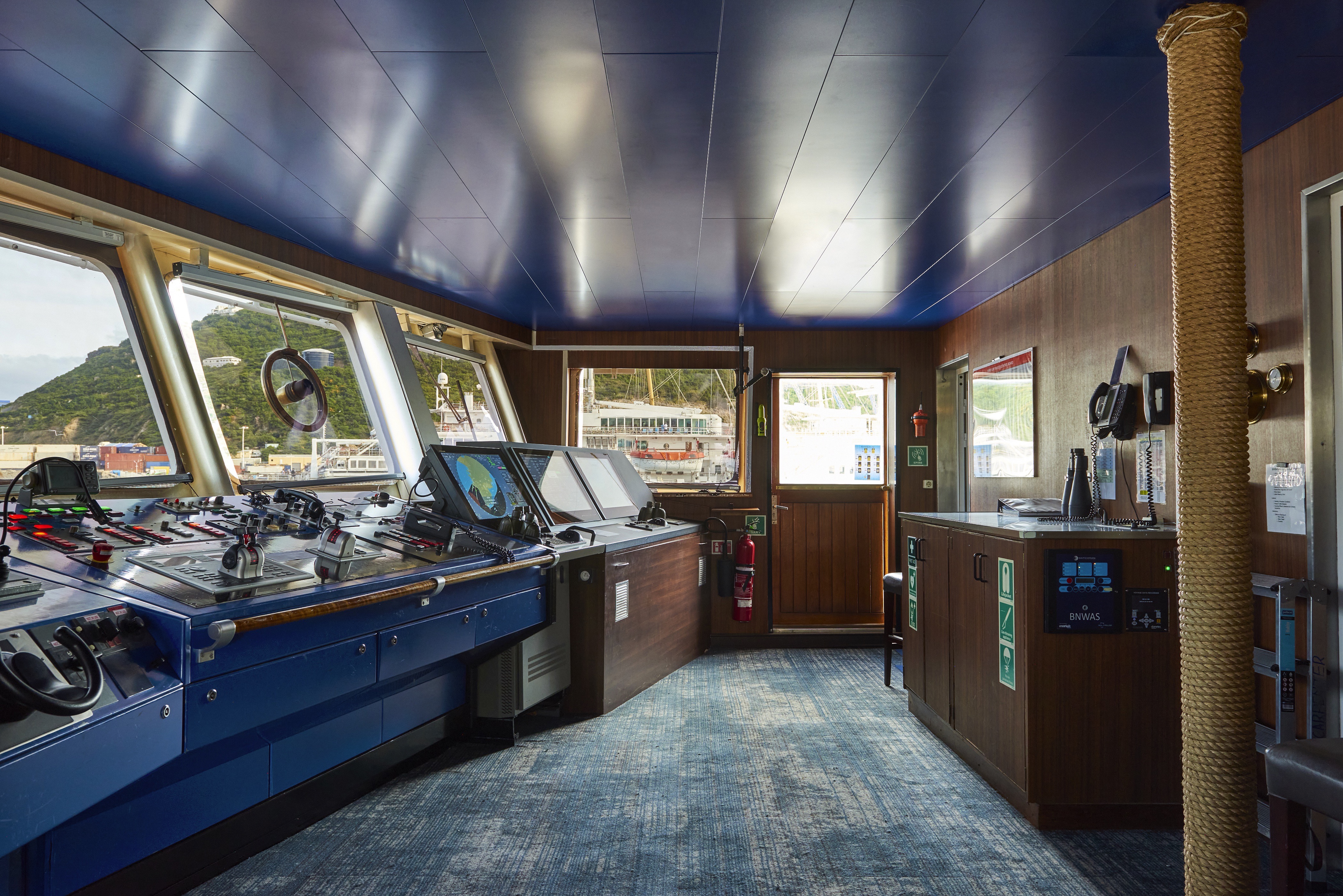
Bridge
Located on Bridge Deck
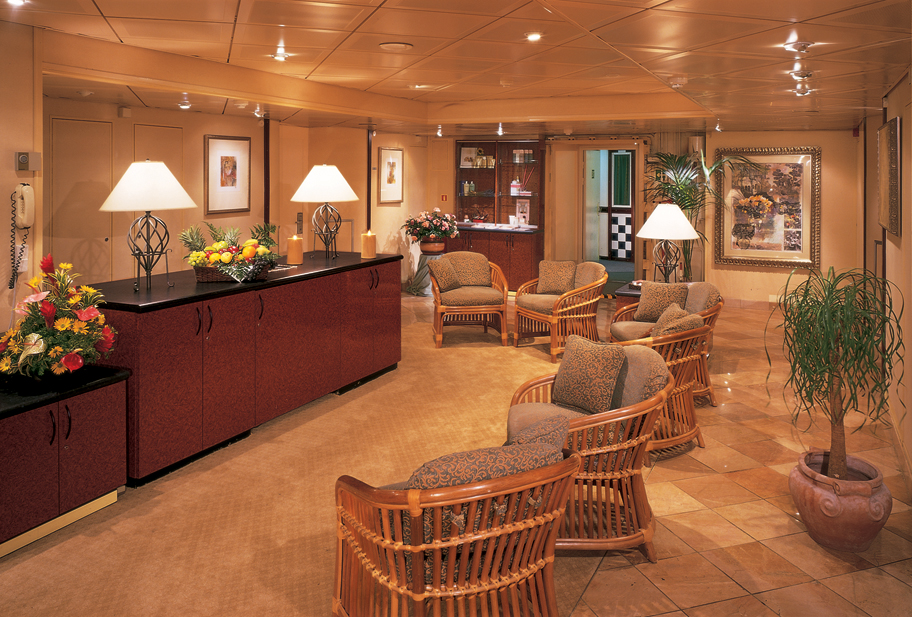
WindSpa
Relax into the destinations you’re visiting at the new World Spa by Windstar, which will offer regional spa treatments, including massage styles like Swedish, Japanese Shiatsu and Hawaiian Lomi Lomi.
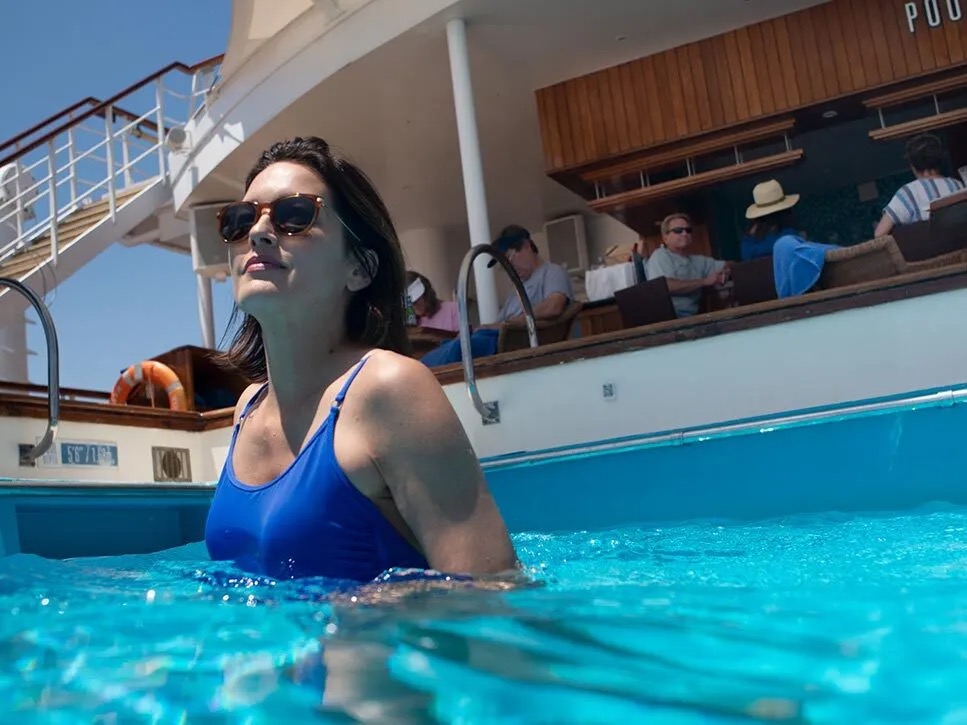
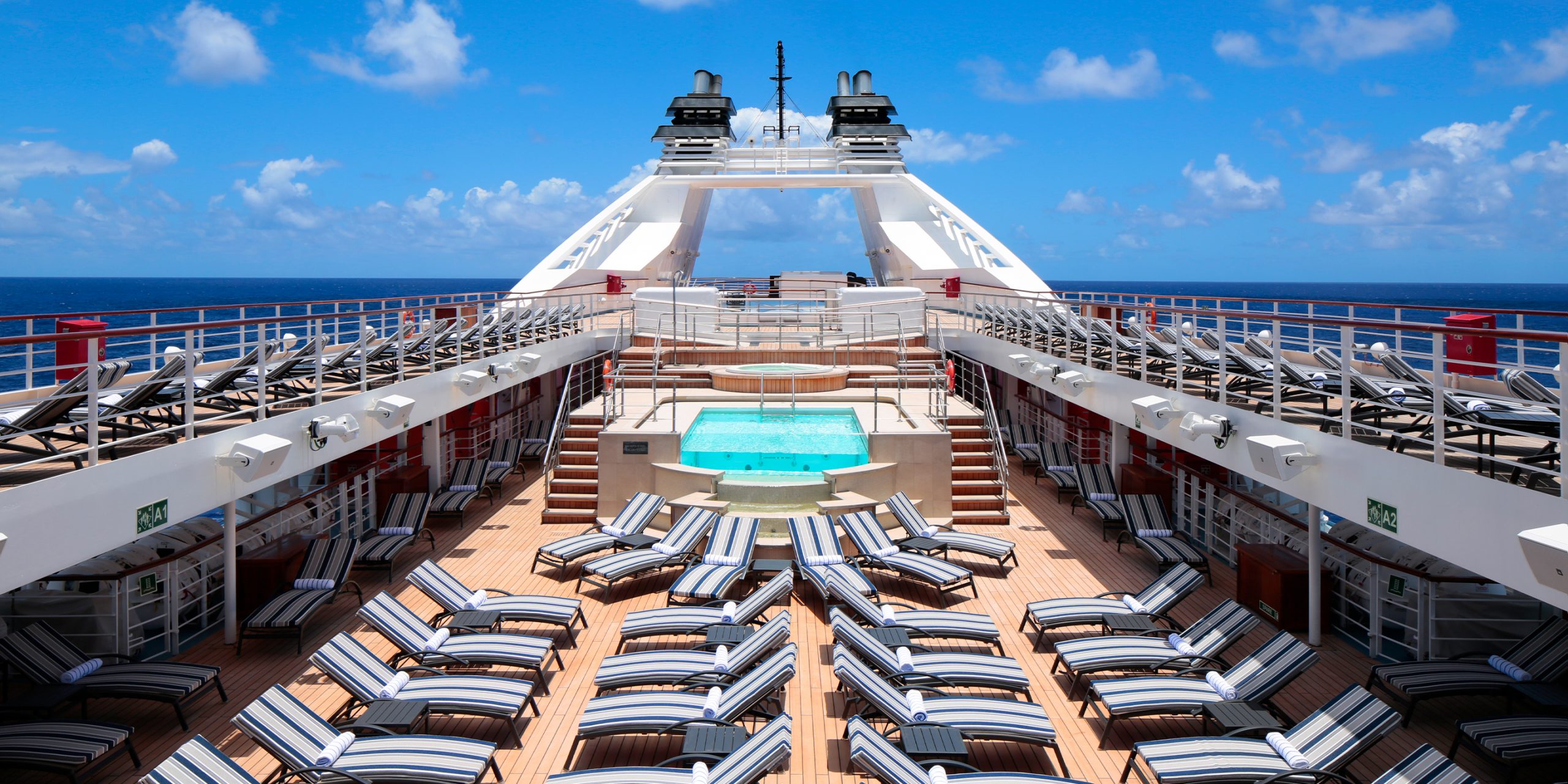
Pool Area
New breathtaking pool and whirlpool. Soak it all in with an elevated pool, and expanded deck for sunbathing and relaxing.
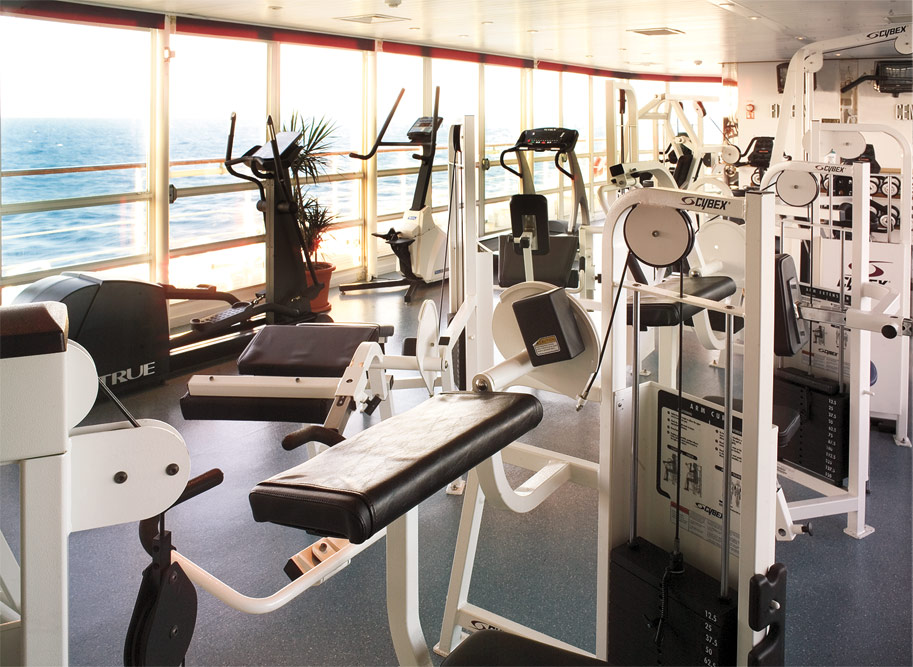
Fitness Centre
Work out in the well-equipped Fitness Center
Guests With Disabilities
Windstar does not discriminate against persons on the basis of disability. We seek, to the extent feasible, to accommodate the needs of persons with disabilities. There are no elevators on Wind Star and Wind Spirit nor were the ships originally constructed to be wheelchair accessible. As a result, these ships may be unsuitable for people relying solely on wheelchairs. The other yachts are equipped with elevators, but staterooms on Wind Surf are not wheelchair accessible. Also note, there is no elevator access to board the ship. Star Pride, Star Breeze, and Star Legend have modified wheelchair accessible suites available.
Certain ports require the ship to anchor; in this case guests must be ferried into port. Service Dogs are permitted onboard ships if prior arrangements have been made at time of booking. In limited situations where an individual with a disability would be unable to satisfy certain specified safety and other criteria, even when provided with appropriate auxiliary aids and services, we may find it necessary to ask the individual to make alternative travel arrangements. It is essential that Windstar is notified of any special medical, physical or other requirements you may have at the time of booking. For additional information, please contact accessdesk@windstarcruises.com
Age Restrictions
Windstar Cruises is unable to accommodate children under eight (8) years of age. All Guests under 21 years of age must be accompanied by a parent, guardian or chaperone who is at least 21 years old. Parents, guardians, and chaperones are responsible for overseeing the onboard conduct of minors. Alcoholic beverages will not be served to guests under age 21.
For family groups booking multiple staterooms, the minimum age for at least one person in each stateroom is 18 years of age, provided they are traveling with a parent, guardian or chaperone.
Packing Advice
The less you bring the better. We suggest clothes that are light, cool, and made of natural fabrics like cotton and silk. You may wish to bring warmer clothing (layers are best), if you are traveling on an Ocean Crossing or an autumn Mediterranean cruise.
The Dress Code – from 7 am – 6 pm guests are welcome to dress as they please with the exception of no swimwear in all public lounges and restaurants and no clothing with offensive language or graphics that distract from the comfort and well-being of others. The general shipboard style is elegant, but relaxed including jeans and Bermuda/ walking shorts.
In the evening – after 6 pm when dining in Amphora, Stella Bistro or Cuadro 44 by Anthony Sasso, the dress code is country club-type clothing. For men – nice slacks, polo shirts, button down shirts, shoes other than athletic shoes. Designer denim jeans without rips or holes or are multi-colored are also acceptable. Sport coats are optional. Ties are not needed. For women – nice pants, skirts, tops, casual dresses, sundresses, nice sandals or casual shoes and designer denim dress jeans not ripped or multi-colored or having holes. Blazers are optional.
No assigned seating in Amphora or Veranda restaurants. And what can be more casual than merely signing for onboard purchases? You will feel like this is your ship, your personal yacht. The environment inspires the attitude. Reservations are required for Candles and can be made on board.
For those guests traveling to Alaska, it’s important to wear the right gear. We have partnered with the leading expedition outfitter to offer an online Alaska clothing and accessories service that ships directly to your ship. You’ll find all the right gear for Alaska, packing lists, clothing tips and our limited-edition Alaska inaugural season jacket here..
Premium Beverage Package
While non-alcoholic beverages are complimentary, you may enjoy a pre-dinner cocktail under the setting sun or a champagne toast at the evening Sail Away with our beverage packages for wine, beer, cocktails and more. Zero-proof cocktails are also included with our Captain’s Exclusive and All-In packages. Find the perfect wine pairing with your meal and then end the night sipping scotch as you contemplate the stars.
Captain’s Exclusive Beverage Package — $79 per person per day.
The ultimate beverage package and the perfect way to try new drinks for a bit of added adventure. Includes all domestic and imported beers and 33 varieties of wine/sparkling/champagne by the glass PLUS cordials, liqueurs, apertifs, cocktails, and even mini bar items. (Cocktails based on house & select brands)
The All-In Package — From $99 per person per day.
Have it all by making it an all-inclusive voyage with Wi-Fi, unlimited select beer, wine & cocktails, and gratuities, including the 18% beverage service charge. A convenient bundle that saves time and money, pays most of your expenses upfront and avoids the European VA Tax when pre-purchased. The All-In Package is sold per person and must be purchased up to 5 days prior to departure at $99. On board the All-In Package can be purchased for $109.
The Captain’s Exclusive and All-In Packages are sold per person and must be purchased in advance or during the first 2 days of your cruise and for the full duration of the cruise. The minimum drinking age aboard Windstar Cruises is 21 years old.
Laundry Service
Laundry service is provided on board at a nominal charge. Dry cleaning is not available. Laundry Service Packages must be added by the first day of the cruise and will be priced by the total number of cruise days. Pricing is inclusive of applicable taxes.
Your Windstar Voyage Includes
- All meals in all venues at all times, including room service menu available 24 hours
- All non-alcoholic beverages, including cappuccino, espresso, and other specialty non-alcoholic drinks
- Welcome cocktails at reception
- All onboard entertainment
- Unlimited use of Fitness Center
- Unlimited use of all water sports equipment
- Informative nightly port talks and destination briefings
Food Allergies and Special Dietary Needs
Here at Windstar we are committed to offering our guests healthy food selections. We offer vegetarian selections and lighter fare options, seeking to provide the freshest, top quality foods handled with the utmost care. If you have food allergies or special dietary needs, there are several ways to notify us prior to boarding the ship.
It’s important to let us know about your special request when you book your cruise to help us plan and prepare for your meals. Your travel professional will enter this information in Special Requests. It is then noted on your booking and your ship will be notified, although it will not appear on your invoice or in My Windstar.
Special Request Dietary Needs include:
• Alcohol Free
• Celiac
• Dairy Free
• Diabetic – Diet Controlled
• Diabetic – Insulin Controlled
• Food Allergy
• Gluten Free
• Lactose Intolerant
• Low Carbohydrate
• Low Cholesterol
• Low Protein
• Low Sodium
• Other Dietary
• Sugar Free
• Vegan
• Vegetarian
• Wheat Free Diet
Unfortunately we are unable to accommodate Kosher or Halal meals. If you have specific dietary needs, such as lactose intolerant requiring almond milk, please complete a Special Requirements Information Form. Return this information via:
1. Mail to Windstar Vacation Planning at 8400 NW 36th St. Suite 520, Miami, FL U.S.A. 33166
2. Fax to 786-685-3089
3. Call +1 855-650-9058 to speak with a Vacation Planner in person
When you embark the ship please feel free to ask to speak with the Executive Chef about your specific request.
If you have any additional questions or concerns please call us during business hours at +1 855-650-9058.
Smoking Policy
Smoking or vaping is not permitted in any of the staterooms, suites, or public spaces, including all restaurants and corridors. Smoking and vaping is permitted on the outside decks in designated smoking areas only. Smoking cigars is permitted in a specific designated area on each yacht, however, only sold on board the Cigar Room of Wind Surf.
Internet Access & Usage
As part of our onboard service we offer internet access on our ships. We recently modified our internet usage packages from minutes to the amount of data used.
How does internet access at home differ from access at sea?
As with all ship communications, the internet service is operated through satellites. While you are most likely used to a fast internet connection at home, in hotels or other local Wi-Fi spots, internet at sea can be slow, and at times, disruptive. The only option available is satellite connection, which is costly and limits the amount of data used. The connection is also influenced by weather, the movement of the ship, and in the case of our sailing ships, blockage from our sails passing in front of the satellite dish.
It is not recommended for downloading movies or large files due to system speed. In some areas the service can be interrupted by weather or the ship’s position. We recommend that guests use the service only for emails or small files.
Why did the Internet Usage Plan change from minutes to megabytes?
Windstar modified the Internet Usage Plan in order to provide guests with the ability to access the same number of sites and/or read the same number of emails, regardless of connection speed. The previous plan was based on the number of minutes the guest was accessing the internet, regardless of connection speed. At times, factors like bad weather, ship speed, overcast conditions, all contributed to slow and/or disrupted connections.
What is a megabyte (MB)?
Any file, whether it’s a spreadsheet, word document, or email, takes up electronic storage space, otherwise known as bytes. The larger the file, the greater the number of bytes. The standard increment of measurement is bytes, kilobytes (1000 bytes), megabytes (1,000,000 bytes) and gigabytes (1,000,000,000, bytes).
As a frame of reference, an 80-word email is around 10 kilobytes, while a typical web page is approximately 1 megabyte.
Unlimited Internet Package
-7 Day Cost $245
-8 Day Cost $280
-9 Day Cost $315
-10 Day Cost $350
-11 Day Cost $385
-14 Day Cost $490
-15 Day Cost $525
This plan gives you unlimited internet access. You have no worries about how much time you spend on the internet.
How can I get internet access on board?
Guests can purchase Internet Usage Plans prior to their cruise through a Vacation Planner or on board at Reception. These plans can be used on personal laptops or smart devises that are Wi-Fi enabled.
* Please Note: All packages allow for two devices at a time to be connected to the internet.
Please contact a Vacation Planner if you have questions.
Medical Facilities, Infants, and Pregnancy Policy
A doctor and limited medical facilities are available on board. However, if you take special medications, please bring an adequate supply with you together with a copy of the prescription from your doctor; it may not be available on board. Medical services and all medicines (except acetaminophen, aspirin, and seasickness pills) dispensed by the ship’s doctor will be charged to your onboard account. If you become ill during the voyage and the physician is unable to care for your needs on board, you will be transferred to medical facilities on shore. Shoreside medical care and/or evacuation are not charged to your onboard account. You will be responsible for paying all of these charges.
If you will require a special medical apparatus or assistance on board or have any special medical, physical or other requirements, please contact our Vacation Planners Department at +1 855-650-9058. Due to limited medical facilities, we will not accept reservations for children under 8 years of age or women who are 24 or more weeks pregnant at the time their travel with Windstar concludes.
Hotel Service Charge
Our crew works very hard to make sure that every aspect of your cruise meets the highest standards. This includes those crew members who serve you directly, such as wait staff, beverage servers, and the stewards who service your stateroom or suite each day. There are also many others who support their efforts whom you may never meet, such as galley and laundry staff. To ensure that the efforts of all of our crew members are recognized and rewarded, a Hotel Service Charge of $16 per passenger per day is automatically added to each guest’s onboard account. If our service exceeds or fails to meet your expectations, you are free to adjust this amount at the end of the cruise. In addition, a 18% Beverage Service Charge is automatically added to bar charges and dining room wine purchases. These charges are paid entirely to Windstar crew members, and represent an important part of their compensation.
Please note: Promotional Onboard Credit cannot be applied towards the Hotel Service Charge.
Cell Phone Service
Many wireless carriers are now offering affordable, convenient and accessible cruise plans, so you can receive calls and texts from your mobile number anywhere on the yacht while at sea where your shore service is not available. Once the yacht reaches 12 nautical miles from land (about an hour after departure from the pier) Cellular at Sea service is available and your phone will say “Cellular at Sea” or “901” to indicate service is on. In addition to cruise plans, pay-per-minute, text or data sessions are also available. Cellular at Sea data speeds support web browsing, social media / chat apps and checking e-mail. Actual data speed can vary depending on which network technology (3G or 4G LTE) your wireless carrier supports, the network onboard the vessel and satellite connectivity. Due to the speed of transmission, video streaming is not an option. This service needs to be added prior to boarding the yacht. Please contact your wireless carrier for your specific rates.
In order to maintain Windstar’s atmosphere of casual elegance and intimate retreat, we ask guests to consider the following cell phone courtesy guidelines.
Cell phone service is intended primarily for guests’ use in the privacy of their own stateroom or suite. Talking on cell phones is discouraged in public areas such as dining areas or lounges and guests are asked to set their phone’s ringer on vibrate when in public areas.

Star Deck
- Stella Bistro (1)
- Veranda/Candles (2)
- Fitness Centre (3)
- Terrace Bar (4)

Bridge Deck
- Bridge (5)
- World Spa by Windstar (6)
- Compass Rose Bar (7)
- Owner’s Suite
- Broadmoor Suite
- Sea Island Suite

Main Deck
- Amphora Restaurant (8)
- Amphora Wine Room (9)
- Lounge (10)
- Reception (11)
- Yacht Club Café (12)
- Cruise Consultant Desk (13)
- Destination Desk (14)
- Star Boutique (15)
- Pool / Pool Bar / Whirlpools (16)

Deck Three
- Suites
- TX Staterooms

Deck Two
- Marina (17)
- A Staterooms
- AX Staterooms

Deck One
- BX Staterooms
- B Staterooms
- Medical Facility