Itinerary
Day programme:
Welcome to vibrant Vietnam, a world of colour, culture and extraordinary food. Today is yours to settle in at your leisure, adjusting to the rhythms of this compelling city before your journey begins in earnest.Check in to your two-night Scenic Special Stay at the iconic Sofitel Legend Metropole, Hanoi’s most celebrated address. This beautifully preserved colonial grand dame has welcomed dignitaries and travellers since 1901, and its refined amenities and attentive service set the tone for the days ahead.
Day programme:
A full day to explore this nostalgic city, beginning with your first Scenic Freechoice.Scenic Freechoice: Visit the Imperial Citadel of Thang Long and Hoa Lo Prison, a journey through the nation’s past across two very different chapters of history.Alternatively, spend the morning at Ho Chi Minh’s Mausoleum and the Temple of Literature, founded in 1070, then discover the charm of the Old Quarter over a celebrated egg coffee.Those wanting a deeper cultural immersion can head to the ancient village of Bat Trang, a community devoted to traditional porcelain and pottery, where a local elder shares the spiritual beliefs of his community before a hands-on lunch of Bánh Cuon rice pancakes.Scenic EnrichThis evening, a green electric car winds through the Old Quarter to your Scenic Enrich: a VIP performance of Hanoi’s world-famous water puppet theatre, with a special backstage pass to follow.
Day programme:
After breakfast and checkout, the journey heads northeast through the fertile farmlands of the Red River Delta toward Halong Bay. Board the luxury Bhaya Soul for a two-night cruise among the iconic limestone karsts of this World Heritage-listed seascape, reaching areas of the bay that remain well beyond the reach of day cruises.
A visit to the north is not complete without a trip to Halong Bay, where placid waters give way to more than 3,000 limestone karsts and wind-sculpted limestone formations that jut from foggy lagoons. Dotting the bay are tiny islands bordered by white sandy coves and hidden caves, adding to the majestic landscape of this UNESCO World Heritage Site. Adding to this naturalist’s dream is the biodiversity of islets, grottos, and Cat Ba Island National Park. The bay, however, shows tourism’s impact: the clearing of mangrove forests to make way for jetties and piers, marine life threatened by game fishing, and garbage from passenger boats and fishing villages washed up on the shores.Beyond its geological uniqueness are activities like hiking, kayaking, rock climbing, or exploring one of the many floating villages where fishermen bring in their daily catch. The downside to all this allure is the large number of unlicensed boats it draws to the bay each day.Boat trips out onto the bay are the main tourism stock in trade farther north, but a more multifaceted side of the area can be experienced at Cat Ba Island. The largest island in Halong Bay, Cat Ba is very much its own entity. Its national park offers incredible biodiversity, with more than a thousand species of plants having been recorded here. Animal life is slightly thinner on the ground, but alert visitors may spy inhabitants such as the endangered golden-headed langur, wild boar, deer, civets, and several species of squirrel. Trekking through the wilderness is a highlight with a number of fascinating trails to follow.Cat Ba Island has also become a firm favorite with the adventure sports set. Indeed, along with Railay Beach in Thailand, it is recognized as one of the top spots in the region for rock climbing. Other outdoor pursuits include sailing and kayaking around the karsts. Although Halong Bay has arguably been tainted by over-exposure, Bai Tu Long Bay farther east toward China, retains all the majesty of Vietnam’s premier bucket-list natural attraction but sees a fraction of the traffic of its immediate neighbor to the west. Here, visitors will find islands of substantial size with deserted beaches and untamed jungle. Halong Bay’s 3,000 islands of dolomite and limestone cover a 1,500-square-km (580-square-mile) area, extending across the Gulf of Tonkin nearly to the Chinese border. According to legend, this breathtaking land- and seascape was formed by a giant dragon that came barreling out of the mountains toward the ocean—hence the name (Halong translates into “descent of the dragon”). Geologists are more likely to attribute the formations to sedimentary limestone that formed here between 300 and 500 million years ago, in the Paleozoic Era. Over millions of years water receded and exposed the limestone to wind, rain, and tidal erosion.Today the limestone formations are exposed to hordes of tourists—but don’t let that discourage you. Hundreds of fishing trawlers and tour boats share space on these crystal waters, yet there seems to be room for everyone. Most people use the main population center, Halong City, as a base from which to venture into the bay. Although it’s now officially one municipality, Halong City was, until 1996, two separate towns: Bai Chay is now Halong City West, where Halong Road winds its way around the coast and past the lifeless central beach; Hon Gai is the grimier Halong City East, where a coal transportation depot dominates the center of town and covers nearby roads and buildings with a sooty film. Locals still refer to the towns by their old names, but they are now inexorably lassoed together by a bridge. Boat trips through Halong Bay are the main attraction. Little of the majesty of this region can be found in the city, so head out onto the water and start exploring. Countless 10- and 30-foot fishing boats have been converted into Halong Bay’s formidable tourist-boat fleet. Hotels or travel agencies in Halong City or Hanoi can arrange boat trips for you (often they are part of organized tours from Hanoi). It is still possible to go down to the wharf and bargain yourself onto a boat for the day, but you are likely to be charged (sometimes significantly) more than you would pay for a prebooked tour, so this is not advised. Self-sufficient travelers have fallen victim to the old bait-and-switch: they’ve arranged a next-day boat tour with local fishermen, only to be told in no uncertain terms the following morning that they could not board their chosen boat, but they could take a different one for quite a bit more money. You may have no choice in the end. Usually travel agencies, however, have their tried-and-true favorites.
Day programme:
A Tai Chi lesson on the Sun Deck opens the morning as the ship sails deeper into the national park. Take to a kayak and paddle through a limestone cave system before a bike ride on Cat Ba Island, a landscape of dense jungle and quiet shoreline largely untouched by development.In the afternoon, gather on deck for an exclusive Scenic Sundowners wine tasting at anchor, set against the silhouette of the karst islands at sunset. After dinner, round out the evening with the local tradition of squid fishing from the deck.
A visit to the north is not complete without a trip to Halong Bay, where placid waters give way to more than 3,000 limestone karsts and wind-sculpted limestone formations that jut from foggy lagoons. Dotting the bay are tiny islands bordered by white sandy coves and hidden caves, adding to the majestic landscape of this UNESCO World Heritage Site. Adding to this naturalist’s dream is the biodiversity of islets, grottos, and Cat Ba Island National Park. The bay, however, shows tourism’s impact: the clearing of mangrove forests to make way for jetties and piers, marine life threatened by game fishing, and garbage from passenger boats and fishing villages washed up on the shores.Beyond its geological uniqueness are activities like hiking, kayaking, rock climbing, or exploring one of the many floating villages where fishermen bring in their daily catch. The downside to all this allure is the large number of unlicensed boats it draws to the bay each day.Boat trips out onto the bay are the main tourism stock in trade farther north, but a more multifaceted side of the area can be experienced at Cat Ba Island. The largest island in Halong Bay, Cat Ba is very much its own entity. Its national park offers incredible biodiversity, with more than a thousand species of plants having been recorded here. Animal life is slightly thinner on the ground, but alert visitors may spy inhabitants such as the endangered golden-headed langur, wild boar, deer, civets, and several species of squirrel. Trekking through the wilderness is a highlight with a number of fascinating trails to follow.Cat Ba Island has also become a firm favorite with the adventure sports set. Indeed, along with Railay Beach in Thailand, it is recognized as one of the top spots in the region for rock climbing. Other outdoor pursuits include sailing and kayaking around the karsts. Although Halong Bay has arguably been tainted by over-exposure, Bai Tu Long Bay farther east toward China, retains all the majesty of Vietnam’s premier bucket-list natural attraction but sees a fraction of the traffic of its immediate neighbor to the west. Here, visitors will find islands of substantial size with deserted beaches and untamed jungle. Halong Bay’s 3,000 islands of dolomite and limestone cover a 1,500-square-km (580-square-mile) area, extending across the Gulf of Tonkin nearly to the Chinese border. According to legend, this breathtaking land- and seascape was formed by a giant dragon that came barreling out of the mountains toward the ocean—hence the name (Halong translates into “descent of the dragon”). Geologists are more likely to attribute the formations to sedimentary limestone that formed here between 300 and 500 million years ago, in the Paleozoic Era. Over millions of years water receded and exposed the limestone to wind, rain, and tidal erosion.Today the limestone formations are exposed to hordes of tourists—but don’t let that discourage you. Hundreds of fishing trawlers and tour boats share space on these crystal waters, yet there seems to be room for everyone. Most people use the main population center, Halong City, as a base from which to venture into the bay. Although it’s now officially one municipality, Halong City was, until 1996, two separate towns: Bai Chay is now Halong City West, where Halong Road winds its way around the coast and past the lifeless central beach; Hon Gai is the grimier Halong City East, where a coal transportation depot dominates the center of town and covers nearby roads and buildings with a sooty film. Locals still refer to the towns by their old names, but they are now inexorably lassoed together by a bridge. Boat trips through Halong Bay are the main attraction. Little of the majesty of this region can be found in the city, so head out onto the water and start exploring. Countless 10- and 30-foot fishing boats have been converted into Halong Bay’s formidable tourist-boat fleet. Hotels or travel agencies in Halong City or Hanoi can arrange boat trips for you (often they are part of organized tours from Hanoi). It is still possible to go down to the wharf and bargain yourself onto a boat for the day, but you are likely to be charged (sometimes significantly) more than you would pay for a prebooked tour, so this is not advised. Self-sufficient travelers have fallen victim to the old bait-and-switch: they’ve arranged a next-day boat tour with local fishermen, only to be told in no uncertain terms the following morning that they could not board their chosen boat, but they could take a different one for quite a bit more money. You may have no choice in the end. Usually travel agencies, however, have their tried-and-true favorites.
Day programme:
A leisurely morning cruise back to harbour before returning to Hanoi and a second night at the Sofitel Legend Metropole. Take part in a fascinating historical bunker tour beneath the hotel, a rarely seen chapter in the story of a city with more than 1,000 years of history.Scenic Freechoice Dining: This evening, Scenic Freechoice dining offers a French-inspired dinner at the Metropole’s own Angelina Restaurant, a home-cooked meal shared with a local Hanoian family, or a Vespa foodie tour through the lantern-lit streets of the Old Quarter with complimentary drinks throughout.
Day programme:
Fly south to Danang and continue past the Marble Mountains to the ancient trading town of Hoi An, where three nights await at the Moire Hoi An, Vignette Collection by IHG, within easy walking distance of the old town markets.Scenic Freechoice Dining: Tonight, Scenic Freechoice dining sets the tone: Vietnamese street food at Morning Glory Signature Restaurant, the warmly lit Mango Mango in the heart of the Ancient Town, or The Field, where tables are set among rice paddies and the cuisine blends Vietnamese tradition with a contemporary hand.
Day programme:
A walking tour of the World Heritage-listed Old Quarter visits the Japanese Covered Bridge and central market, followed by lunch featuring the town’s signature dishes: Cao Lau, Com Gà and Bánh Mì.The afternoon is yours – a 60-minute spa treatment (included for every guest), the hotel pool or the tailors’ quarter the town has been renowned for since the 16th century.Scenic Sunset DrinksScenic Sundowners at Ember & Sip Bar with included beer and wine ease the day toward evening.
Day programme:
This morning choose from a range of Scenic Freechoice activities.Scenic Freechoice: Head to the ancient Cham ruins of My Son for a glimpse into the majesty of the Champa Kingdom, including a local lunch. Alternatively, a bicycle ride to a fishing village leads to a bamboo basket boat experience and a sampan return through the water palms. Those drawn to community may choose a lantern-making class with the Reaching Out NGO at a historic merchant house, or a Vietnamese cooking class at Red Bridge Cooking School on the banks of the Thu Bon River.The afternoon is yours to spend as you please.
Day programme:
Travel via the breathtaking Hai Van Pass to Hue, the former imperial capital. A vegetarian lunch at Tinh Tam Restaurant at Duc Son Pagoda supports the nuns’ orphanage before the afternoon brings a wander through the grandeur of the Imperial Citadel ruins and a cyclo ride back through the city streets to the Silk Path Grand Hue Hotel.Scenic EnrichThis evening, traditional Vietnamese cuisine is served family-style in a private garden house, accompanied by Royal Hue court music performed as it has been for centuries, and a welcoming glass of wine.
Day programme:
Your final day in the centre of Vietnam starts with breakfast before checking out and setting off on a morning excursion to the Mausoleum of Emperor Tu Duc, the last independent emperor of Imperial Vietnam before French colonisation. After exploring the grounds, head to the airport for your flight to Ho Chi Minh City.After your flight to Ho Chi Minh City, transfer to your hotel for the next two nights. Before dinner take a leisurely walk around Notre Dame Cathedral, the Opera House, and the Central Post Office.
Romantically referred to by the French as the Pearl of the Orient, Ho Chi Minh City today is a super-charged city of sensory overload. Motorbikes zoom day and night along the wide boulevards, through the narrow back alleys and past vendors pushing handcarts hawking goods of all descriptions. Still called Saigon by most residents, this is Vietnam’s largest city and the engine driving the country’s current economic resurgence, but despite its frenetic pace, it’s a friendlier place than Hanoi and locals will tell you the food—simple, tasty, and incorporating many fresh herbs—is infinitely better than in the capital.This is a city full of surprises. The madness of the city’s traffic—witness the oddball things that are transported on the back of motorcycles—is countered by tranquil pagodas, peaceful parks, quirky coffee shops, and whole neighborhoods hidden down tiny alleyways, although some of these quiet spots can be difficult to track down. Life in Ho Chi Minh City is lived in public: on the back of motorcycles, on the sidewalks, and in the parks. Even when its residents are at home, they’re still on display. With many living rooms opening onto the street, grandmothers napping, babies being rocked, and food being prepared, are all in full view of passersby.Icons of the past endure in the midst of the city’s headlong rush into capitalism. The Hotel Continental, immortalized in Graham Greene’s The Quiet American, continues to stand on the corner of old Indochina’s most famous thoroughfare, the rue Catinat, known to American G.I.s during the Vietnam War as Tu Do (Freedom) Street and renamed Dong Khoi (Uprising) Street by the Communists. The city still has its ornate opera house and its old French city hall, the Hôtel de Ville. The broad colonial boulevards leading to the Saigon River and the gracious stucco villas are other remnants of the French colonial presence. Grisly reminders of the more recent past can be seen at the city’s war-related museums. Residents, however, prefer to look forward rather than back and are often perplexed by tourists’ fascination with a war that ended 40 years ago.The Chinese influence on the country is still very much in evidence in the Cholon district, the city’s Chinatown, but the modern office towers and international hotels that mark the skyline symbolize Vietnam’s fixation on the future.
Romantically referred to by the French as the Pearl of the Orient, Ho Chi Minh City today is a super-charged city of sensory overload. Motorbikes zoom day and night along the wide boulevards, through the narrow back alleys and past vendors pushing handcarts hawking goods of all descriptions. Still called Saigon by most residents, this is Vietnam’s largest city and the engine driving the country’s current economic resurgence, but despite its frenetic pace, it’s a friendlier place than Hanoi and locals will tell you the food—simple, tasty, and incorporating many fresh herbs—is infinitely better than in the capital.This is a city full of surprises. The madness of the city’s traffic—witness the oddball things that are transported on the back of motorcycles—is countered by tranquil pagodas, peaceful parks, quirky coffee shops, and whole neighborhoods hidden down tiny alleyways, although some of these quiet spots can be difficult to track down. Life in Ho Chi Minh City is lived in public: on the back of motorcycles, on the sidewalks, and in the parks. Even when its residents are at home, they’re still on display. With many living rooms opening onto the street, grandmothers napping, babies being rocked, and food being prepared, are all in full view of passersby.Icons of the past endure in the midst of the city’s headlong rush into capitalism. The Hotel Continental, immortalized in Graham Greene’s The Quiet American, continues to stand on the corner of old Indochina’s most famous thoroughfare, the rue Catinat, known to American G.I.s during the Vietnam War as Tu Do (Freedom) Street and renamed Dong Khoi (Uprising) Street by the Communists. The city still has its ornate opera house and its old French city hall, the Hôtel de Ville. The broad colonial boulevards leading to the Saigon River and the gracious stucco villas are other remnants of the French colonial presence. Grisly reminders of the more recent past can be seen at the city’s war-related museums. Residents, however, prefer to look forward rather than back and are often perplexed by tourists’ fascination with a war that ended 40 years ago.The Chinese influence on the country is still very much in evidence in the Cholon district, the city’s Chinatown, but the modern office towers and international hotels that mark the skyline symbolize Vietnam’s fixation on the future.
Day programme:
The morning is spent at the Cu Chi Tunnels, where more than 250 kilometres of underground passages dug by hand during the war reveal themselves with staggering ingenuity. Return to the city for a Pho lunch, with the afternoon at leisure.Scenic Freechoice Dining: This evening, Scenic Freechoice dining offers a Vespa night tour stopping at the city’s finest street food haunts with complimentary drinks; a refined dinner at Mandarine Restaurant styled on the imperial courts of Hue; a table at Noir Dining in the Dark, dedicated to supporting the visually impaired community; a vintage jeep street food experience; or Buffet 19 at the hotel.
Romantically referred to by the French as the Pearl of the Orient, Ho Chi Minh City today is a super-charged city of sensory overload. Motorbikes zoom day and night along the wide boulevards, through the narrow back alleys and past vendors pushing handcarts hawking goods of all descriptions. Still called Saigon by most residents, this is Vietnam’s largest city and the engine driving the country’s current economic resurgence, but despite its frenetic pace, it’s a friendlier place than Hanoi and locals will tell you the food—simple, tasty, and incorporating many fresh herbs—is infinitely better than in the capital.This is a city full of surprises. The madness of the city’s traffic—witness the oddball things that are transported on the back of motorcycles—is countered by tranquil pagodas, peaceful parks, quirky coffee shops, and whole neighborhoods hidden down tiny alleyways, although some of these quiet spots can be difficult to track down. Life in Ho Chi Minh City is lived in public: on the back of motorcycles, on the sidewalks, and in the parks. Even when its residents are at home, they’re still on display. With many living rooms opening onto the street, grandmothers napping, babies being rocked, and food being prepared, are all in full view of passersby.Icons of the past endure in the midst of the city’s headlong rush into capitalism. The Hotel Continental, immortalized in Graham Greene’s The Quiet American, continues to stand on the corner of old Indochina’s most famous thoroughfare, the rue Catinat, known to American G.I.s during the Vietnam War as Tu Do (Freedom) Street and renamed Dong Khoi (Uprising) Street by the Communists. The city still has its ornate opera house and its old French city hall, the Hôtel de Ville. The broad colonial boulevards leading to the Saigon River and the gracious stucco villas are other remnants of the French colonial presence. Grisly reminders of the more recent past can be seen at the city’s war-related museums. Residents, however, prefer to look forward rather than back and are often perplexed by tourists’ fascination with a war that ended 40 years ago.The Chinese influence on the country is still very much in evidence in the Cholon district, the city’s Chinatown, but the modern office towers and international hotels that mark the skyline symbolize Vietnam’s fixation on the future.
Day programme:
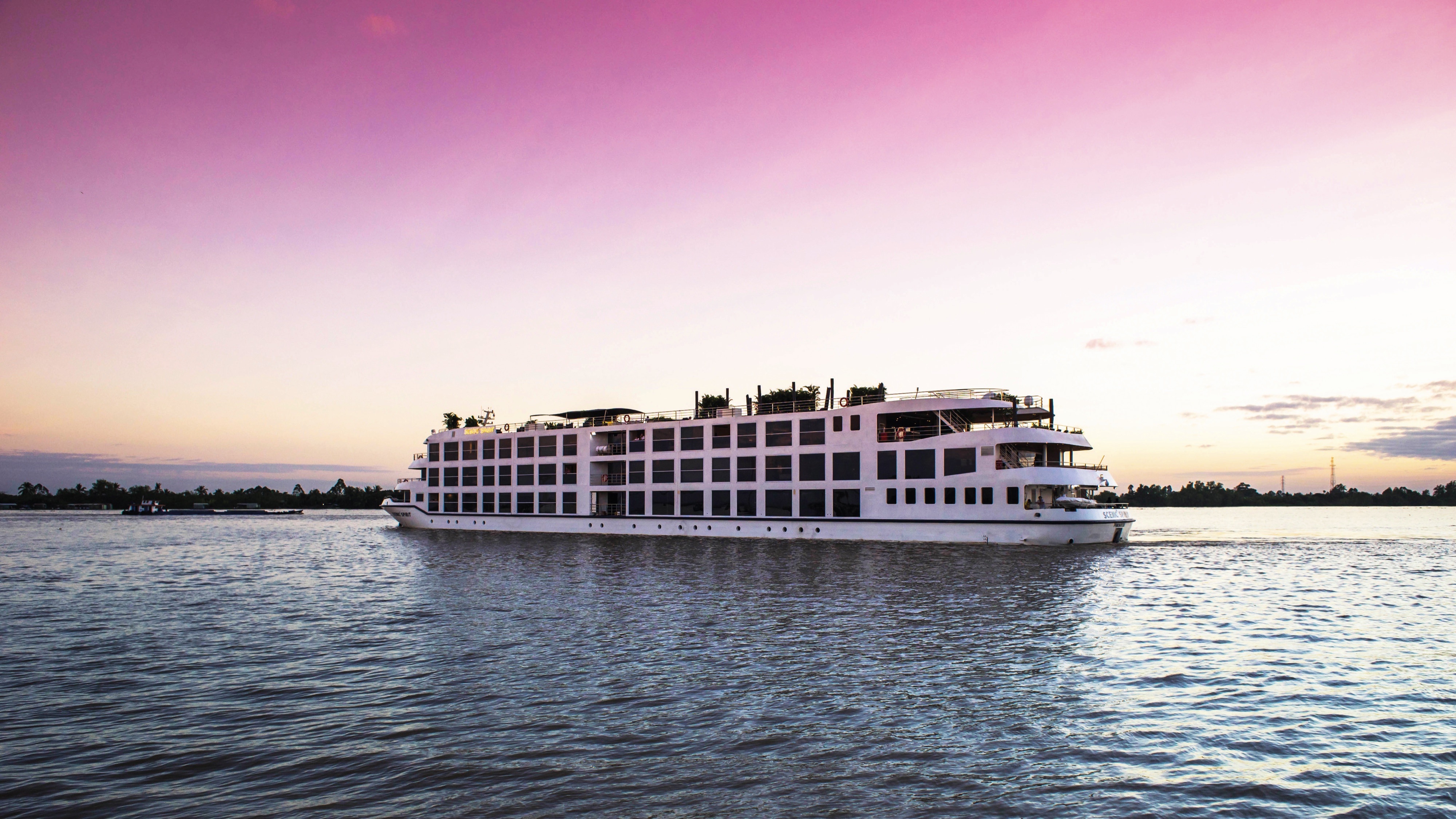
After breakfast and checkout, visit the War Museum and Reunification Palace. The former Presidential House of South Vietnam become famous in 1975 with images of tanks crashing through its gates leading to the South’s surrender and end of the War of Independence.After lunch, a coach will transfer you to My Tho where the breathtaking Scenic Spirit awaits. Start with a cocktail reception hosted by your Cruise Director. Take a stroll around the decks to orientate yourself as to where all the amenities are. After your welcome dinner, settling into your private suite does not mean you settle for service. At any time, your dedicated personal butler is free to swing by with a nightcap and delivery of your preferred pillows. A calm 4-hour sail brings you to halt off Cai Be where the ship will anchor overnight.
Day programme:
Start the day with a full gourmet breakfast – complete with champagne – before heading out to explore Cai Be.Scenic Freechoice: Choose to travel via sampan to Tan Phong, a small island located near Cai Be town that is rich in alluvial soil suitable for tropical fruit orchards all year round. With a total area of more than 1,000 hectares, surrounded by silted sandbanks, canals and a mild temperature, Tan Phong has long been a friendly destination for eco-tourism. On arrival, try a hands-on experience at a workshop specialised in weaving water hyacinth into artistic crafts. Board a motorised buggy for a ride through endless fruit orchards, stopping to enjoy the tropical fruits and interact with a farm owner. Reboard the sampan and cruise to Cái Bè town to discover the local cottage industry where families make rice-paper and sweets from pop-corn, pop-rice and coconut.Alternatively take a sampan from the Scenic Spirit to savour a delicious afternoon tea at the Le Longanier, a French colonial house restaurant, where staff will welcome you with tea, coffee and a range of local fruit and snacks for your tasting. You can dive into a local experience with a band playing music and performing traditional Vietnamese songs.If you would prefer to enjoy the comforts of your ship, our highly skilled bar team is ready to welcome you to a hands-on cocktail/mocktail making class featuring fresh local ingredients.After your morning activity, head back to the ship for lunch whilst sailing to Sa Dec. Relax and soak in the beauty of the scenery, visit the on-board library to read up on future ports, or head to the Scenic Spirit lounge to unwind with fellow guests over a glass of wine.Later, upon arrival in Sa Dec, board your sampan once again to explore the lively wet market where you can meet the sellers and marvel at their wares, including live fish, frogs and even snakes. This two-hour exploration will take you deep into the local lifestyle. You can also see the grand home of Mr. Huynh Thuy Le, a Chinese merchant who inspired Marguerite Duras’ novel L’Amant. Your expert guide will reveal the secrets behind this passionate tale of tragic love.After returning to the ship, you will have time to take an evening dip in the pool overlooking the Mekong as the sun sets. Before dinner, experience a fantastically themed dinner on board the Spirit along with a lion dance performed by locals on the expansive Sundeck. The ship will set sail after your arrival back on board for the 6-hour journey to Tan Chau.
Day programme:
You may want to start with some exercise in the on-board gym, try stretching at the early morning yoga class or relax in the sauna. Then set off to discover the areas surrounding Tan Chau. Scenic Freechoice: You could leave the city life behind at Tra Su Bird Sanctuary in Tra Su Forest. Travel by sampan through endless tranquil waterways, flanked by mangroves and lush greenery. This eco reserve spans 850 hectares and is an ecological haven for fauna and flora, home to more than 100 species of waterbirds.Or, experience a traditional way of life on Evergreen Island, joining local farmers for a morning of discovery. Back in Tan Chau, ride in a xe loi, a three-wheeled bicycle rickshaw that was introduced by the French in the 19th century and is a common form of transportation in rural Vietnam. Visit the recently renovated, brightly coloured Cao Dai temple. Caodaism is a new religion, established in 1926 in the southern Vietnamese city of Tây Ninh, and brings together beliefs and practices from Buddhism, Christianity, Taoism and Confucianism. Here, you will learn more about the mix of ideas that form the basis of this fascinating religion.For your third choice, board a speedboat to visit Chau Doc, a major city in the Mekong Delta, and Tay An temple. Set at the foot of Sam Mountain, this elaborate temple is a mixture of Indian and Islamic architecture. Afterwards, board another sampan to visit Vinh Te canal and view life along the riverfront of Chau Doc, before making your way back to Scenic Spirit.After lunch upon your arrival back on board, enjoy sailing to the Vietnamese and Cambodian border. Some down time is a great way to relax and what better way to do that than heading to the Wellness Centre or Beauty Salon for a bit of pampering. After the ship clears immigration into Cambodia at the border, settle in for an overnight sail towards Phnom Penh, bidding farewell to Vietnam.
Phnom Penh, Cambodia’s busy capital, sits at the junction of the Mekong and Tonlé Sap rivers. It was a hub for both the Khmer Empire and French colonialists. On its walkable riverfront, lined with parks, restaurants and bars, are the ornate Royal Palace, Silver Pagoda and the National Museum, displaying artifacts from around the country. At the city’s heart is the massive, art deco Central Market.
Day programme:
Welcome to Cambodia, arriving into the capital of Phnom Penh early this morning. After breakfast, it will be time to head out and explore the city.Scenic Freechoice: You can choose to journey to the infamous Killing Fields and take a tour of the Tuol Sleng Genocide Museum, housed inside a former prison. These sites are a sobering reminder of the terrors unleashed by the Khmer Rouge regime in the 1970s. This moving tour will give you a deeper insight into the tumultuous history of Cambodia and the resilience of its people.Passionate foodies may like to choose a hands-on cooking class. Take a trip to the bustling market with a local chef to purchase your ingredients, then head back to the kitchen to cook your own lunch, testing out the styles and flavours of Cambodian cuisine. Alternatively, travel by remork, a local style of tuk tuk, to explore the French architecture, backstreets and history of Phnom Penh. Finish the tour with shopping at the Central Market, famed for its unique Art Deco design and bright yellow façade.At the conclusion of your tour, return to Scenic Spirit for lunch. The remainder of the afternoon is at leisure.Scenic Sunset DrinksLater this evening, revel in our Phnom Penh by City Lights tour. You’ll get to witness the nightlife of the capital before stopping at a local rum distillery for your exclusive Scenic Sunset Drinks experience, including a private tour and tasting.
Phnom Penh, Cambodia’s busy capital, sits at the junction of the Mekong and Tonlé Sap rivers. It was a hub for both the Khmer Empire and French colonialists. On its walkable riverfront, lined with parks, restaurants and bars, are the ornate Royal Palace, Silver Pagoda and the National Museum, displaying artifacts from around the country. At the city’s heart is the massive, art deco Central Market.
Day programme:
Board a bus this morning for the short drive to the ancient capital of Cambodia, Oudong. Here, experience the life of the monks and nuns who reside at the peaceful monastery. If you are lucky, you may be able to partake in one of the many festivals and traditional rituals often held here.After you return to the city, discover the opulence of Phnom Penh’s Royal Palace and the famous Silver Pagoda within. Set on the riverfront, this dazzling palace was built in the 1860s and still serves as the official residence of the King of Cambodia. After returning to the ship and before setting sail, enjoy a cultural performance by the Cambodian Student and Children’s Organisation.Get ready for an evening of style with a Sundowner cocktail reception on the sundeck against the backdrop of Phnom Penh’s lights and stunning scenery as the ships sets sail towards Oknha Tey, commonly known as Silk Island.
Phnom Penh, Cambodia’s busy capital, sits at the junction of the Mekong and Tonlé Sap rivers. It was a hub for both the Khmer Empire and French colonialists. On its walkable riverfront, lined with parks, restaurants and bars, are the ornate Royal Palace, Silver Pagoda and the National Museum, displaying artifacts from around the country. At the city’s heart is the massive, art deco Central Market.
Day programme:
This morning, you will explore the island of Oknha Tey, dedicated to the art of silk weaving. Travel by traditional tuk tuk to the farm, meet the workers and learn about silk production. Return to Scenic Spirit for lunch and some free time. This could be the perfect opportunity to escape the heat of a Southeast Asian afternoon with a swim in the pool and a refreshing cocktail.After lunch, you will call at Angkor Ban, a small settlement where time stands still. Explore its historic wooden houses, which date back over 100 years and survived the destruction of the Khmer Rouge. Back on board, learn the many ways to wear a krama, the traditional Cambodian scarf, as the ship sails towards Kampong Cham.
Day programme:
Meet the novice monks at Wat Hanchey, an ancient hilltop pagoda and monastery. Walk (or drive) to the top and soak in some of the best elevated views of the cruise.Scenic EnrichReceive a traditional blessing from a monk and learn how to pray in a Buddhist pagoda before partaking in an alms ceremony, which contributes to the daily meal of the resident monks.Sail back to Kampong Cham.Scenic Freechoice: This afternoon, explore Kampong Cham and its surrounds. Choose to learn about local folklore at Phnom Pros, a mountaintop pagoda that has long been part of a traditional legend. Tragically, in more modern times, the site was used as a Killing Field by the Khmer Rouge. The temple now features a Buddha Garden and is home to a local troop of monkeys. Afterwards, visit Wat Nokor Bachey, a unique architectural experiment that blends an Angkorian era temple with a new temple built inside it.Alternatively, explore Kampong Cham’s history and industry with a drive past shop houses, remnants of the French colonial era, and the large Central market. Visit a local rubber plantation established by the French before stopping at a village known for growing betel nut, an important part of Cambodian culture.Your third option today is a visit to Kho Penh Village. Located on Pen (Bamboo) Island, it’s only accessible by local remork after crossing by bamboo bridge or ferry from Kampong Cham. This remote village gives you a fascinating insight into the simple, rural lifestyle of farmers in Cambodia.Back on board you will have time to relax and overlook the gorgeous sunset of the Cambodian skyline before your engaging farewell dinner with the crew.
Day programme:
The second day of your Siem Reap exploration starts with a delicious champagne buffet breakfast at the hotel.Scenic Freechoice: Your Scenic Freechoice takes the morning in any direction: the rose-pink sandstone of Banteay Srei temple and the Landmine Museum; artisan workshops at Senteurs d’Angkor; a village walk through Ta Brak; life on the Tonle Sap floating villages (July to February); or a behind-the-scenes tour of the Angkor Wildlife Aquarium.The afternoon belongs to Angkor Wat itself, best seen as the afternoon light plays across its galleries and towers. After the day of adventure, tonight is free to shop away at the night markets of Siem Reap or venture to Pub Street, both in walking distance or a short tuk tuk ride from your hotel.
Day programme:
Scenic EnrichAn early departure brings its own reward as the sunrise shifts across Angkor Wat’s moat, followed by a champagne breakfast prepared by a Scenic-supported NGO bakery school near the temples.The morning continues through the jungle-enveloped Ta Prohm and the many-faced Bayon at Angkor Thom.Scenic EnrichThe afternoon is free before the final Scenic Enrich brings the Siem Reap chapter to a close: a private gala dinner within the grounds of the 10th-century Prasat Kravan temple, Apsara dancers performing by candlelight among the ruins with complimentary drinks throughout.
Day programme:
Checkout this afternoon and transfer to Siem Reap Airport. Fly to the UNESCO listed city of Luang Prabang, the spiritual capital of Laos, for a three-night Special Stay, located across from the famous night markets.Nestled between the Nam Khan and Mekong Rivers and surrounded by lush, forested mountains, Luang Prabang is one of the jewels of Indochina. This charming city is the spiritual capital of the country with a host of temples and scores of saffron robed monks. Time runs slowly here and endless hours can be spent meandering the small laneways past attractive colonial buildings or soaking up the view from a riverside café.
Day programme:
Visit Wat Xieng Thong, founded in 1560 and one of the most important temples in Laos, along with Wat Mai and the former Royal Palace, now the National Museum. This afternoon, a boat cruise along the Mekong calls at a rice wine village before arriving at the sacred Pak Ou Caves, where thousands of gold Buddha statues are enshrined within the limestone cliffs. Back in town, a lesson in Pétanque with the locals rounds out the afternoon. The night market is close, and the evening is yours.
Day programme:
Well before dawn, the streets fill with the silent movement of monks collecting their daily alms — one of the most meditative and culturally significant moments of the entire journey.Scenic Freechoice: Return to the hotel for breakfast before Scenic Freechoice: a hands-on rice farming experience at the Living Land farm, working through every stage of the growing and harvesting process; or a tuk tuk and ferry journey to Ban Chan, a village with a centuries-old tradition of making pottery for the Laotian royal household, with a traditional lunch prepared using local ingredients.The afternoon is free before your farewell dinner where the last 25 days of discovery are pieced back together over the table.
Bangkok, also known as the City of Angels and Venice of the East thrills with energy. There’s such a vast array of sightseeing, shopping, and eating possibilities that you’ll have little time to rest. When you do find a moment, pamper yourself with spa treatments, skyline-view bars, luxurious hotels, and excellent restaurants. The city is a mesmerizing blend of old and new, East and West, and dizzying contradictions. Temples and red-light districts, languid canals and permanent gridlock, streetside vendors and chic upscale eateries, all make their home together, all at the same time. Bangkok rarely fails to make an impression, and yes, you might need to go spend a few days on the beach to recover from it all. Although Bangkok is not known for jaw-dropping tourist attractions, it does have an endless supply of worthwhile pilgrimages. The Grand Palace, Wat Phra Kaew, and the Emerald Buddha are tops on every visitor’s itinerary, and lesser-known temples, such as Wat Benjamabophit, the golden stupa of Wat Sakhet, and Wat Suthat, are all worthy of a stop. Besides temples, there are plenty of other interesting niches and touring possibilities to fit just about every interest. Take in a venom extraction and python feeding show at the Queen Saowapha Snake Farm, or go to the nearby Jim Thompson House to learn all about the famed Thai silk industry. If architecture is your forte, there is the Suan Pakkard Palace with its antique teak house collection, and the even more astounding Vimanmek Palace, which contains the world’s largest golden teak building. Bangkok’s Chinatown merits at least a day on every travel itinerary—be sure to check out the sprawling labyrinthine Flower and Thieves markets. Thai food is unrivaled for spice, taste, and variation. From multicourse meals to small street vendors, the one constant here is fresh and delicious at every level. You can have superlative roast duck or wonton noodles on a street corner for lunch and then be dining on world-class chef creations in the Oriental or Shangri-La hotels for supper. It doesn’t have to be all spicy Thai either, as Bangkok is home to excellent French, Italian, and other world cuisines, and you need a few years just to make a dent in all the options that are available. The Old City is a major destination for travelers, as it’s home to opulent temples like Wat Po and Wat Phra Kaew. Across the river is Thonburi, a mostly residential neighborhood, where you can find Wat Arun. At the northern tip of the Old City is Banglamphu, one of Bangkok’s older residential neighborhoods. It’s best known now for Khao San Road, a backpacker hangout, though the neighborhood has much more to offer, especially when it comes to street food. North of Banglamphu is Dusit, the royal district since the days of Rama V. East of the Old City is Chinatown, a labyrinth of streets with restaurants, shops, and warehouses. Farther down the Chao Phraya River is bustling Silom Road, one of the city’s major commercial districts. Patpong, the city’s most famous of several red-light districts, is also here. Bang Rak is home to some of the city’s leading hotels: the Mandarin Oriental, the Peninsula, the Royal Orchid Sheraton, and the Shangri-La. To the north of Rama IV Road is Bangkok’s largest green area, Lumphini Park. Continue north and you reach Sukhumvit Road, once a residential area. More recently, Thong Lor, farther east along Sukhumvit, has become the “in” neighborhood for those want to see and be seen. The Nana and Asok areas of Sukhumvit are now home to the even busier red-light entertainment districts (Nana and Soi Cowboy) than Patpong.
Day programme:
A final morning in the hotel before check-out. Then farewell to Laos with a flight to Bangkok where the journey concludes on arrival.Please book your flight to depart out of Bangkok after 07:00 PM.Rivers and waterways are subject to variations in water levels. While every effort is made to adhere to the planned itinerary, changes in river conditions, local government regulations or local festivities may require journey modifications. These will be made based on the advice of local authorities or for safety reasons. Hotels are indicative and subject to change.Please note: Preview itinerary subject to change.
Ship features
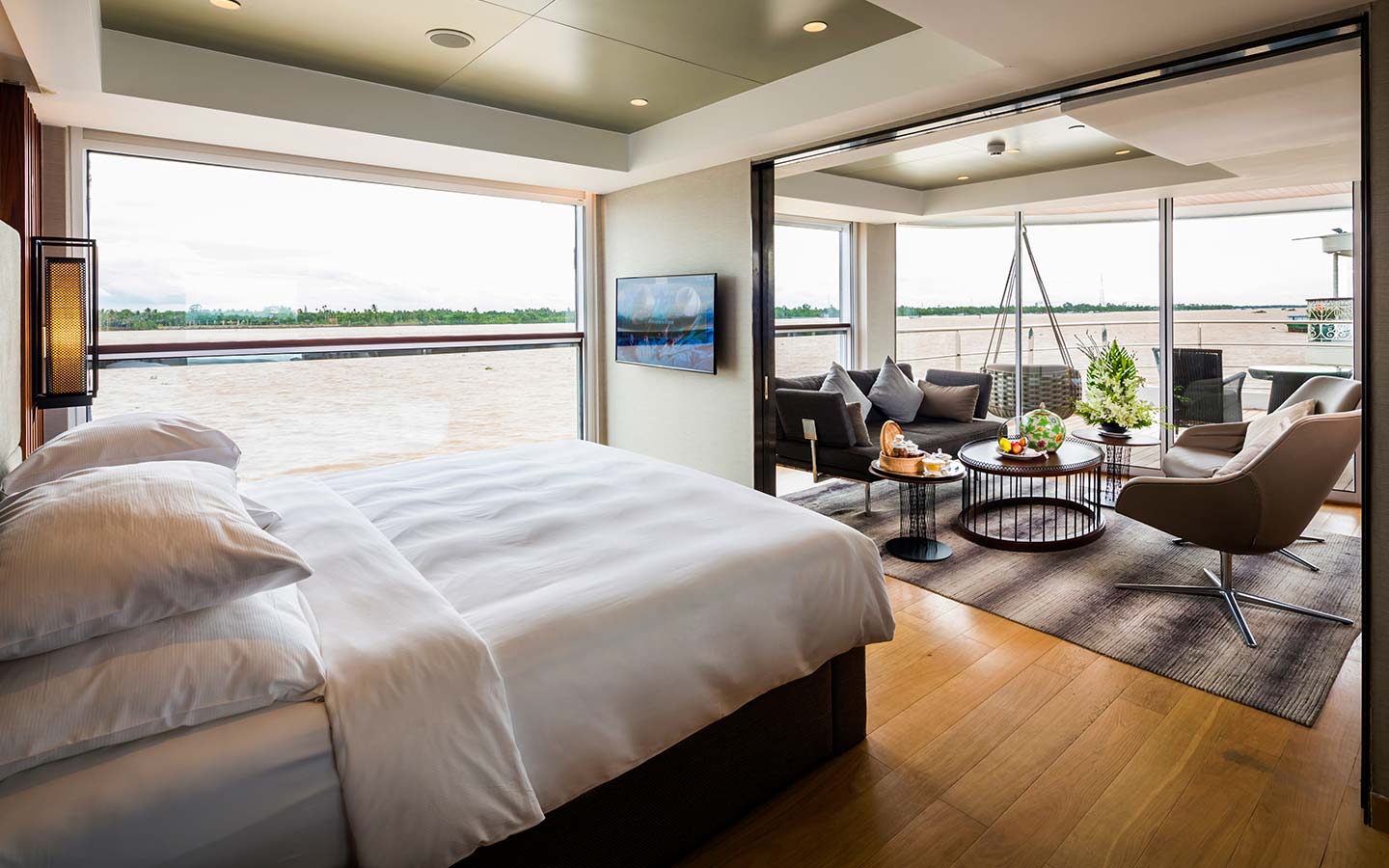
Royal Panorama Suite
Your rejuvenating retreat
These indulgent, spacious suites redefine industry standards and feature a private terrace, where you can unwind in your outdoor Jacuzzi and take in 180° views. Enjoy a range of exclusive inclusions while staying in your Royal Panorama Suite, from private transfers to in-suite breakfast, and hotel privileges when on your combined land journey.
Suite Features
At a generous 80sqm, these suites feature a private terrace with an outdoor Jacuzzi, day bed and amazing 180° views from the bow of the ship.
Suite Highlights
- A Queen-size Scenic Slumber Bed with a pillow menu
- Scenic Sun Lounge, for wide-angle splendour at the press of a button
- Separate lounge area
- Walk-in wardrobe
- Oversized bathroom with bath
Amenities & Features
- Club Floor privileges at the Caravelle Saigon and Landmark rooms at Raffles Grand Hotel d’Angkor in Siem Reap
- Private transfers
- A bottle of Champagne on boarding
- Invitation to Chef’s table whilst on board
- A US$100 per couple on board Wellness Centre credit
- Unlimited complimentary laundry services
- Butler service with valet, shoeshine and drinks service and morning tea and coffee
- Cocktails arranged in the lounge of your suite
- In-suite breakfast
- Plush bathrobes
- Nightly turndown service
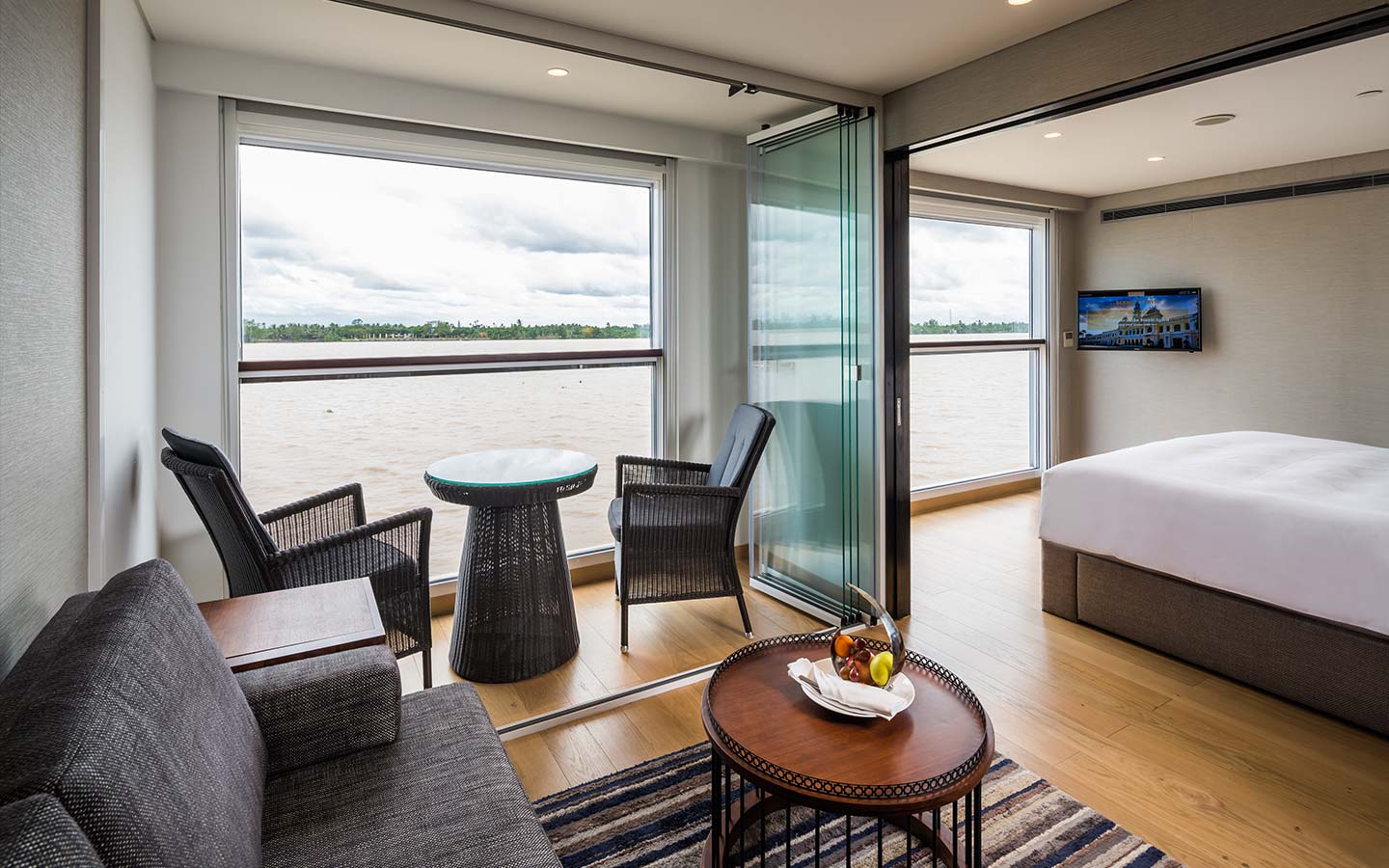
Grand Deluxe Suite
Discover our Grand Deluxe Suites
With luxury furnishings and a stylish lounge area to unwind in, your Grand Deluxe Suite will be your home away from home. Enjoy the captivating Mekong views from your Scenic Sun Lounge and the range of exclusive inclusions, from delicious pre-dinner canapes to hotel privileges when on your combined land journey.
Suite Features
Our Grand Deluxe Suites are a spacious 40sqm and include Diamond Deck benefits.
Suite Highlights
- A queen-size Scenic Slumber Bed with a pillow menu
- Scenic Sun Lounge, for wide-angle splendour at the press of a button
- Separate lounge area
- Walk-in wardrobe
- Spacious bathroom
Amenities & Features
- Butler service with valet, shoeshine and drinks service and morning tea and coffee
- Club Floor privileges at the Caravelle Saigon and Landmark rooms at Raffles Grand Hotel d’Angkor in Siem Reap.
- Complimentary laundry service for two garments pressed daily
- Fresh fruit delivered to your suite
- Canapes before dinner and petit fours after dinner
- Cocktails arranged in the lounge of your suite
- Plush bathrobes
- Nightly turndown service.
Deluxe Suite
Your spacious hideaway
The most spacious lead-in suites available on the Mekong River, these beautiful suites offer you a separate bedroom and lounge area to relax in. Enjoy dining, reading and taking in the passing views from your Scenic Sun Lounge, and a butler service to ensure every detail is taken care of.
Suite Features
At 32sqm these Deluxe Suites are the most spacious lead-in suites on the Mekong River.
Suite Highlights
- Queen-size Scenic Slumber Bed with a pillow menu
- Scenic Sun Lounge, for wide-angle splendour at the press of a button
- Separate bedroom and lounge area
- Spacious bathroom
Amenities & Features
- Butler service with valet, shoeshine and drinks service and morning tea/coffee
- Cocktails arranged in the lounge of your suite
- Plush bathrobes
- Nightly turndown service
Exclusively for guests staying on the Diamond Deck:
- In-suite breakfast
- Complimentary laundry service for two garments pressed daily.
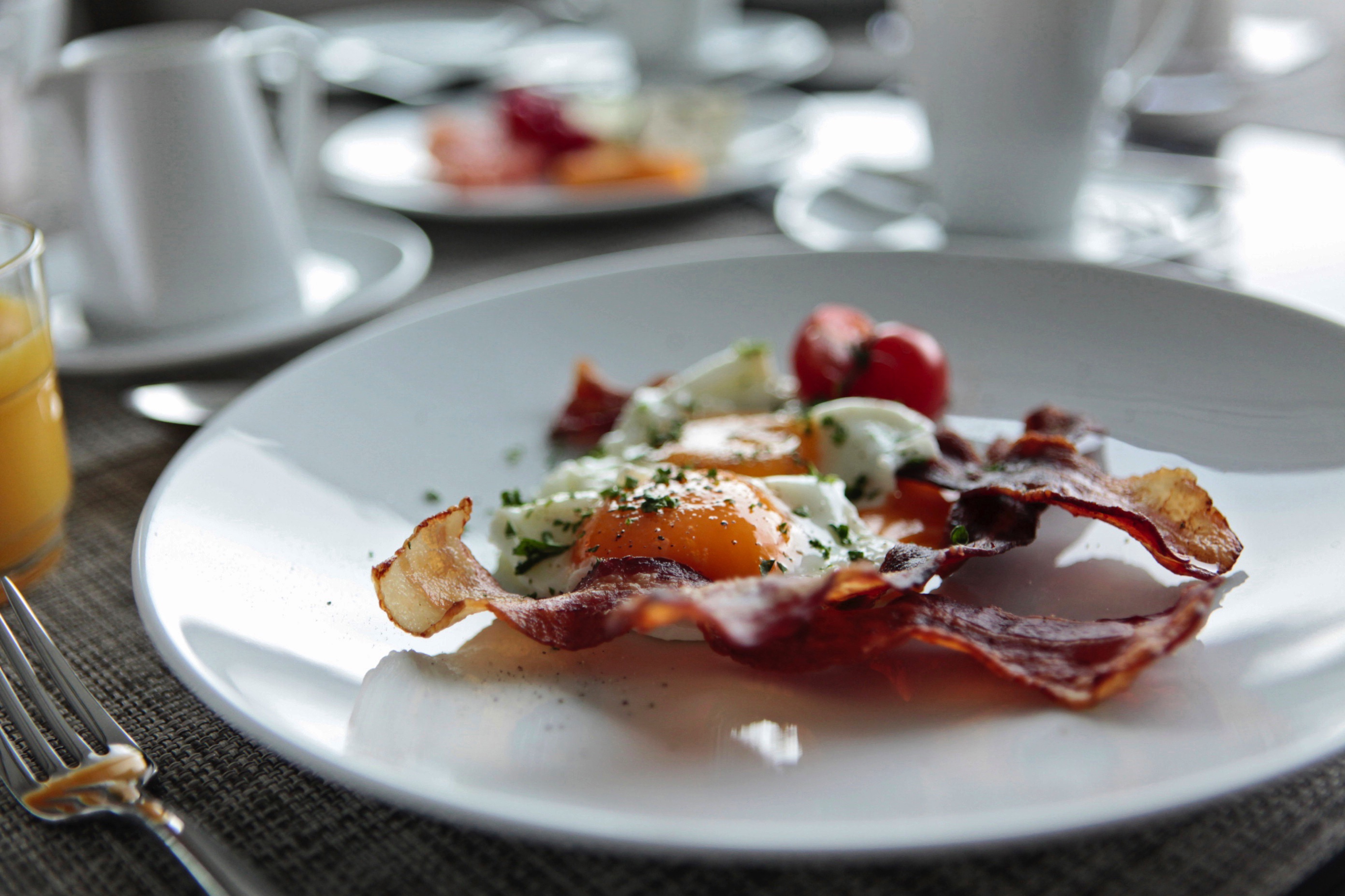
Crystal Dining
Enjoy à la carte menus for breakfast, lunch and dinner at Crystal Dining. Available on all Europe and South East Asia river cruises, this main restaurant offers a relaxed dining experience with local delicacies.
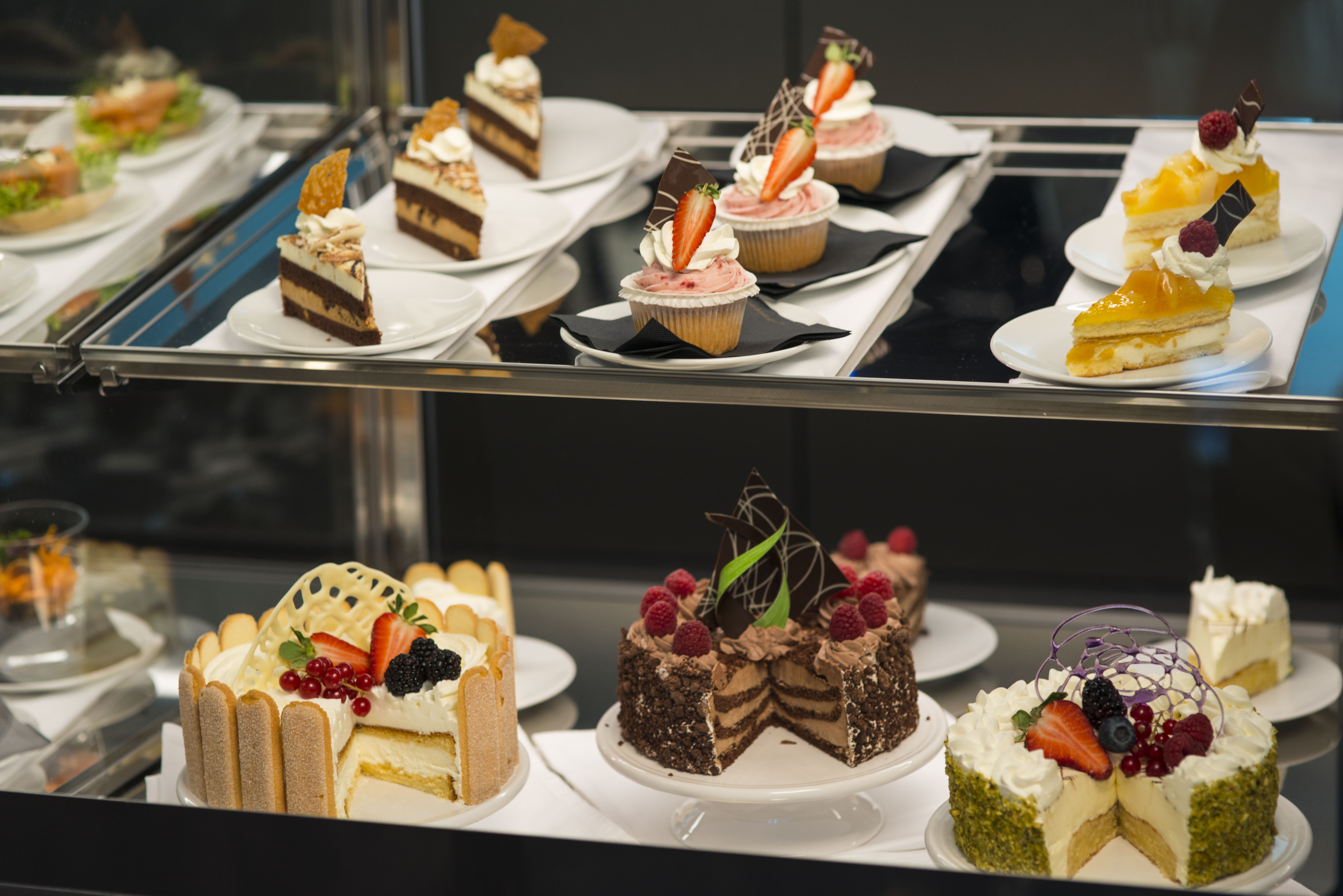
River Cafe
Offering a casual dining experience, you can enjoy all-day grazing options, light snacks and tasty treats to suit your schedule. The River Café is available on all Europe and South East Asia river cruises.

In-Suite Dining
Choose to dine in the comfort of your luxurious suite, while taking in the incredible views and enjoy included room service throughout your cruise.
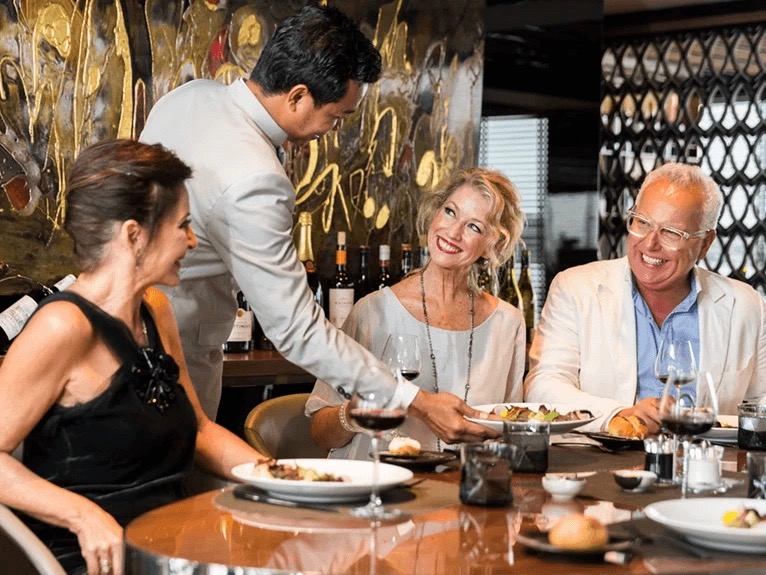
Chef’s Table Dining
Take a culinary journey through South East Asia when dining at Chef’s Table. Exclusively for Diamond Deck guests, this experience offers an enticing 10-course degustation dinner with matched wines for up to 10 guests, and is available on our South East Asia river cruises.
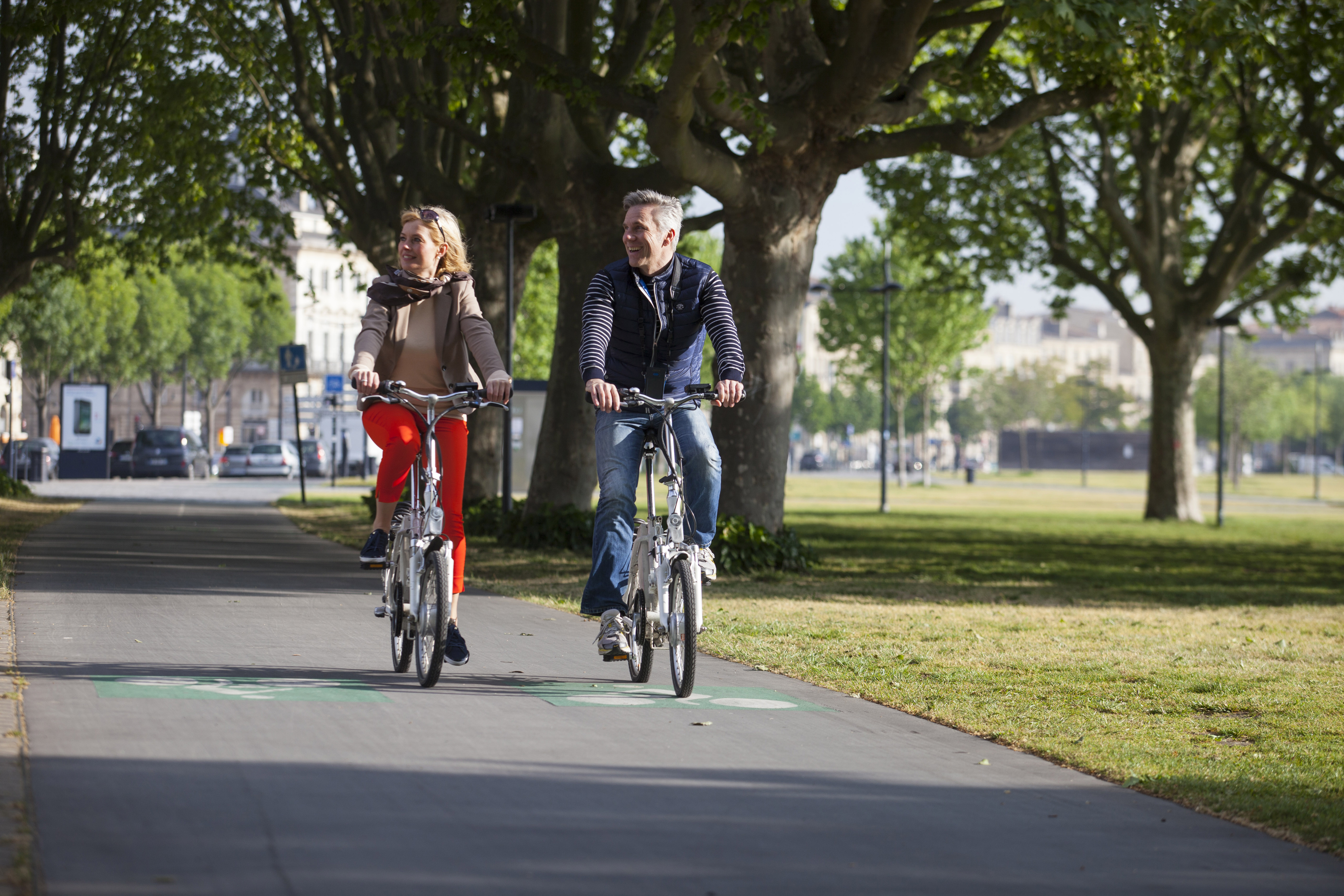
Scenic E-Bikes
Explore cities onshore on our complimentary e-bikes.
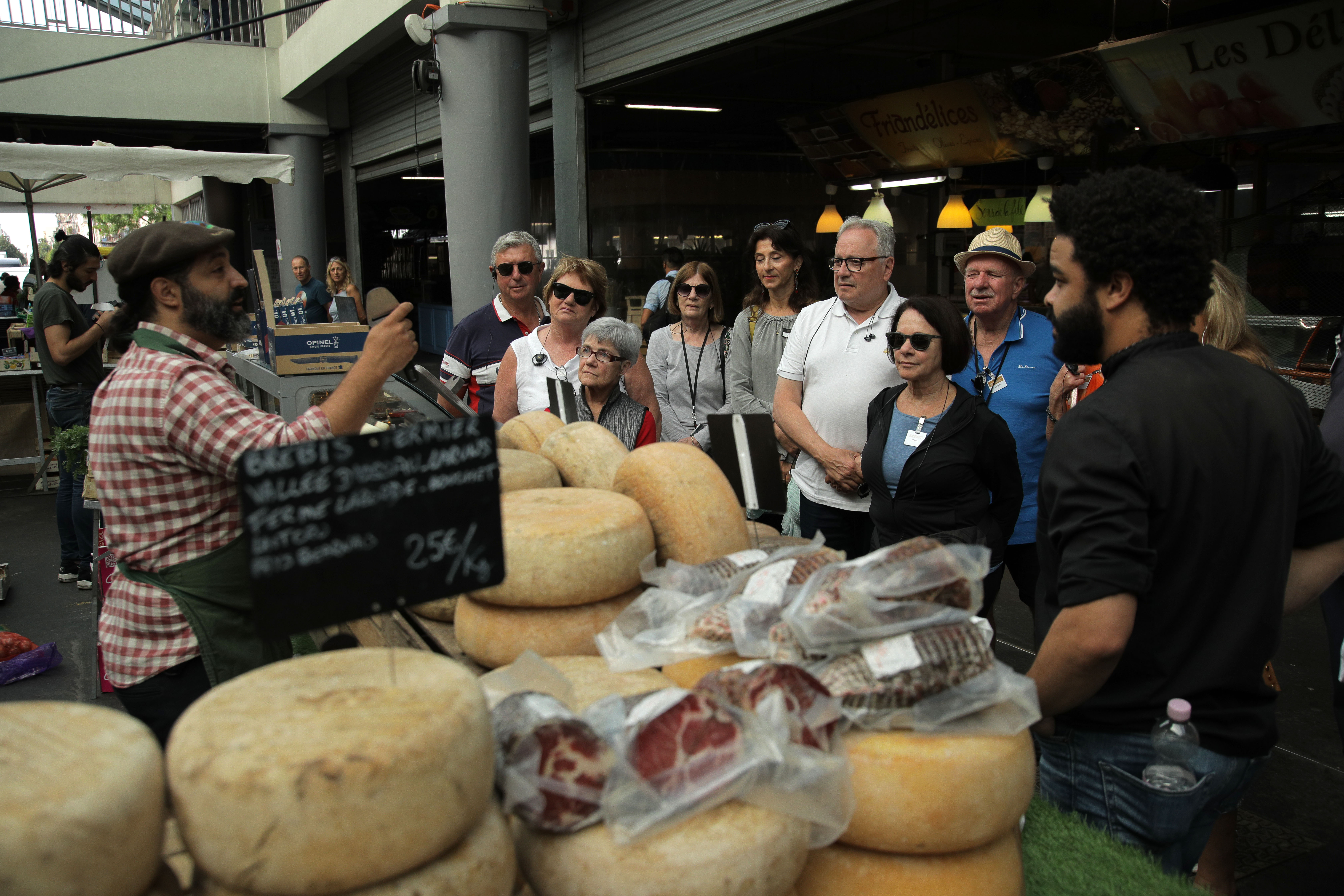
Scenic Freechoice
Personalise your river cruise and pursue your own interests as you set off on unique excursions in South East Asia. Scenic’s extensive list of Freechoice excursions offer an Active, Moderate or Relaxed pace so you can choose activities best suited to you. Whether it’s discovering the stories of the Vietnamese history or enjoying a food tour though Ho Chi Minh City or Hanoi on the back of a vintage Vespa, the choice is yours.
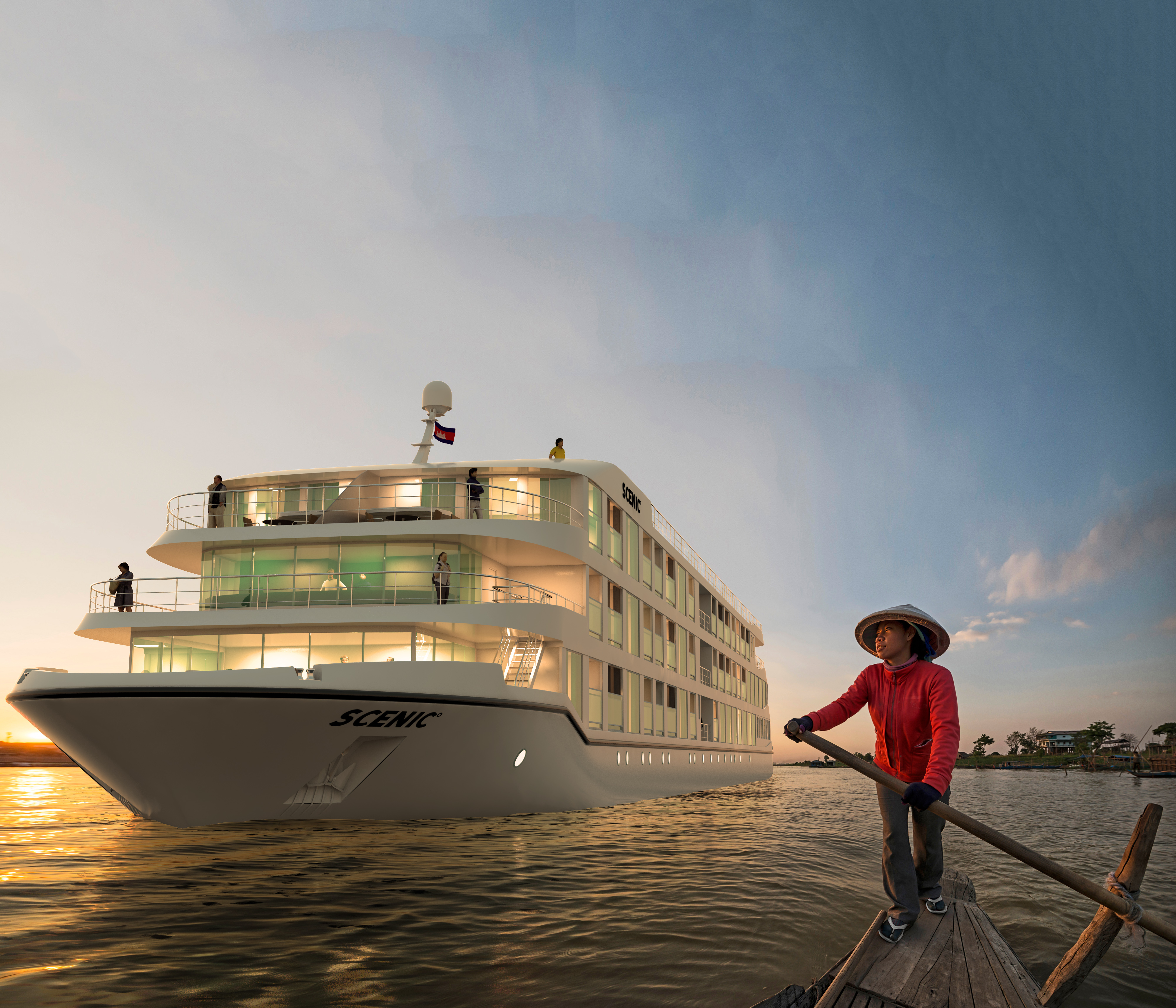
Scenic Enrich
Enjoy the wonders of South East Asia through an exciting river cruise and Land Journey, designed to showcase the best of your destination. Personalise your trip with the experiences to match your interests and pace. Go behind the scenes with Scenic Enrich to enjoy private access to iconic locations including the spectacular Angkor Temple Gala Dinner illuminated by twilight, when extending to Siem Reap.
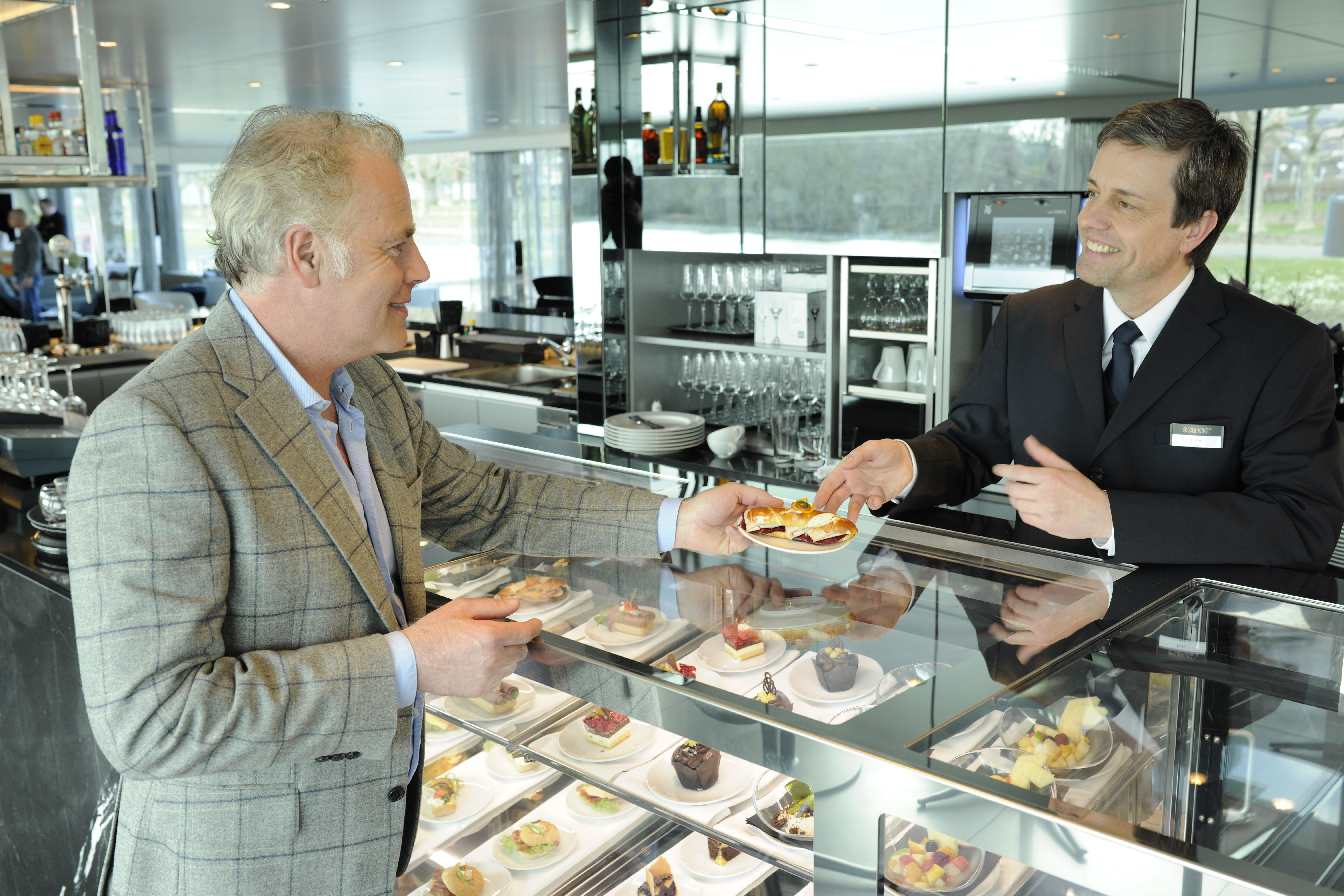
On Board Team
The Nth Degree
From the moment you step on board Scenic Spirit, consider yourself at home. You’ll enjoy exemplary service, who’ll go above and beyond with almost one crew member for every guest to ensure you enjoy every moment of your river cruise.
Cruise Director and Team
Acting as one of your main points of contact during your cruise, they will take care of all arrangements for your excursions and attend to any special requests you may have.
Tour Director
Your Scenic-employed Tour Director will be with you from arrival to departure including on your Mekong River cruise on Scenic Spirit and during your land journey. They’re handpicked and trained by Scenic and most have been sharing their expertise for many years.
Culinary Team and Bar Staff
Our Executive Chefs are trained in some of Europe and Asia’s most reputable restaurants and draw inspiration from Asia’s vibrant food culture. They prepare all meals with the freshest ingredients. The bar and wait staff will go to the Nth Degree, from knowing how you like your coffee at breakfast to your preferred white or red wine at lunch.
Scenic Butlers
All guests on Scenic Spirit enjoy butler service. Your butler will take pride in remembering your preferences and tastes, arriving with your favourite morning beverage at just the right time, or helping you unpack or book in some down-time with a beauty treatment.
Wellness and Fitness Staff
The Wellness Team on Scenic Spirit can support you in maintaining your wellbeing and fitness goals. They can guide you with morning Tai Chi or walking on the Sun Deck. Iron out your travel weariness with a relaxing treatment at the spa, including a deep tissue Khmer massage or foot reflexology.
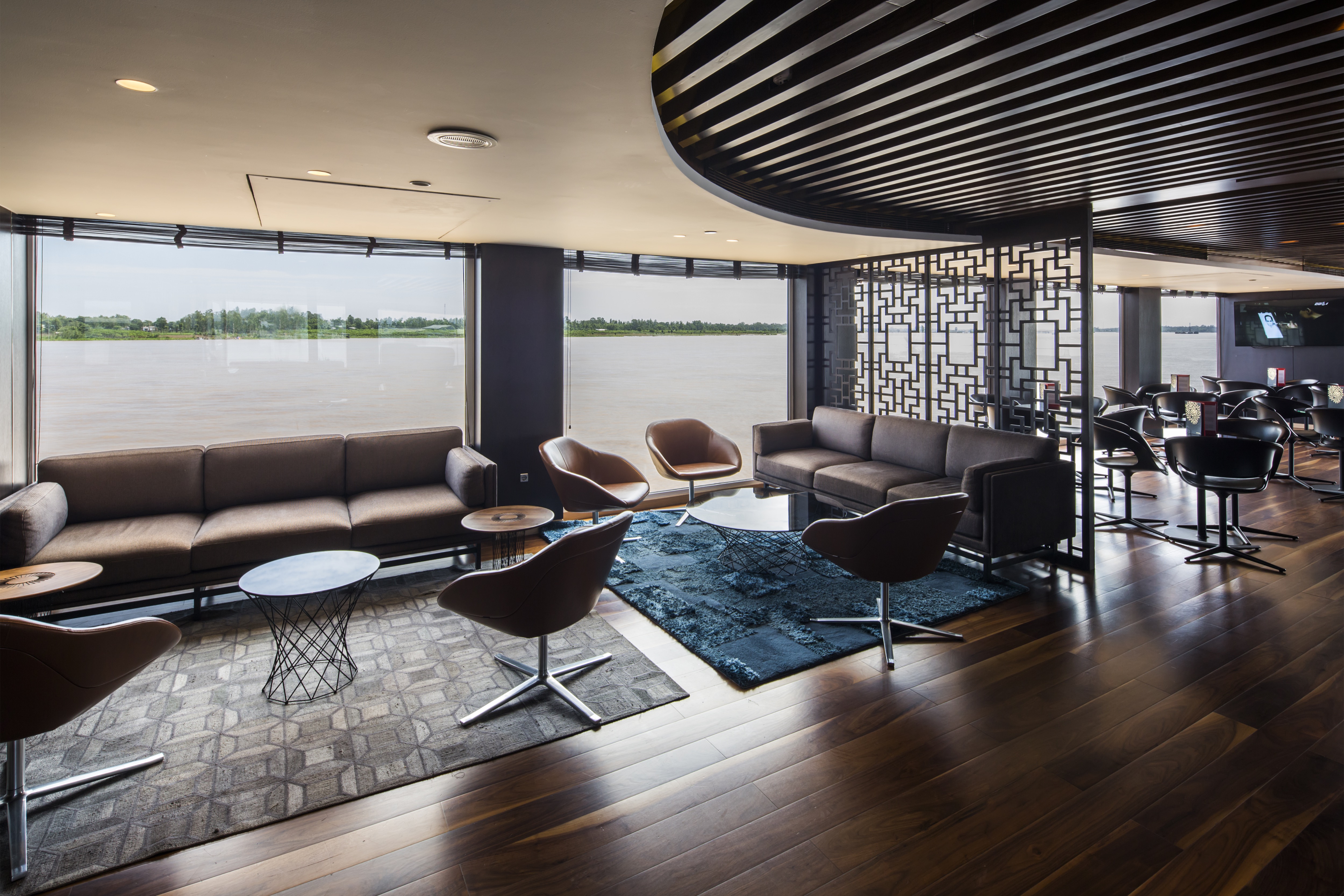
Spirit Lounge
Enjoy a glass of your favourite wine, beer or spirit amid elegant and contemporary surroundings in the Spirit Lounge. This is the main bar area on board the Scenic Spirit, a place to relax and catch-up with new-found friends during your downtime on board.
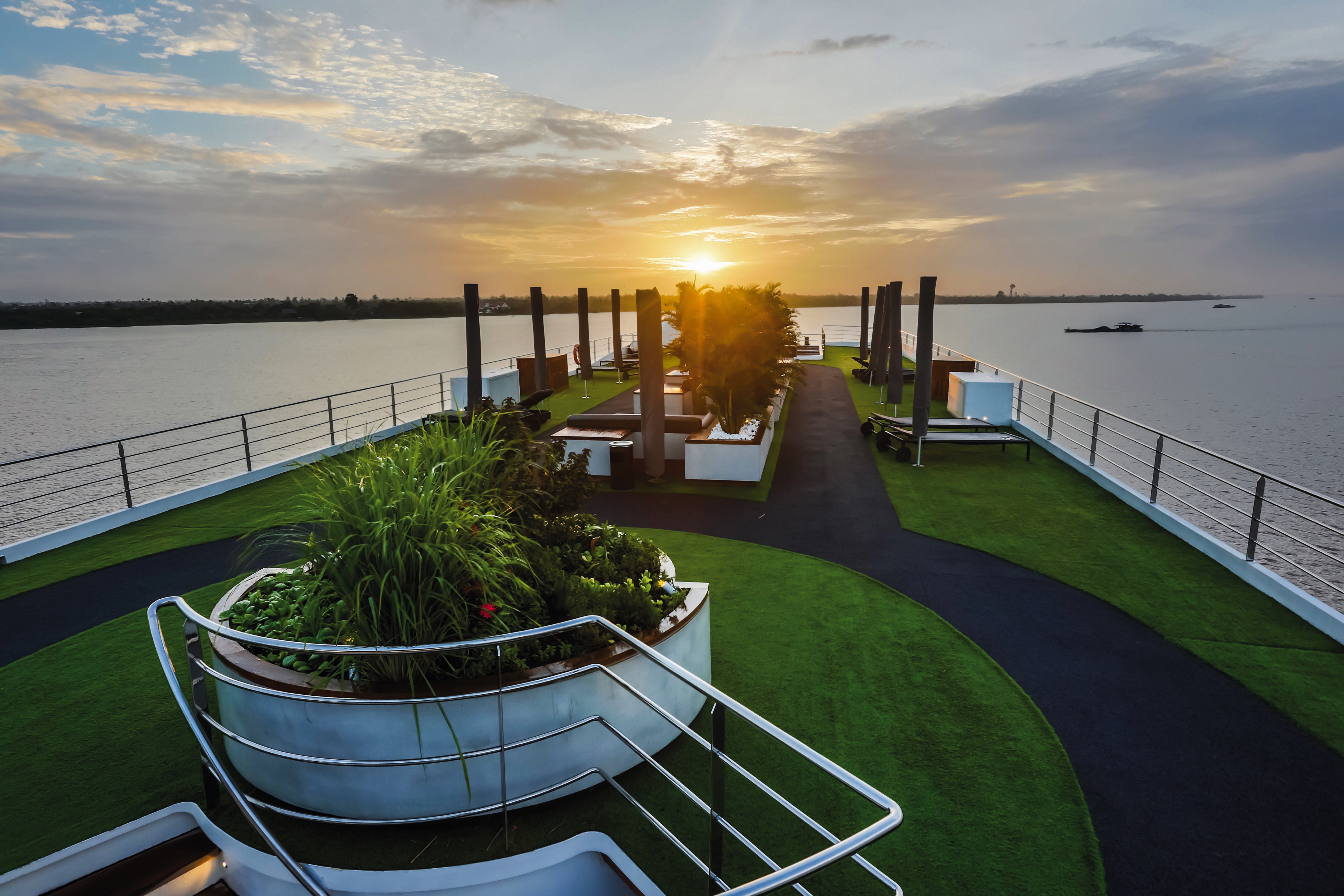
Sun Deck and Open Air Cinema
The Sun Deck is an open-air space at the top of the Scenic Spirit, where you can drink in wonderful views and relax on one of the comfortable sun loungers. Take in a classic film or new release in Scenic Spirit’s state-of-the-art open-air cinema. With screenings available on select evenings during your river cruise, you can take in a film beneath the stars as your ship makes its way towards its next destination.
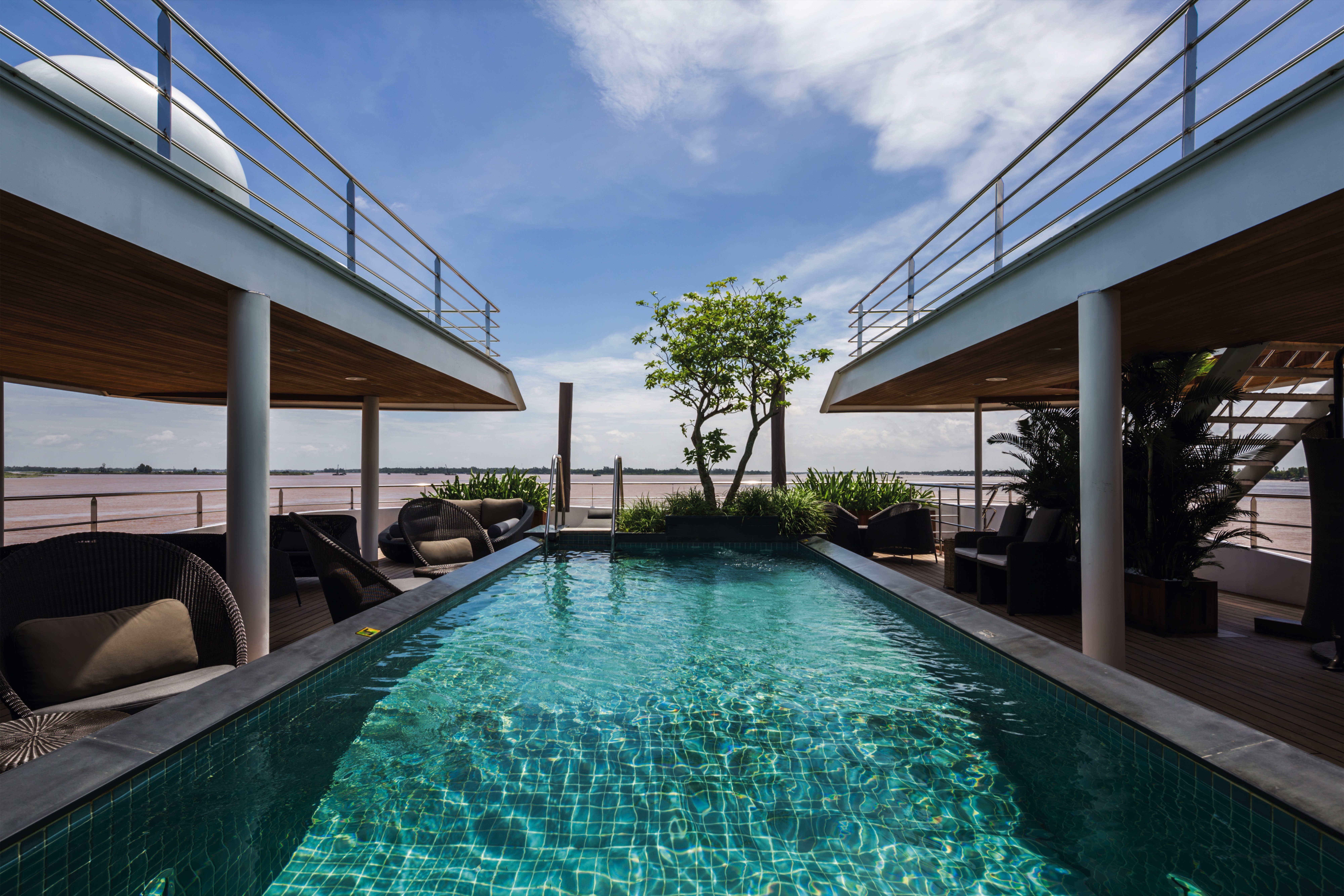
Swimming Pool & Bar
Take a dip in Scenic Spirit’s sleek swimming pool, which is available for your bathing pleasure on the Sun Deck. Providing the ideal place to relax and unwind after a shore excursion, our contemporary pool and bathing area is the perfect way to cool off during your Mekong river cruise. Make the most of our generous all-inclusive drinks offering at the poolside bar, where you can indulge in a range of alcoholic drinks and hot and cold beverages throughout your Mekong river journey. Steps from the pool, it’s a fabulous way to refresh and unwind.
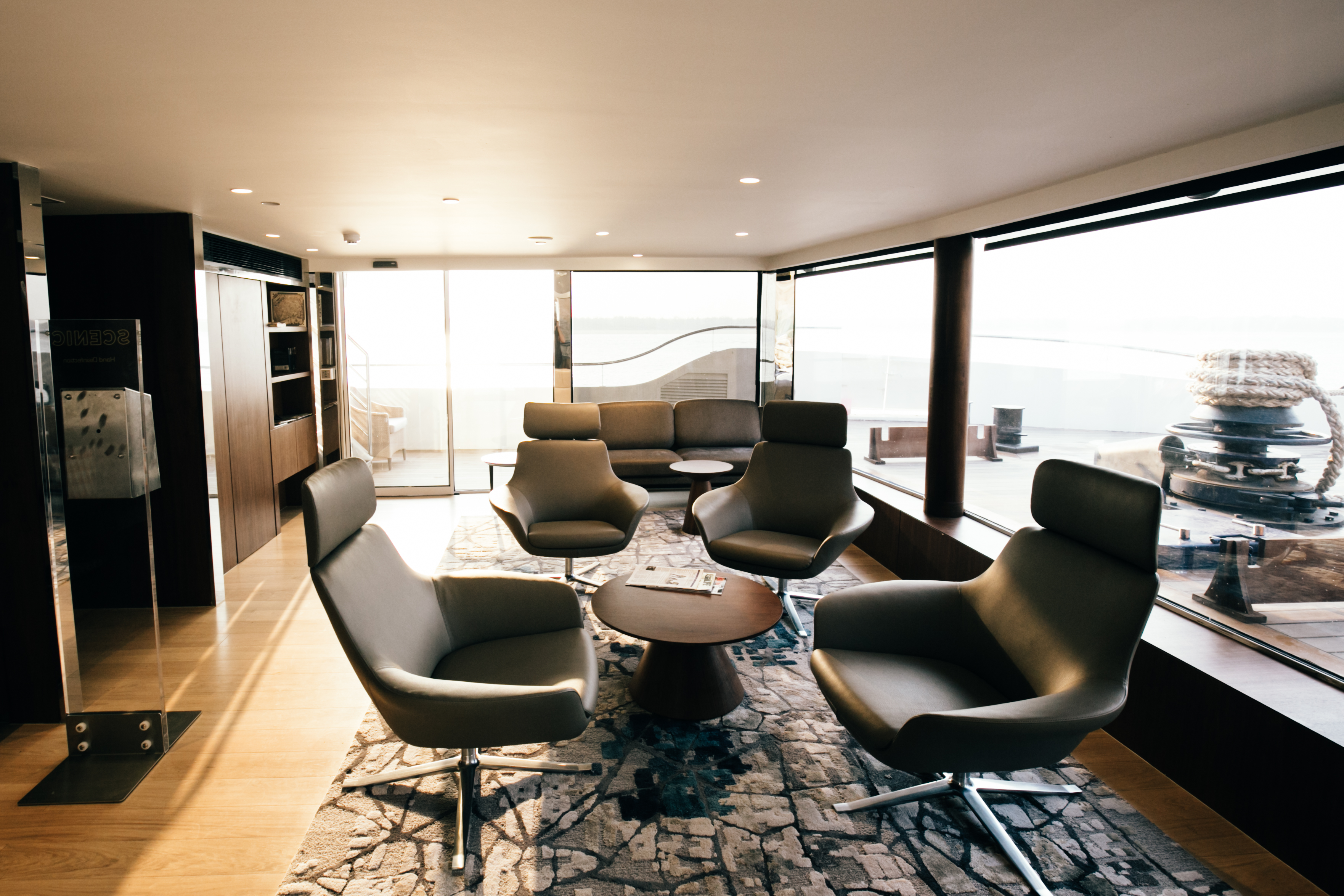
Spirit Reception
Whatever you need throughout your Mekong river cruise, our welcoming reception team are here to help.
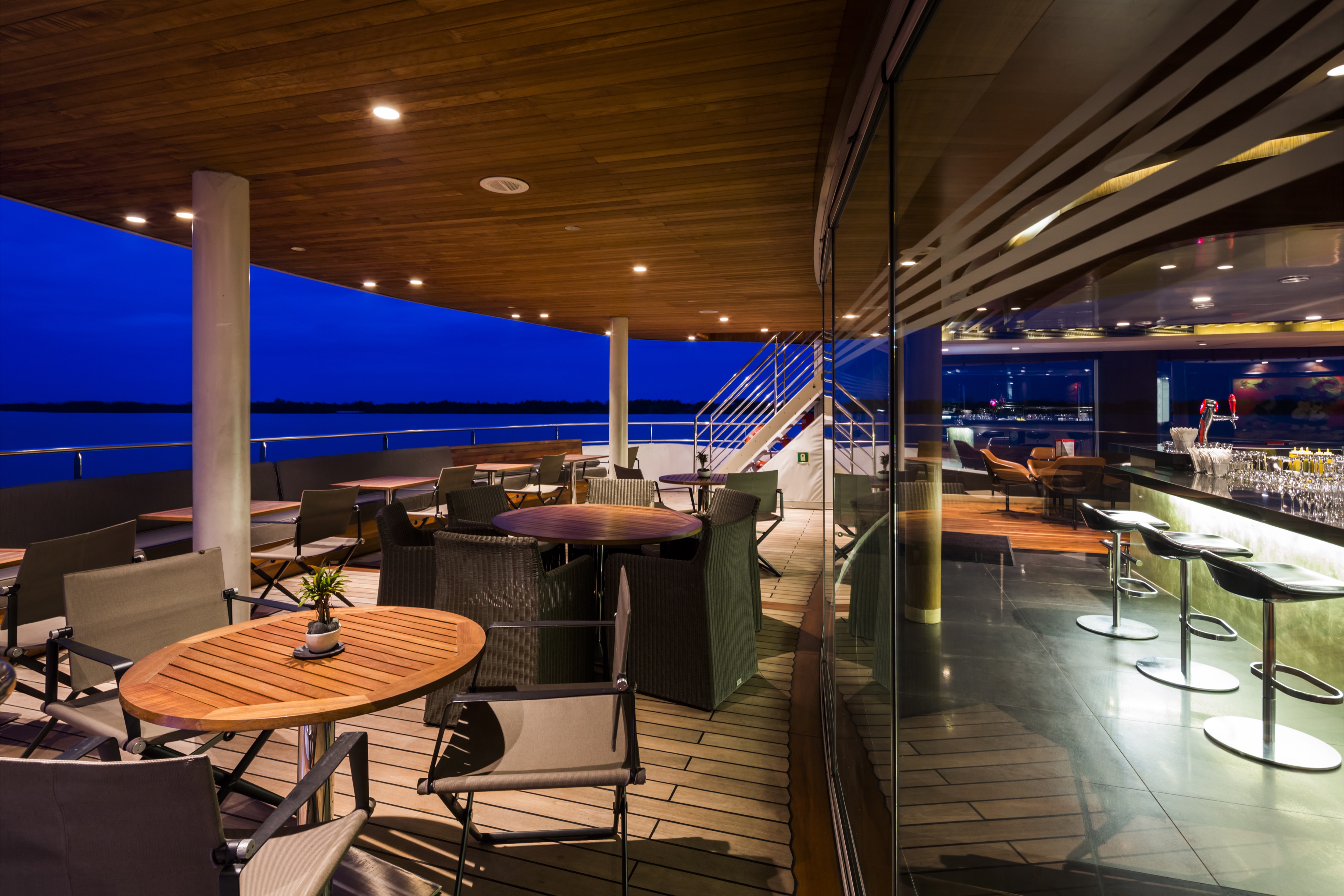
Spirit Outdoor Lounge
Relax and indulge in a little of what you fancy at our outdoor lounge, where you can enjoy a range of all-inclusive drinks and light meals. With fine views of the river, this is alfresco living at its best.
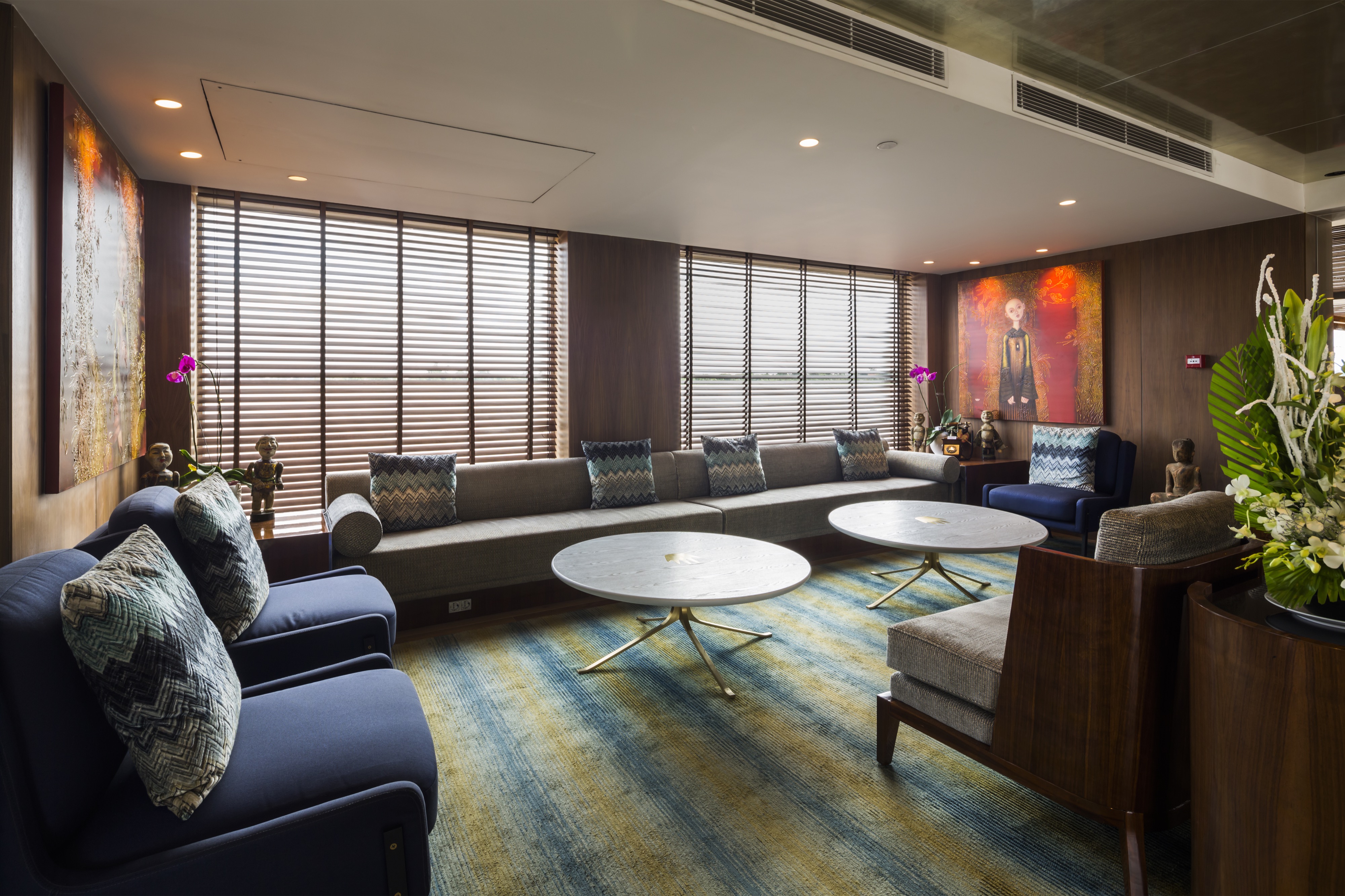
Library
Take a book from the shelf and relax in Scenic Spirit’s on-board library. With plenty of novels and non-fiction works to choose from, your downtime lounging by the pool or relaxing in your suite guarantees total relaxation and enjoyment.
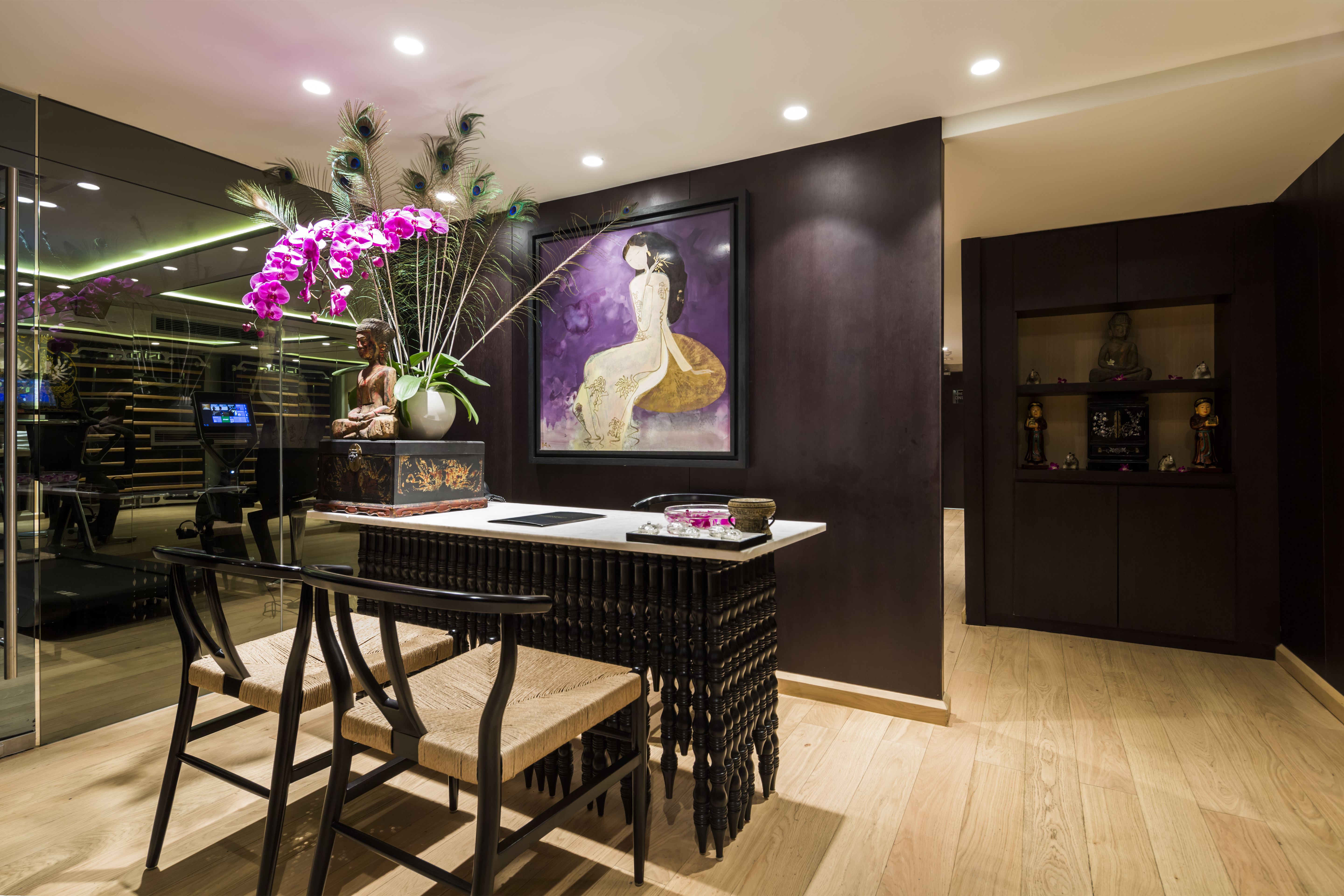
Wellness Areas
Begin your day by taking a refreshing dip in the Vitality Pool, or with morning exercise or Tai Chi on the Sun Deck on board Scenic Spirit. Let our wellness experts guide you through mindful meditation or unwind and detox in the steam sauna.
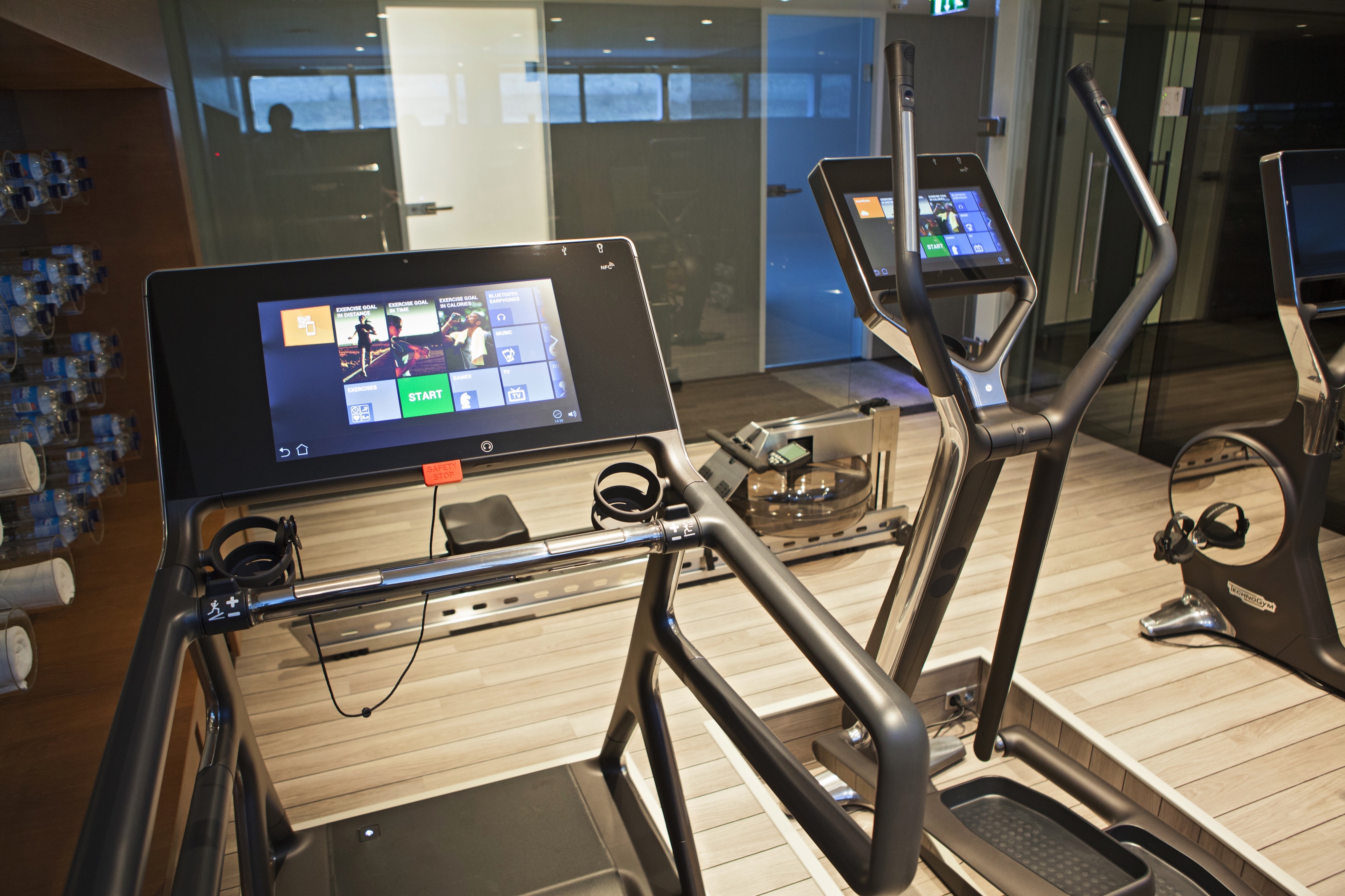
Gym
The gym on board Scenic Spirit is equipped to help with your exercise routine while cruising. Enjoy the use of the bikes, treadmills, cross trainers, free weights and resistance training equipment.
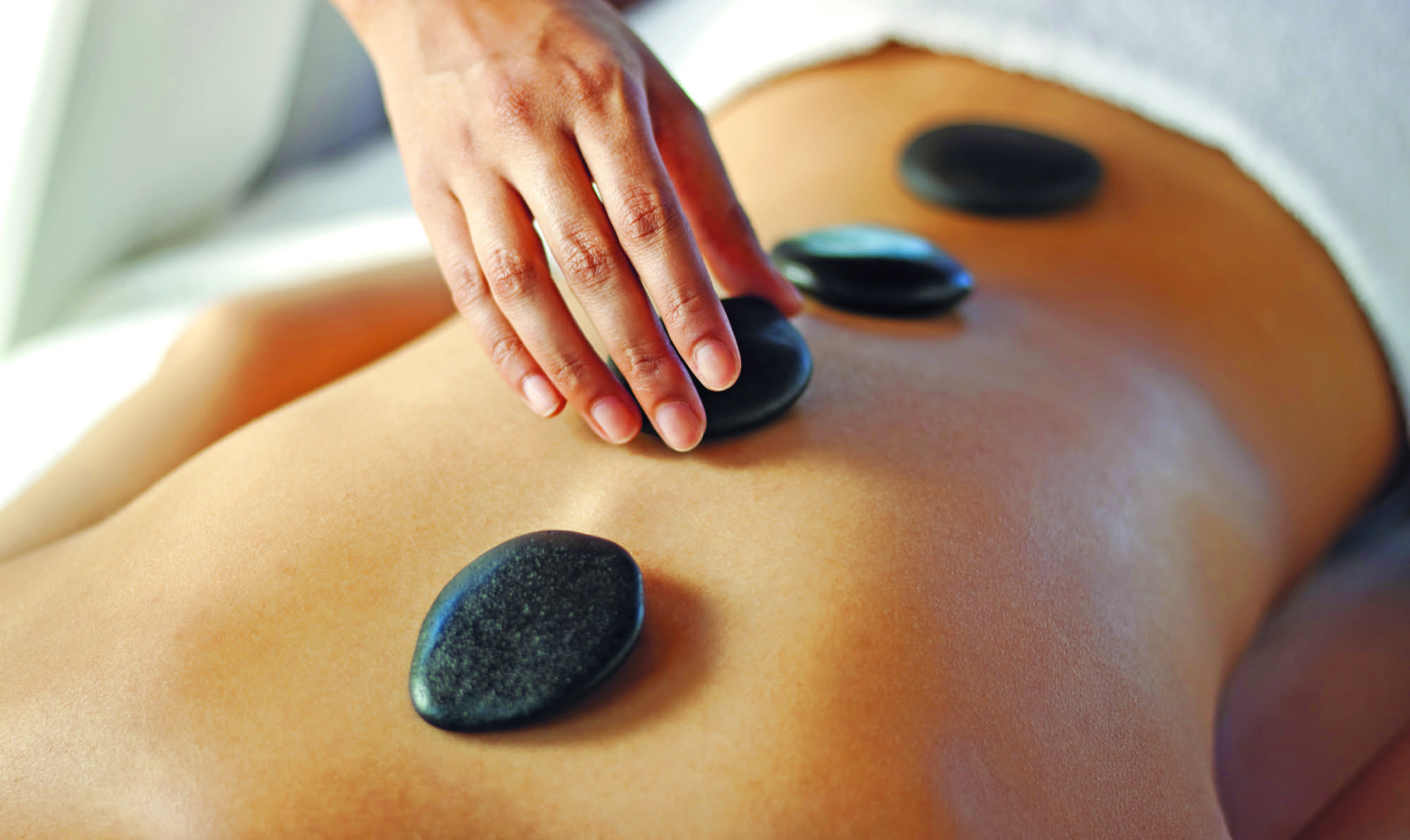
Spa Treatments
The wonderfully relaxing spa in the Wellness Centre will iron out your travel weariness with a wide range of treatments curated to meet your needs. Try a deep tissue traditional Khmer massage or foot reflexology and let our expert wellness staff look after you.
Dress Code
When you are relaxing on board, the dress code is smart casual and comfortable. Do not forget your swimsuits and exercise attire for the heated pools and plunge pools, the wellness areas and the gym, yoga and Pilates studio.
For the evening meal there is no requirement for formal jackets or ties and casual evening attire is welcomed such as open-neck shirt and trousers/dresses. Please note, shorts and thongs are not appropriate for the evening meal on all of our river cruises.
Scenic Enrich events are usually located in grand, historic venues. As such, they can be more formal occasions, and you may wish to dress accordingly. There will also be some entertainment nights that you may wish to dress up for.
Currency onboard
The currency used on board the Scenic Spirit in South East Asia is USD. Visa and Mastercard credit cards are also accepted. (Note: Travelex cash passports, travel money, and AMEX are not accepted).
Wi-Fi
Complimentary Wi-Fi access is available on board some of our vessels. Please be aware that internet access may be limited or non-existent at certain times due to high demand from other users, or proximity to telecommunication services. We cannot guarantee that you will have full Wi-Fi coverage in your suite.
Internet access is available and at no extra charge. However, please note that the internet speed is not broadband, and it is not suitable for downloading large amounts of data. The service is intermittent, with connectivity being variable and impacted by factors such as bridges, locks, and mountains.
Packing Recommendations
There are no specific pieces of clothing we insist you pack, however we can offer advice, based upon your itinerary. We recommend comfortable walking shoes for sightseeing, as well as any garments, such as hats, gloves and water-resistant jackets, which will help you to stay comfortable whatever the weather. The dress code across all Scenic cruise and tour itineraries is casual and comfortable. Dinner attire is smart casual – open-neck shirts, trousers and dresses; you may if you wish wear a jacket or blazer with a tie but it is not required.
Laundry
In Southeast Asia, unlimited self-service laundry is also available throughout whilst on board Scenic Spirit.
Accessibility
We welcome passengers with medical conditions or disabilities and can provide mobility provisions when notified in writing of a person’s needs before boarding. However, please be aware that there may be limitations on board and during excursions. Some of our ships do not have elevators, and where there is an elevator on board it may not access all decks. While collapsible wheelchairs are permitted on board under appropriate circumstances, you must be able to climb up and down stairs on coaches, and some excursions may require you to negotiate cobblestones or climb steps.
In addition, standard suites and bathrooms have significant thresholds and cabin doors which limit access, meaning they may not be wide enough to allow access to many wheelchairs. Please speak to a member of our team about your requirements prior to booking so that we can offer information on mobility and access.
What fitness levels do cruises/tours require?
Due to the amount of excursions available during a Scenic cruise or tour, a reasonable level of fitness is required to take full advantage of each itinerary. You must be physically able and self-sufficient to undertake the cruise or tour you have booked, and/or travel with a companion who is able to provide any assistance you may require during your holiday. Some of the all-inclusive excursions offered require a reasonable level of fitness to complete, and you may be required to climb ramps and/or stairs.
Please also note that not all Scenic ships have a lift. Here is a list of the ships which have an elevator and their restrictions:
– Scenic Space-Ships in Europe have a lift which services the Diamond Deck and Sapphire Deck.
– Scenic Spirit has a lift which services all decks between the Diamond Deck and Gem Deck.
Travel Information
Passport and Visa’s
Scenic cannot arrange a passport or visas on your behalf, but our experienced Reservations Team may be able to advise you on the type of visas and documentation you need when visiting certain countries.
Your passport must be valid for six months beyond the conclusion of your trip. Please check your passport before departure and give yourself time to apply for a new one if this is required. Also, if the nationality on your passport differs from the country in which you currently reside, contact your local consulate to ensure you have the right documents for travel. Your holiday may be disrupted if you cannot provide valid documents at airports and border crossings.
Travel Insurance
Scenic is unable to provide travel insurance. We’d recommend that you arrange insurance cover that best suits you and covers you in the event of unforeseen circumstances. It’s also a good idea to take any documents relating to your insurance with you when you travel.
Unlike standard travel insurance, Cruise Travel Insurance includes cover specific to cruises, such as: cabin confinement, onboard illnesses, medical emergencies whilst cruising, missed port departure cover, and itinerary changes.
Guests may wish to consider arranging travel insurance and can explore options with providers such as AllClear Travel Insurance. AllClear has no upper age limits on cruise policies and can tailor a policy to match your preferences. AllClear can provide Specialist medical cover for over 1,300 medical conditions. Find out more
Other providers can be found at www.BIBA.org.uk.
What validity do I need on my passport?
All guests are required to possess a passport valid for 6 months beyond the conclusion of their trip.
Please note, if your nationality (passport) differs from the country in which you reside, please take the time to check carefully with your local consulates concerning visa and passport requirements for your travels.
Holidays can be disrupted or altered altogether if the correct documents cannot be supplied at airports or borders, so check carefully that you have the required papers.
Health Checks and Vaccinations
If you have a serious medical condition, we recommend consulting your GP before booking with Scenic Luxury Cruises & Tours. If you have any mobility difficulties, you should inform us at the time of booking.
Your GP will provide information regarding any and all vaccinations required to visit any of the destinations on a Scenic itinerary. Alternatively, see the NHS website.
Prior To Travel
Once I’ve booked, what other information do you require?
Once your booking is confirmed, you’ll need to enter your personal details on Trip Personaliser prior to travelling (details on Trip Personaliser will be sent to you).
Required information:
- Personal details
- D.O.B.
- Address
- Contact number
- Next of kin details
- Name
- Relationship
- Contact number
- Passport details
- Full name
- Nationality
- City & country of birth
- Issue & expiry dates
- Passport number
- Country of issue
- Additional details
- Frequent Flyer membership – if applicable
- Airline
- VISA numbers – if applicable
Please note, all guests must complete their Trip Personaliser form prior to travelling. Failure to complete the form may prevent guests sailing with Emerald Cruises.
Do I need to provide Scenic with my health and fitness information prior to travelling?
You will receive a Health and Fitness form in your pre-travel documents, which you have the option to fill out before travelling, with vital information relating to your health. This information will only be used in the event of an emergency and will be returned to you unopened upon the completion of your cruise. While the form isn’t compulsory, we’d strongly recommend that you fill it in.
However, should you have any serious pre-existing medical conditions which could affect your risk of needing medical attention at any point over the course of your trip, you must advise us of this before travel.
Do you offer face-to-face information sessions?
Yes, we do. Our information sessions are the perfect opportunity to find out more about Scenic.
Upcoming information sessions will be promoted on the Scenic website.
Alternatively contact the team on 0161 768 8129 to register your attendance.
Solo Travellers
Are special fares available for solo travellers?
Special fares are available for solo travellers on selected dates only. Please visit our River Cruising Solo Travellers page to plan your trip.
Do you have solo traveller group meet-ups?
Whilst we don’t have specific solo traveler meet-ups, we pride ourselves on the friendly and welcoming experience on board our river cruises. We often hear stories of new lifelong friends made on a Scenic river cruise. Our lounge is the perfect place to make new connections with like-minded travelers.
How do I dine as a solo traveller?
As a solo traveler, you have access to up to five dining options on board your Scenic Space-Ship in Europe or up to four on board Scenic Spirit in Southeast Asia. Each meal is curated by Scenic’s creative chefs in honor of the tradition-rich regions you pass through.
Due to our restaurant’s open seating policy, you are not able to make a reservation prior to embarkation or while on board. Some of our dining venues offer shared experiences. Table La Rive/Table d’Or is a six-course dégustation with a molecular touch and paired wines for 10 guests an evening. This experience is exclusively for Diamond Deck and Junior Suite guests cruising for 10 nights or more, or Royal and Junior Suite guests for cruises nine nights or fewer.
Scenic App
Is there a Scenic App?
Yes, guests travelling on Scenic ocean and river cruises can download the latest version of the Scenic App, to enrich their cruise experience.
What information is available on the app?
The app features interactive ship maps, an enhanced daily program, details on the art collection, ship amenities, dining venues, and up-to-date ship and destination information. Guests can also check-in and enjoy practical tools such as ship finder navigation, location sharing when ashore, and direct contact with ship staff.
Please note: some app features are only accessible when connected to the ship’s Wi-Fi network. Additional exclusive content and functionality become available once you’re on board, so we recommend waiting to explore the app until you’ve boarded your ship.
Will there be any more features or functionality added to the app?
Yes, the app is currently in the first phase of development. We are working to continually enhance the features and functionality available to improve the experience for our guests.
Does the Scenic App provide information for every cruise and tour experience offered by Scenic?
The Scenic App currently contains content for European River cruises only. Additional content for all Scenic River and Ocean cruises will shortly be released, ensuring guests can access details about these journeys. The app does not currently support information for land journeys or city extensions.
When should I download the app?
For the most optimal experience, download the Scenic App just prior to your departure, or when you leave home and use when you have boarded your ship. Some features, including online check-in, become available only within 7 days of your cruise departure.
What should I do once I’ve downloaded the app?
We recommend completing your cruise check-in — available from 7 days prior to departure, or once you’re on board. This will unlock personalised content for your cruise, including the daily program, ship time, current location, and details about your ship and crew.
Do I need internet to use the app?
Yes, the app requires an internet connection. Complimentary Wi-Fi is available on board. However, for connectivity while exploring ashore, please consider getting an international mobile SIM to ensure uninterrupted access.
I’m travelling on multiple back-to-back cruises with Scenic. Can I check in for both cruises?
At this time, only one check-in can be completed at a time (we are continually enhancing the app experience and expect to offer additional check-in options for multi-cruise journeys soon).
I’ve been advised I’ll be joining a different ship due to schedule changes. Will the correct ship appear in the app?
Currently, the Scenic App will display the ship listed in your original booking and documentation (we are planning to provide real-time ship updates in future versions of the app to make your experience even smoother).
Can I download my E-Docs into the app?
Not at the moment, but we’re working to introduce this feature in the future.
Why do I see errors in some of the app features?
Some features are only available once you’ve boarded your cruise and connected to the ship’s Wi-Fi. Before boarding, these areas may appear unavailable or show temporary error messages — this is normal and will resolve once you’re on board.
Medical Facilities
Scenic Space-Ships do not carry medical personnel on board and immediate medical attention cannot always be guaranteed. However, our staff are trained in first aid, and can provide basic medical assistance. Should you need to call medical services, this will be at your own expense. Please be aware that we cannot provide personal escorts for medical visits.
Smoking Policy
Smoking is not permitted in suites or any other indoor area across the Scenic fleet.
Smoking is permitted in specific areas of external decks. However, we cannot guarantee that these facilities will always be available.
Languages
The on board language is English. All staff, crew and tour guides speak English, and all announcements and lectures will be made in English.

Sun Deck
- Sun Deck
- Open Air Cinema
- Elevator

Diamond Deck
- Swimming Pool and Bar
- Royal Panorama Suite Cat RS
- Grand Deluxe Suite Cat RD
- Deluxe Suite Cat A
- Elevator

Sapphire Deck
- Outdoor Lounge
- Spirit Lounge
- River Café
- Deluxe Suite Cat B, BB & BA
- Elevator

Jewel Deck
- Library
- Gift Shop
- Reception
- Crystal Dining
- Gallery
- Deluxe Suite Cat CA & C
- Elevator

Gem Deck
- Wellness Centre
- Steam Sauna
- Beauty Salon
- Gym
- Guest Laundry
- Elevator