Itinerary
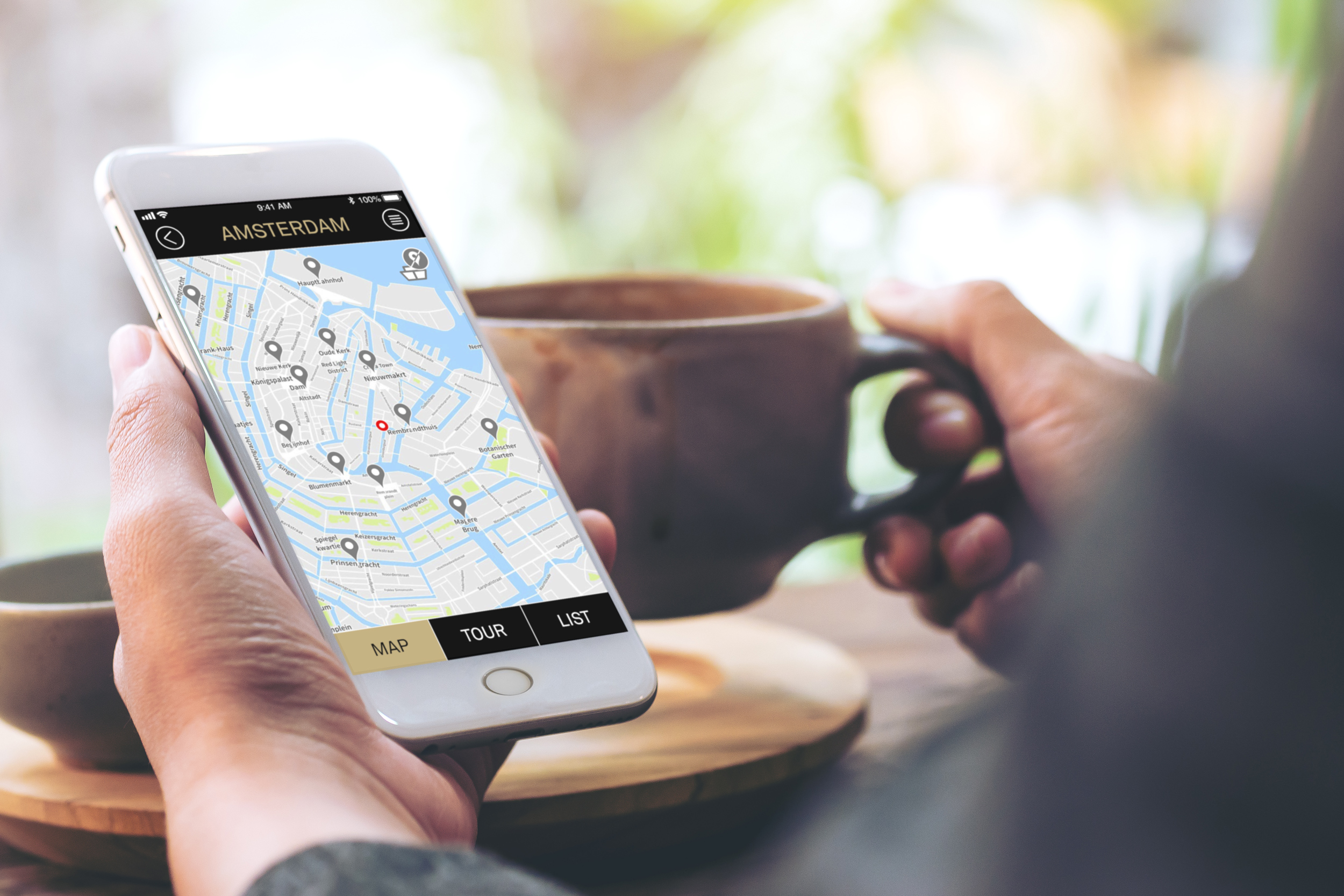
The Hong Kong Island skyline, with its ever-growing number of skyscrapers, speaks to ambition and money. Paris, London, even New York were centuries in the making, while Hong Kong’s towers, bright lights, and glitzy shopping emporia weren’t yet part of the urban scene when many of the young investment bankers who fuel one of the world’s leading financial centers were born. Commerce is concentrated in the glittering high-rises of Central, tucked between Victoria Harbor and forested peaks on Hong Kong Island’s north shore. While it’s easy to think all the bright lights are the sum of today’s Hong Kong, you need only walk or board a tram for the short jaunt west into Western to discover a side of Hong Kong that is more traditionally Chinese but no less high-energy. You’ll discover the real Hong Kong to the east of Central, too, in Wan Chai, Causeway Bay, and beyond. Amid the residential towers are restaurants, shopping malls, bars, convention centers, a nice smattering of museums, and—depending on fate and the horse you wager on—one of Hong Kong’s luckiest or unluckiest spots, the Happy Valley Racecourse. Kowloon sprawls across a generous swath of the Chinese mainland across Victoria Harbour from Central. Tsim Sha Tsui, at the tip of Kowloon peninsula, is packed with glitzy shops, first-rate museums, and eye-popping views of the skyline across the water. Just to the north are the teeming market streets of Mong Kok and in the dense residential neighborhoods beyond, two of Hong Kong’s most enchanting spiritual sights, Wong Tai Sin Temple and Chi Lin Nunnery. As you navigate this huge metropolis (easy to do on the excellent transportation network), keep in mind that streets are usually numbered odd on one side, even on the other. There’s no baseline for street numbers and no block-based numbering system, but street signs indicate building numbers for any given block.
Kaohsiung is Taiwan’s second largest city, its biggest seaport, and the world’s fourth largest container port. It entered the 21st century as a newly emerging international metropolis. In the forefront of Taiwan’s expansion and modernisation efforts are the China Steel Corporation and China Shipbuilding. They are perfect examples of what Taiwan’s export-oriented economy is all about. The Love River, which has seen some recent landscaping, adds to the beauty of the city. Coffee shops along its banks offer good opportunities to view the river’s activities and enjoy a nice breeze. A 495-feet (150 metres)-long urban corridor of light, known as Urban Spotlight, was designed by local artists who wanted to make light and shadows the theme of the hall. The result is an urban space in the Central Park area teeming with artistic vision. A very important event in Taiwan’s recent history occurred here in 1979, and is known as the Kaohsiung Incident. It was the day of the first major human rights celebration on the island. Until that time, the authorities had never allowed any expression of discontent. When the day came, however, the celebration ended in chaos when police encircled the peaceful crowd and started using teargas, and pro-government instigators incited violence. Kuomintang (KMT) authorities used this as an excuse to round up all well-known opposition leaders and imprison them. Although it was hardly noticed internationally, it is recognised locally as an important turning point in the island’s transition to democracy, and it galvanised the Taiwanese people into action.
Nagasaki city has developed into one of the most important port cities in Japan. During Japan’s period of isolation in the 17th century, Nagasaki played a prominent role in foreign trade relation and only a very few ports were open to restricted numbers of foreign traders. Even though Holland was a major country who conducted trading during this period, Dutch people were only allowed to stay in Dejima Island and were not allowed to have contact with the Japanese people. Today, you will still find the strong influence of Dutch and Chinese culture in the city which is very different from all other cities in Japan. In the more recent history, Nagasaki became the second city after Hiroshima to be destroyed by an atomic bomb towards the end of World War II. From the visit to Atomic bomb museum and peace memorial park, people could understand how chaotic the situation was and the agony that the people in the days have experienced from the damage inflicted by the atomic bomb. It continues to appeal to the world with their wish for world peace.
From Minami’s neon-lighted Dotombori and historic Tenno-ji to the high-rise class and underground shopping labyrinths of Kita, Osaka is a city that pulses with its own unique rhythm. Though Osaka has no shortage of tourist sites, it is the city itself that is the greatest attraction. Home to some of Japan’s best food, most unique fashions, and warmest locals, Osaka does not beg to be explored—it demands it. More than anywhere else in Japan, it rewards the impulsive turn down an interesting side street or the chat with a random stranger. People do not come here to see the city, they come to experience it.Excluded from the formal circles of power and aristocratic culture in 16th-century Edo (Tokyo), Osaka took advantage of its position as Japan’s trading center, developing its own art forms such as Bunraku puppet theater and Rakugo comic storytelling. It was in Osaka that feudal Japan’s famed Floating World—the dining, theater, and pleasure district—was at its strongest and most inventive. Wealthy merchants and common laborers alike squandered fortunes on culinary delights, turning Osaka into “Japan’s Kitchen,” a moniker the city still has today. Though the city suffered a blow when the Meiji government canceled all of the samurai class’s outstanding debts to the merchants, it was quick to recover. At the turn of the 20th century, it had become Japan’s largest and most prosperous city, a center of commerce and manufacturing.Today Osaka remains Japan’s iconoclastic metropolis, refusing to fit Tokyo’s norms and expectations. Unlike the hordes of Tokyo, Osakans are fiercely independent. As a contrast to the neon and concrete surroundings, the people of Osaka are known as Japan’s friendliest and most outgoing. Ask someone on the street for directions in Tokyo and you are lucky to get so much as a glance. Ask someone in Osaka and you get a conversation.The main areas of the city, Kita (north) and Minami (south), are divided by two rivers: the Dojima-gawa and the Tosabori-gawa. Between Kita and Minami is Naka-no-shima, an island and the municipal center of Osaka. Kita (north of Chuo Dori) is Osaka’s economic hub and contains Osaka’s largest stations: JR Osaka and Hankyu Umeda. The area is crammed with shops, department stores, and restaurants. Nearby are a nightlife district, Kita-shinchi; Naka-no-shima and the Museum of Oriental Ceramics; Osaka-jo (Osaka Castle); and Osaka Koen (Osaka Park). Restaurants, bars, department stores, and boutiques attract Osaka’s youth to Minami (south Chuo Dori); theatergoers head to the National Bunraku Theatre and electronics-lovers to Den Den Town. For a glimpse of old Osaka, visit Tenno-ji Temple and Shin Sekai. The main stations are Namba, Shin-sai-bashi, Namba Nankai, and Tenno-ji. There’s easy access to the Municipal Museum of Fine Art and Sumiyoshi Taisha (Sumiyoshi Grand Shrine).The bay area, to the west of the city center, is home to the Osaka Aquarium and Universal Studios Japan. The Shinkansen stops at Shin-Osaka, three stops (about five minutes) north of Osaka Station on the Mido-suji subway line. To the north of Shin-Osaka is Senri Expo Park.
Lights, sushi, manga! Sprawling, frenetic, and endlessly fascinating, Japan’s capital is a city of contrasts. Shrines and gardens are pockets of calm between famously crowded streets and soaring office buildings. Mom-and-pop noodle houses share street space with Western-style chain restaurants and exquisite fine dining. Shopping yields lovely folk arts as well as the newest electronics. And nightlife kicks off with karaoke or sake and continues with techno clubs and more. Whether you seek the traditional or the cutting edge, Tokyo will provide it.
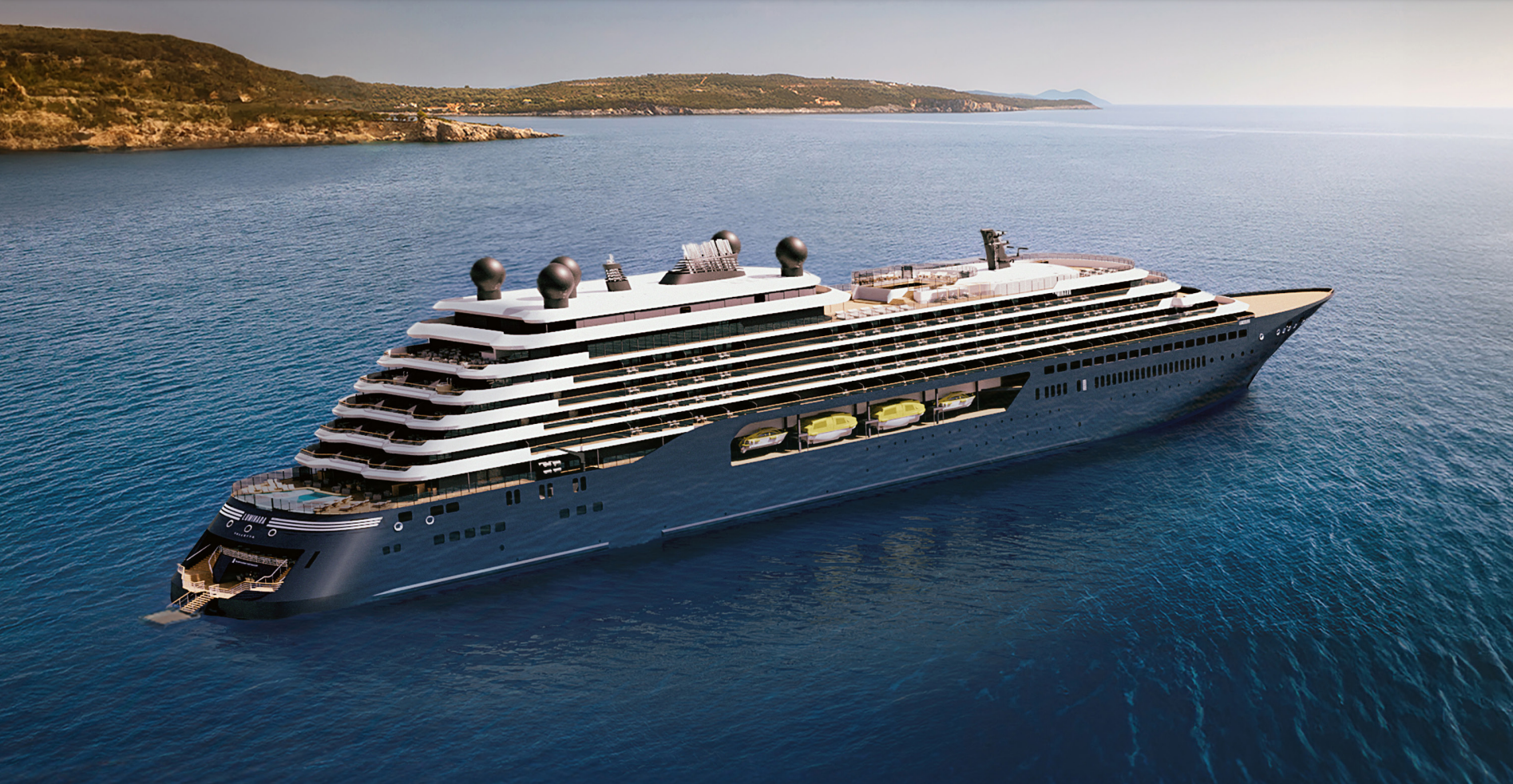
Ship features

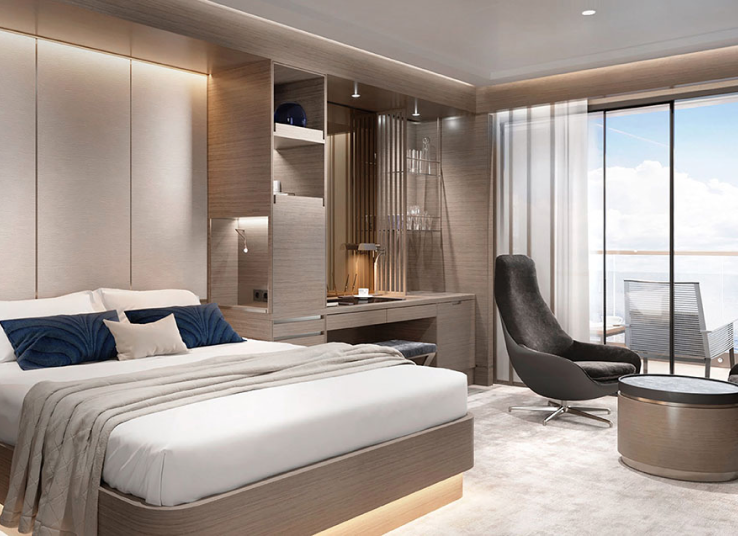
Owner's Suite
MAGNIFICENT OCEAN VIEWS
- Dramatic floor to ceiling glass throughout
- Private, spacious terrace overlooking the ocean
SPACIOUS SUITE ACCOMMODATIONS
- Luxurious and modern living and dining area
- Luxury custom king bed sleep system
- Double vanity bathroom
PERSONALIZED SERVICE AND AMENITIES
- Your Suite Ambassador delivers attentive, anticipatory service for a personalized in-suite experience tailored to your preferences, from unpacking assistance and garment pressing to in-suite dining and beverages.
- 24-hour in-suite dining, espresso machine, complimentary coffee and teas and a mini-bar provisioned to your preferences, upon request once on boards
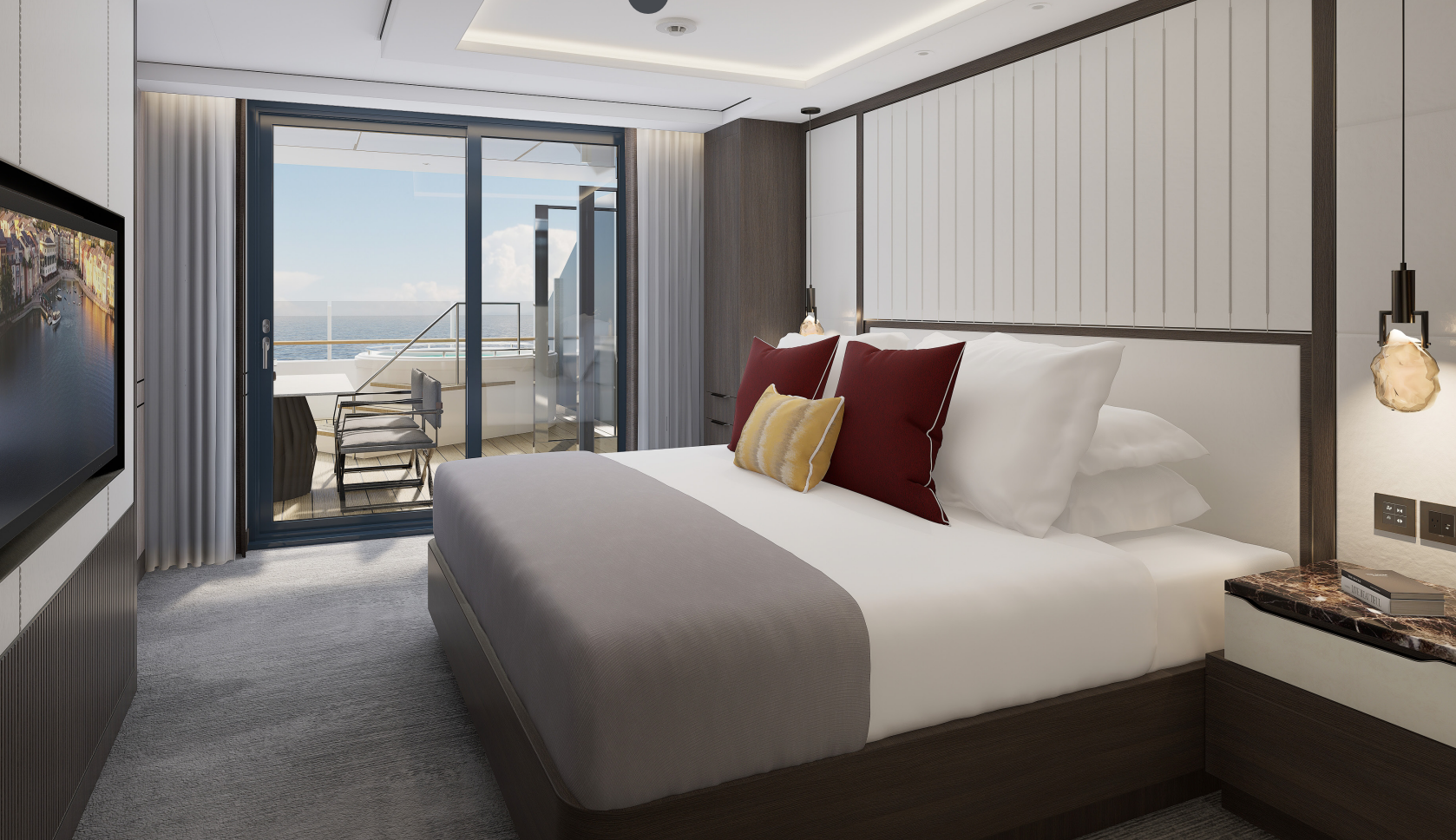
The Concierge Suite
MAGNIFICENT OCEAN VIEWS
- Private, spacious terrace overlooking the ocean, with outdoor shower and entry from living area and bedroom
SPACIOUS SUITE ACCOMMODATIONS
- Luxurious and modern living and dining area
- Luxury custom king bed sleep system
- Double vanity bathroom with modern soaking tub and separate shower
PERSONALIZED SERVICE AND AMENITIES
- 24-hour in-suite dining, espresso machine, complimentary coffee and teas and a minibar provisioned to your preferences, upon request once on board
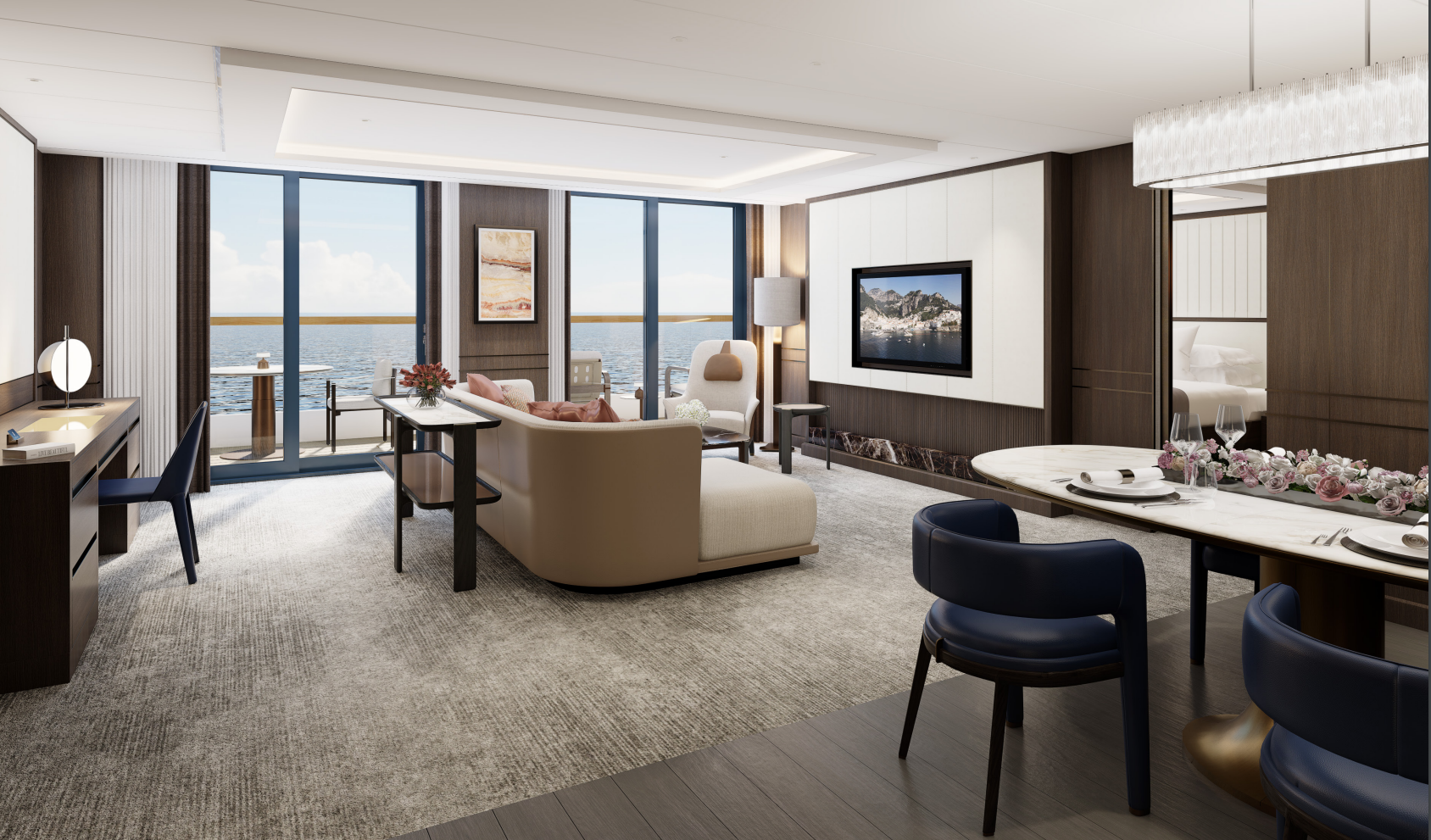
The Residential Suite
MAGNIFICENT OCEAN VIEWS
- Private, spacious terrace overlooking the ocean, with entry from living area and bedroom
SPACIOUS SUITE ACCOMMODATIONS
- Luxurious and modern living and dining area
- Luxury custom king bed sleep system
- Double vanity bathroom with modern soaking tub and separate shower
PERSONALIZED SERVICE AND AMENITIES
- 24-hour in-suite dining, espresso machine, complimentary coffee and teas and a minibar provisioned to your preferences, upon request once on board
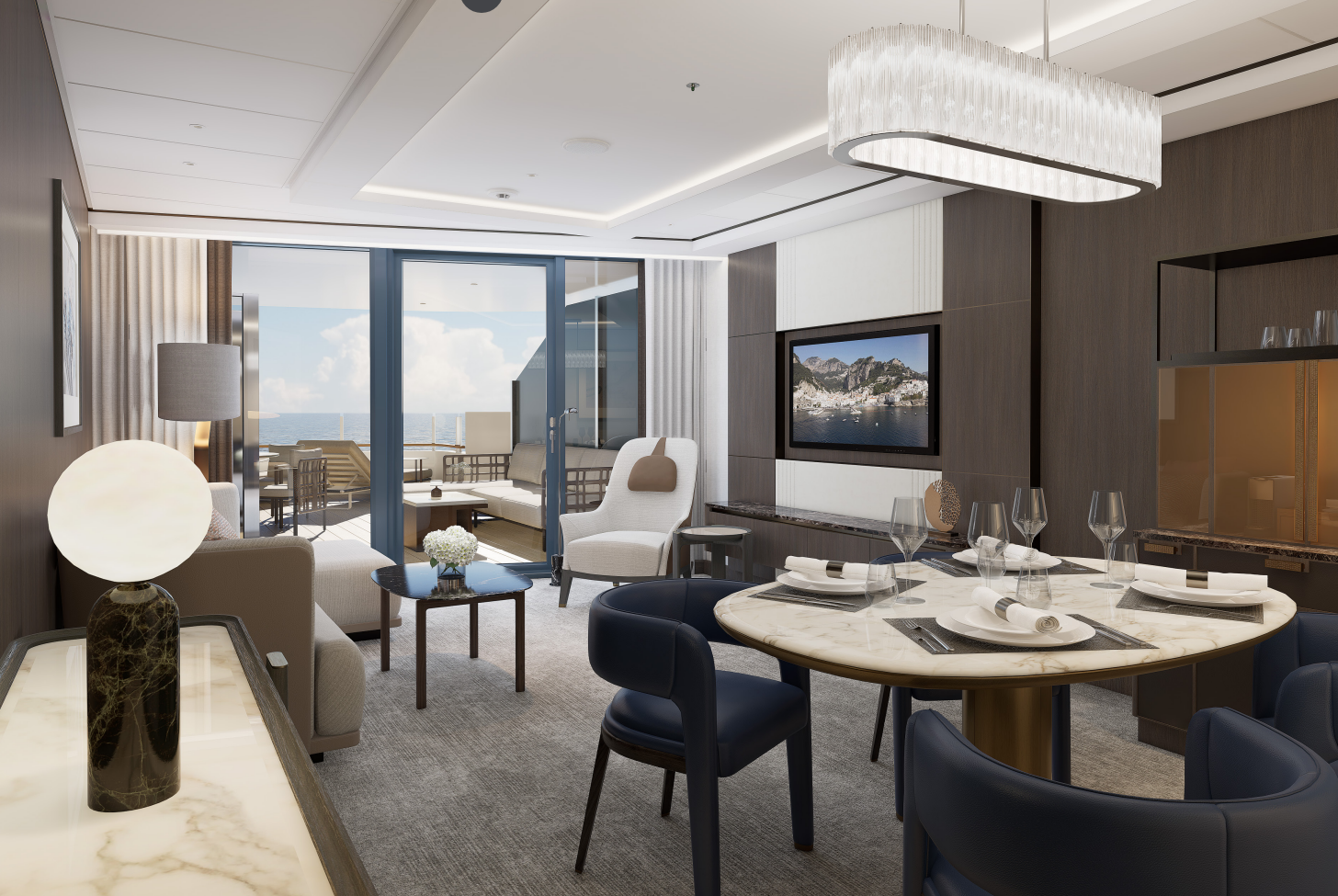
The Luminara Suite
MAGNIFICENT OCEAN VIEWS
- Dramatic floor to ceiling glass throughout
- Private, spacious terrace overlooking the ocean
SPACIOUS SUITE ACCOMMODATIONS
- Luxurious and modern living and dining area
- Luxury custom king bed sleep system
- Double vanity bathroom
PERSONALIZED SERVICE AND AMENITIES
- 24-hour in-suite dining, espresso machine, complimentary coffee and teas and a mini-bar provisioned to your preferences, upon request once on boards
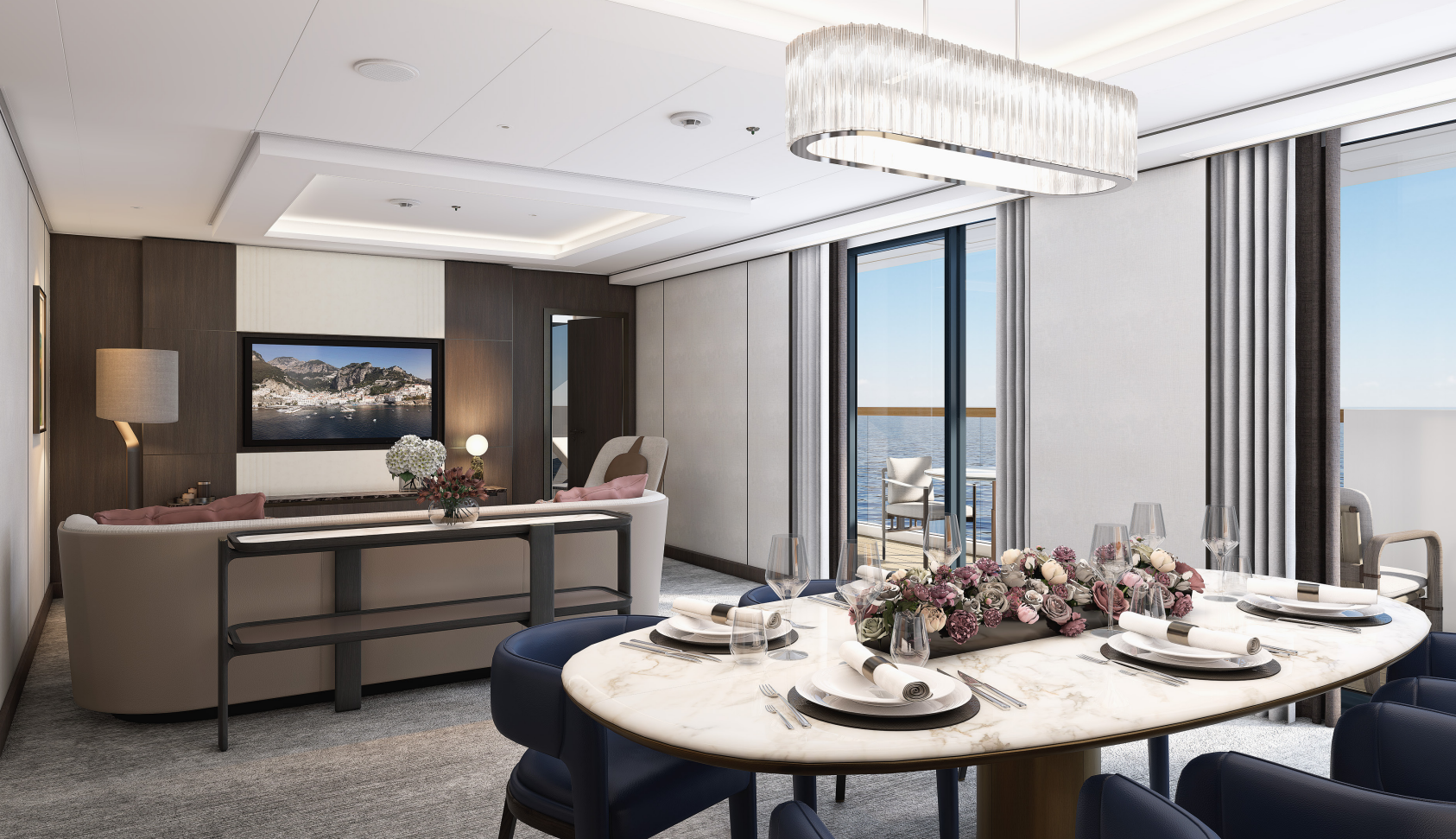
The View Suite
MAGNIFICENT OCEAN VIEWS
- Dramatic floor to ceiling glass throughout
- Private, spacious terrace overlooking the ocean
SPACIOUS SUITE ACCOMMODATIONS
- Luxurious and modern living and dining area
- Luxury custom king bed sleep system
- Double vanity bathroom
PERSONALIZED SERVICE AND AMENITIES
- 24-hour in-suite dining, espresso machine, complimentary coffee and teas and a mini-bar provisioned to your preferences, upon request once on boards
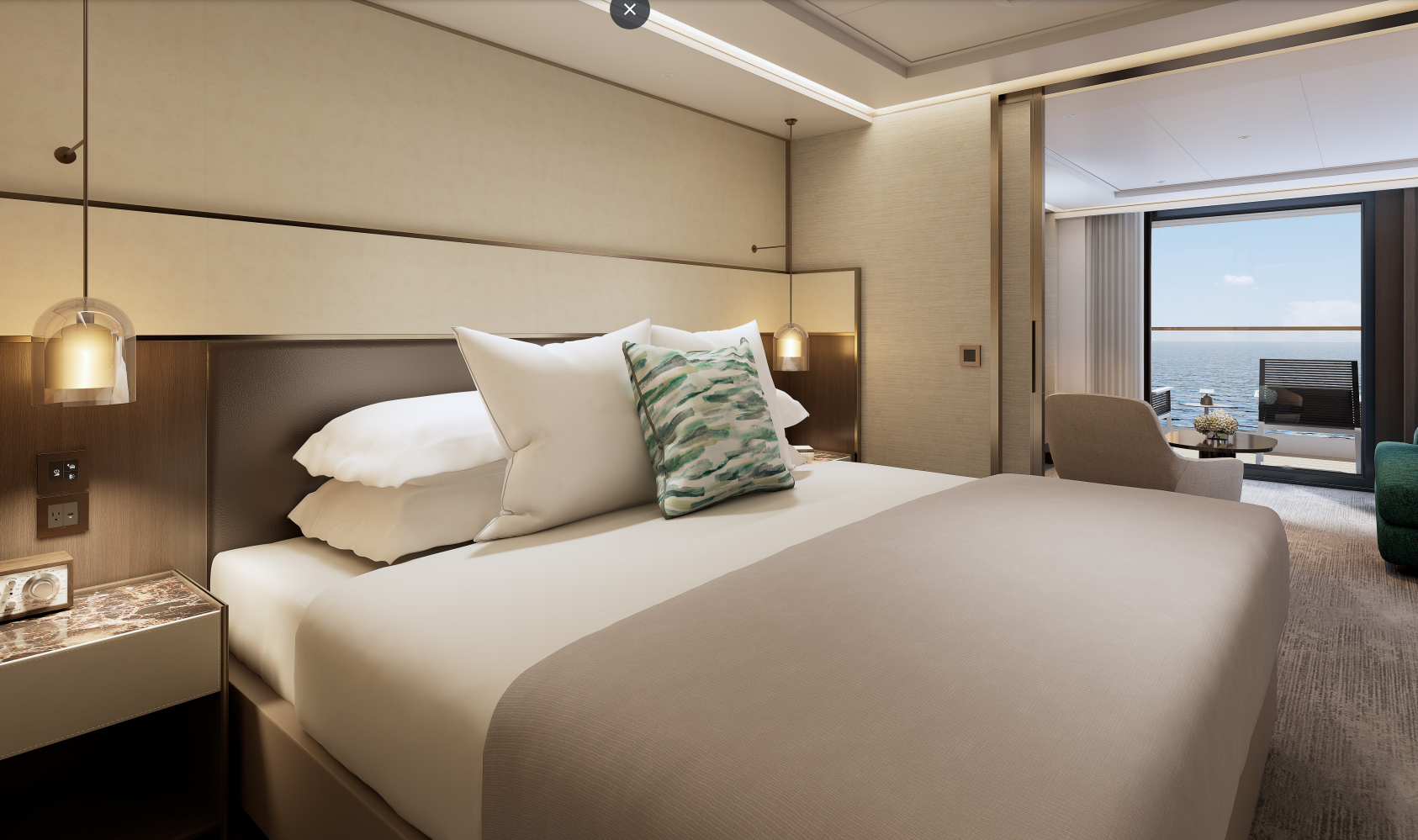
The Grand Suite
MAGNIFICENT OCEAN VIEWS
- Dramatic floor to ceiling glass throughout
- Private, spacious terrace overlooking the ocean
SPACIOUS SUITE ACCOMMODATIONS
- Luxurious and modern living and dining area
- Luxury custom king bed sleep system
- Double vanity bathroom
PERSONALIZED SERVICE AND AMENITIES
24-hour in-suite dining, espresso machine, complimentary coffee and teas and a mini-bar provisioned to your preferences, upon request once on boards

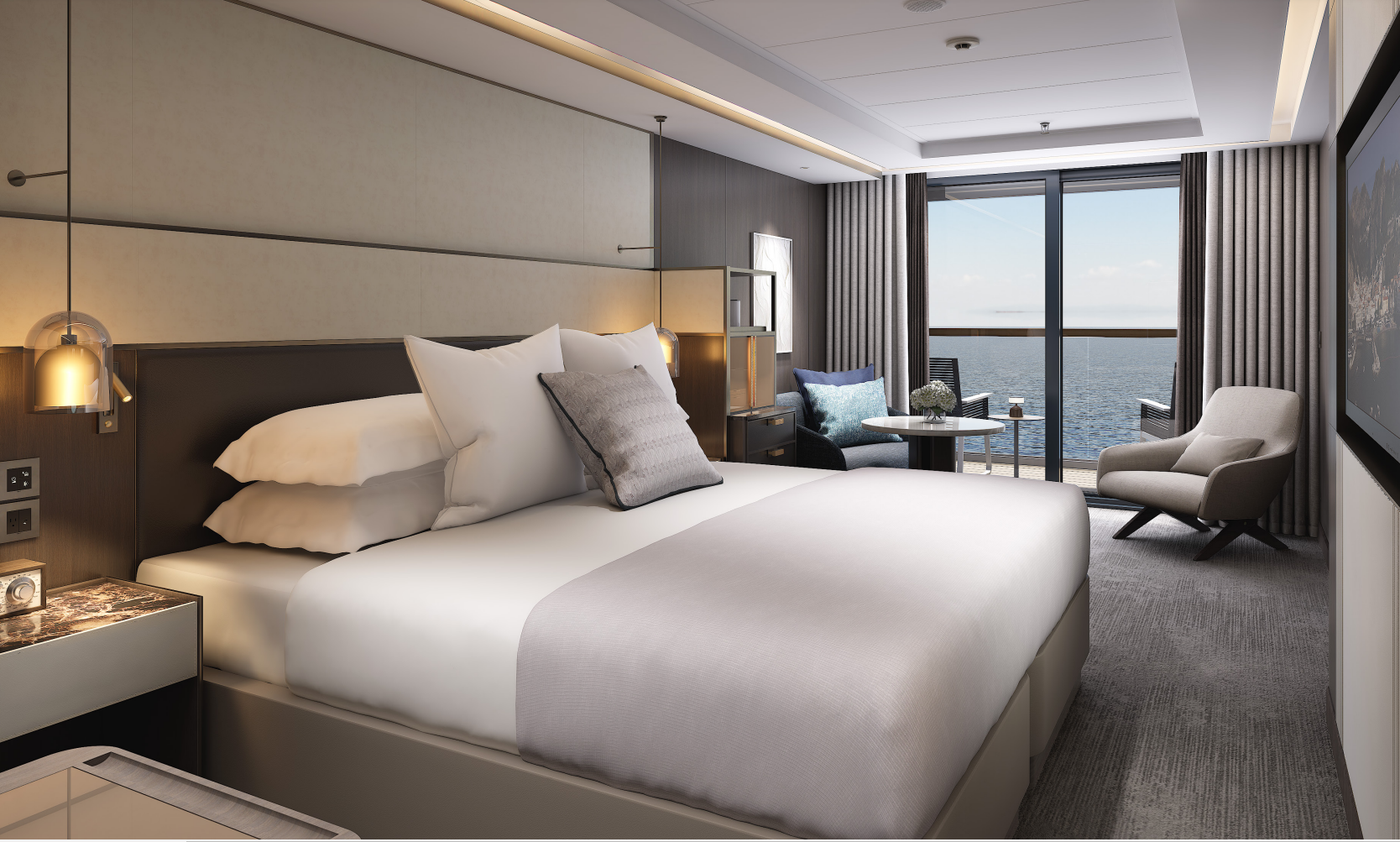
The Signature Suite
MAGNIFICENT OCEAN VIEWS
Private terrace overlooking the ocean
SPACIOUS SUITE ACCOMMODATIONS
- Luxurious and modern living and dining area
- Luxury custom king bed sleep system
- Double vanity bathroom with modern soaking tub and separate shower
PERSONALIZED SERVICE AND AMENITIES
- 24-hour in-suite dining, espresso machine, complimentary coffee and teas and a minibar provisioned to your preferences, upon request once on board
The Terrace Suite
MAGNIFICENT OCEAN VIEWS
Private terrace overlooking the ocean
SPACIOUS SUITE ACCOMMODATIONS
- Luxury custom king bed sleep system
- Double vanity bathroom with modern shower system
PERSONALIZED SERVICE AND AMENITIES
- 24-hour in-suite dining, espresso machine, complimentary coffee and teas and a minibar provisioned to your preferences, upon request once on board
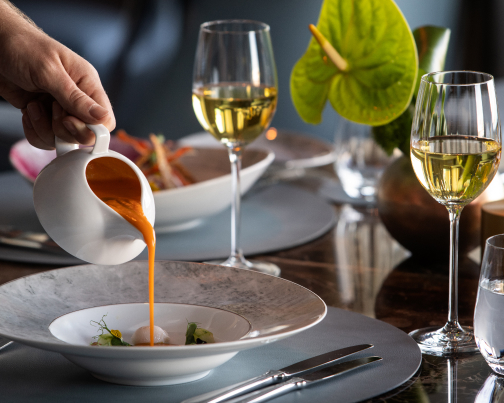
Azur On Luminara
Designed with an inviting balance of privacy and connection, Azur is the spacious main restaurant aboard Luminara. Intimate seating, warm lighting and a relaxed sense of ease set the tone for quiet meals or shared moments. Evolving menus draw on regional flavors and seasonal ingredients for dining with connection to the destinations.

Dining Privée
Dining Privée is an intimate enclave within Azur, ideal for celebratory dinners, hosted gatherings or an evening with friends. Soft lighting and refined finishes create a warm, contemporary ambiance. Curated menus reflect the seasonal approach and regions explored aboard Luminara, offering a personal, elevated private dining experience.
Charges apply.
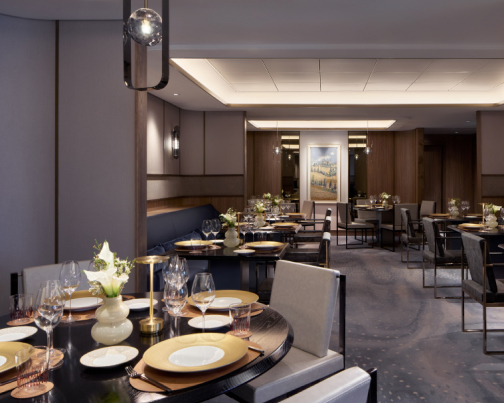
Seta Su Luminara
Created with Michelin-starred Chef Fabio Trabocchi, Seta Su Luminara offers a contemporary expression of Italian cuisine that feels both rooted and modern. Fresh seafood, prime cuts and handmade pastas highlight pristine ingredients, complemented by thoughtful wine pairings. Warm breads, fine olive oils and seasonal truffles complete an intimate, elevated dining experience.
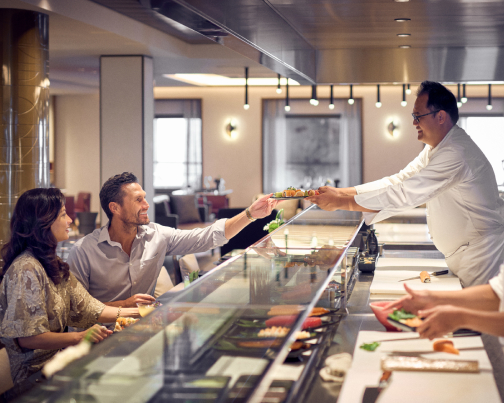
Haesu Bit
Haesu Bit is a vibrant, contemporary venue where Asian flavors are reimagined with thoughtful craft. A central sushi bar showcases precise artistry, while indoor and open-air seating suit leisurely lunches or intimate dinners. Drawing from Japanese, Vietnamese, Thai, Korean and Cantonese traditions, the menu offers fresh sushi, aromatic bowls and expertly cooked Wagyu in a setting designed for discovery.
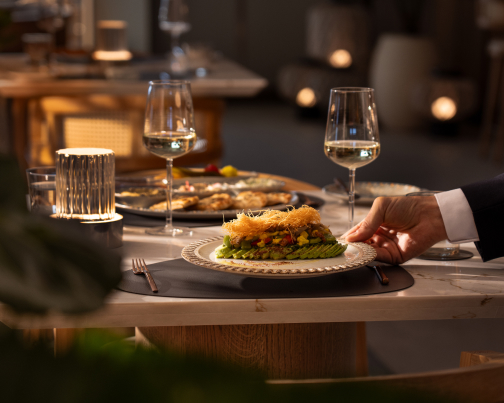
Beach House
Beach House blends bright, airy interiors with an expansive pool deck, creating an effortless setting for Middle Eastern–inspired cuisine. Developed with Michelin-starred Chef Michael Mina, the menu highlights vibrant spices and light, refreshing shareable dishes paired with craft beers, bold wines and an elevated tequila selection, as well as specialty cocktails and mocktails.
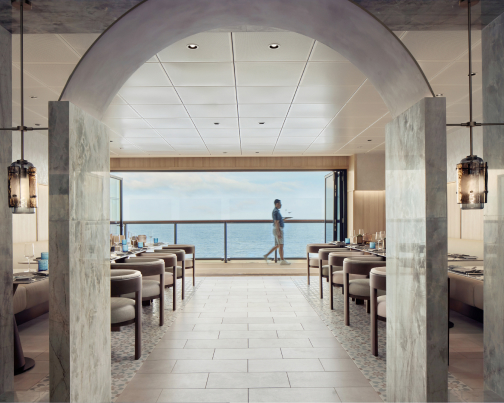
Mistral
Mistral welcomes guests for relaxed lunches or romantic dinners al fresco. Its Mediterranean-inspired menu highlights fresh local catches, handmade pastas, crisp salads, and grilled prime cuts. With spacious indoor and outdoor seating and views that mirror the surrounding sea and sky, it’s one of the yacht’s most inviting settings for dining.
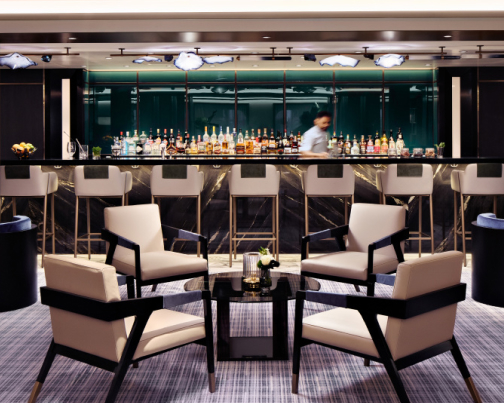
The Living Room
The Living Room Café and Bar is a warm, inviting gathering place throughout the day. Mornings begin with freshly roasted coffee and pastries at the espresso counter, while daytime brings treats ideal for moments between activities. As evening settles in, the space offers a relaxed setting for a quiet drink or light bite.
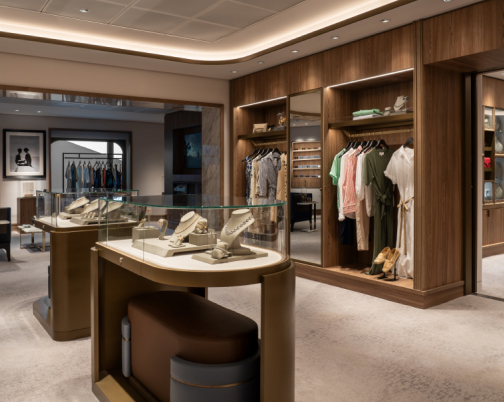
The Boutique
The Boutique features a curated selection of high-end sportswear, designer apparel, jewelry and leather goods, offering guests the opportunity to explore thoughtfully chosen pieces throughout their journey. On select voyages, the shopping experience is enhanced by exclusive collaborations with local artisans who share their craft and present distinctive creations inspired by the regions visited.
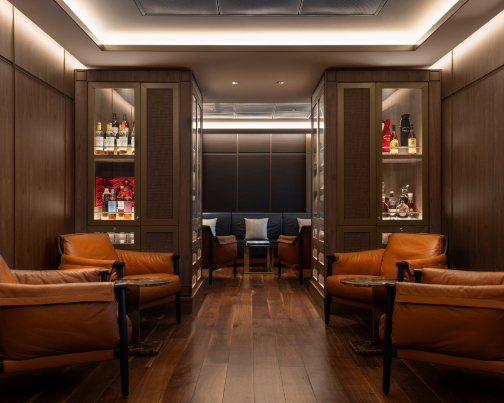
The Humidor
The Humidor is an intimate, quietly sophisticated setting for unhurried moments at day’s end. Guests can enjoy fine cognacs, single malts and other aged spirits while exploring a curated selection of hand-rolled cigars showcased in a state-of-the-art humidor. Warm and nuanced, it’s a welcoming place for reflection or relaxed conversation.
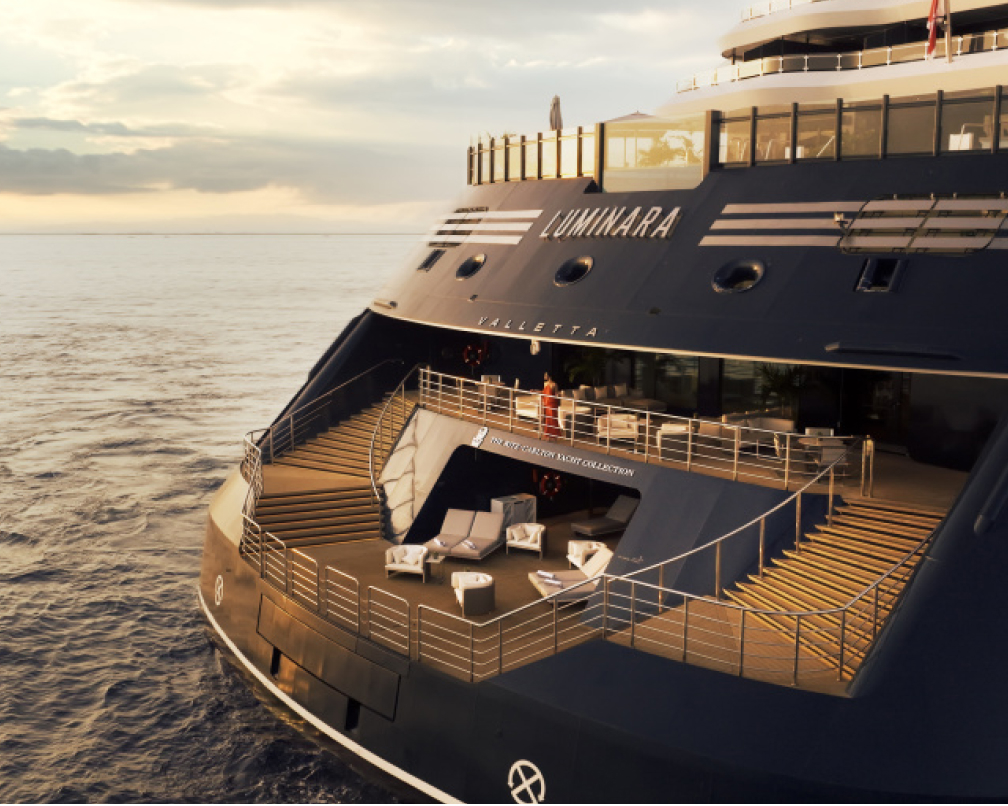
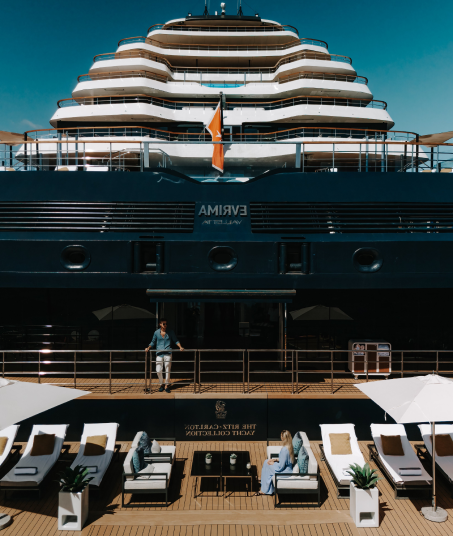
Marina Terrace
Nestled at the water’s edge, the Marina offers an inviting place to unwind while at anchor, with sun loungers and an exciting selection of water toys for time on the sea. Just above, the Marina Terrace provides a refined open-air setting for handcrafted cocktails and light bites, creating an effortless transition from water activities to leisurely afternoons overlooking the horizon.
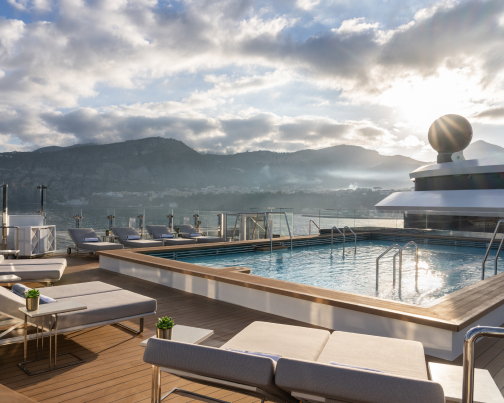
The Main Pool & Pool Bar
The Pool offers panoramic views and a relaxed setting for unwinding throughout the day. Guests can enjoy all-day dining, frozen treats and drinks from the nearby bar, or settle into sunbeds, banquettes, tanning ledges and whirlpools. Gentle misting sprays add a cooling touch, while generous sundecks invite reading, resting or simply taking in the sea and sky.
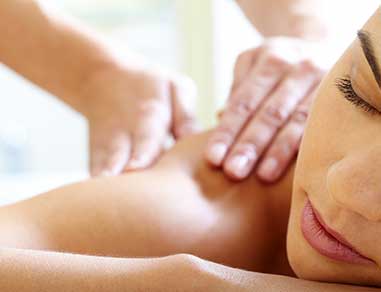
The Ritz-Carlton Spa®
Unwind with expert massages, restorative facials and globally inspired treatments in a tranquil setting designed for ease and renewal. The spa invites guests to slow down, relax and immerse themselves in soothing aromas, calming rituals and thoughtful care that enhance every journey.
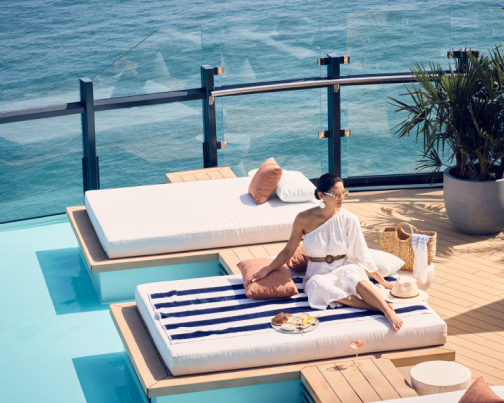
Beach House Pool
The Beach House Pool offers a relaxed, sun-dappled setting just steps from the water, ideal for unwinding before or after a meal. Comfortable loungers, gentle breezes and easy access to light bites and refreshing drinks create a leisurely rhythm throughout the day. Smaller and more intimate than the main pool, it provides a calm retreat for reading, resting, or enjoying quiet moments outdoors.
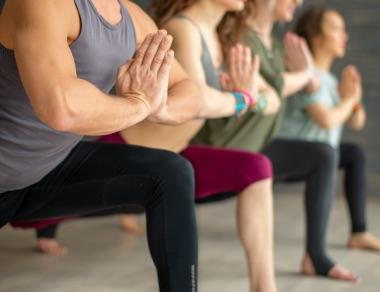
The Fitness Studio
The Fitness Studio offers a holistic approach to wellbeing, with personalized guidance, movement-focused programming and optional lectures that support a healthy voyage. A selection of Technogym equipment enables familiar routines or new forms of exercise, all within a calm, contemporary setting designed for strengthening, stretching and reconnecting with the body.

Barber & Salon Services
The Salon offers a variety of beauty and hair services including manicure and pedicure treatments, hair consultations, cutting, styling and blow drying. Next door at The Barber, gentlemen can enjoy a close shave or invigorating facial before heading ashore to explore the port feeling refreshed and revitalised.
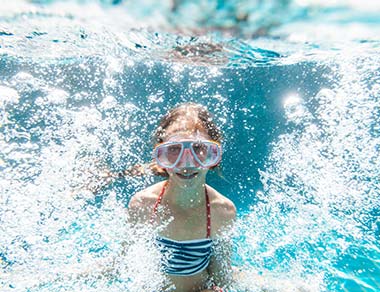
Ritz Kids®
Ritz Kids® is a dedicated program for families designed to inspire curiosity and creativity. Guided by engaging, age-appropriate activities, children can learn about the natural world and enjoy time with new friends. With its bright, inviting environment and attentive supervision, Ritz Kids® provides young travelers with a place to discover, play and connect.

Deck 10
- Mistral
- Mistral Bar
- The Pool
- The Pool Bar
- Sun Deck

Deck 9
- Art Bar
- The Owner’s Suite
- The Concierge Suite
- The Grand Suite
- The Signature Mid Suite
- The Signature Suite
- The Terrace Mid Suite
- The Terrace Suite

Deck 8
- The Owners Suite
- The Concierge Suite
- The Grand Suite
- The Signature Mid Suite
- The Signature Suite
- The Terrace Mid Suites
- The Terrace Mid Suite

Deck 7
- The Owner’s Suite
- The Concierge Suite
- The Residential Suite
- The View Suites
- The Grand Suites
- The Signature Mid Suites
- The Signature Suites
- The Terrace Mid Suites
- The Terrace Suites

Deck 6
- The Concierge Suite
- The Luminara Suite
- The Grand Suite
- The Signature Mid Suite
- The Signature Suite
- The Terrace Mid Suite
- The Terrace Suite

Deck 5
- The Living Room
- Beach House
- Infinity Pool
- The Humidor
- The Boutique
- Terrace Suites
- The Pool

Deck 4
- The Ritz Carlton Spa
- Haesu Bit
- The Fitness Studio
- Women Steam and Sauna
- Men Steam and Sauna
- The Relaxation Room
- Launderette
- The Barber
- The Salon
- The Cove
- Guest Services

Deck 3
- The Marina Terrace
- The Marina
- SETA SU Luminara
- AZUR on Luminara
- Dining Privee
- Wine Vault
- Medical Centre