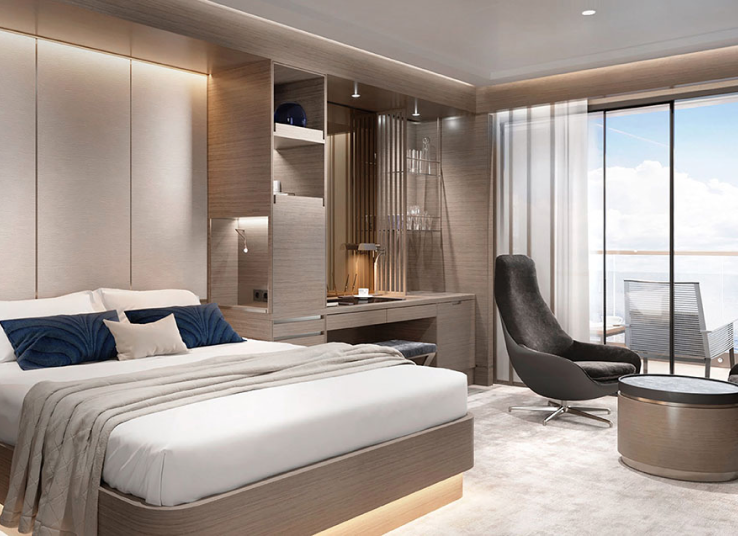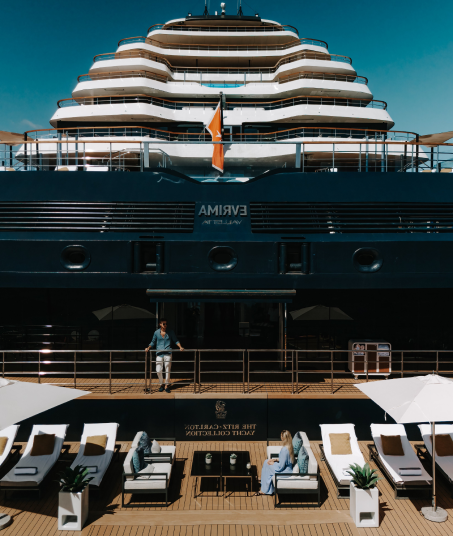

Itinerary
Venice is a city unlike any other. No matter how often you’ve seen it in photos and films, the real thing is more dreamlike than you could imagine. With canals where streets should be, water shimmers everywhere. The fabulous palaces and churches reflect centuries of history in what was a wealthy trading center between Europe and the Orient. Getting lost in the narrow alleyways is a quintessential part of exploring Venice, but at some point you’ll almost surely end up in Piazza San Marco, where tourists and locals congregate for a coffee or an aperitif.
The Croatian island of Hvar bills itself as the “sunniest island in the Adriatic.” Not only does it have the figures to back up this claim—an annual average of 2,724 hours of sunshine—but it also makes visitors a sporting proposition, offering them a money-back guarantee if there are seven consecutive days of snow (snow has been known to fall here; the last time being February 2012).
Backed by imposing mountains, tiny Kotor lies hidden from the open sea, tucked into the deepest channel of the Bokor Kotorska (Kotor Bay), which is Europe’s most southerly fjord. To many, this town is more charming than its sister UNESCO World Heritage Site, Dubrovnik, retaining more authenticity, but with fewer tourists and spared the war damage and subsequent rebuilding which has given Dubrovnik something of a Disney feel.Kotor’s medieval Stari Grad (Old Town) is enclosed within well-preserved defensive walls built between the 9th and 18th centuries and is presided over by a proud hilltop fortress. Within the walls, a labyrinth of winding cobbled streets leads through a series of splendid paved piazzas, rimmed by centuries-old stone buildings. The squares are now haunted by strains from buskers but although many now house trendy cafés and chic boutiques, directions are still given medieval-style by reference to the town’s landmark churches.In the Middle Ages, as Serbia’s chief port, Kotor was an important economic and cultural center with its own highly regarded schools of stonemasonry and iconography. From 1391 to 1420 it was an independent city-republic and later, it spent periods under Venetian, Austrian, and French rule, though it was undoubtedly the Venetians who left the strongest impression on the city’s architecture. Since the breakup of Yugoslavia, some 70% of the stone buildings in the romantic Old Town have been snapped up by foreigners, mostly Brits and Russians. Porto Montenegro, a new marina designed to accommodate some of the world’s largest super yachts, opened in nearby Tivat in 2011, and along the bay are other charming seaside villages, all with better views of the bay than the vista from Kotor itself where the waterside is congested with cruise ships and yachts. Try sleepy Muo or the settlement of Prčanj in one direction around the bay, or Perast and the Roman mosaics of Risan in the other direction.
Nothing can prepare you for your first sight of Dubrovnik. Lying 216 km (135 miles) southeast of Split and commanding a jaw-dropping coastal location, it is one of the world’s most beautiful fortified cities. Its massive stone ramparts and fortress towers curve around a tiny harbor, enclosing graduated ridges of sun-bleached orange-tiled roofs, copper domes, and elegant bell towers. Your imagination will run wild picturing what it looked like seven centuries ago when the walls were built, without any suburbs or highways around it, just this magnificent stone city rising out of the sea.In the 7th century AD, residents of the Roman city Epidaurum (now Cavtat) fled the Avars and Slavs of the north and founded a new settlement on a small rocky island, which they named Laus, and later Ragusa. On the mainland hillside opposite the island, the Slav settlement called Dubrovnik grew up. In the 12th century the narrow channel separating the two settlements was filled in (now the main street through the Old Town, called Stradun), and Ragusa and Dubrovnik became one. The city was surrounded by defensive walls during the 13th century, and these were reinforced with towers and bastions in the late 15th century.From 1358 to 1808 the city thrived as a powerful and remarkably sophisticated independent republic, reaching its golden age during the 16th century. In 1667 many of its splendid Gothic and Renaissance buildings were destroyed by an earthquake. The defensive walls survived the disaster, and the city was rebuilt in baroque style.Dubrovnik lost its independence to Napoléon in 1808, and in 1815 passed to Austria-Hungary. During the 20th century, as part of Yugoslavia, the city became a popular tourist destination, and in 1979 it was listed as a UNESCO World Heritage Site. During the war for independence, it came under heavy siege. Thanks to careful restoration, few traces of damage remain; however, there are maps inside the Pile and Ploče Gates illustrating the points around the city where damage was done. It’s only when you experience Dubrovnik yourself that you can understand what a treasure the world nearly lost
Oraia (beautiful) is the word Greeks use to describe Nafplion. The town’s old section, on a peninsula jutting into the gulf of Argos, mixes Greek, Venetian, and Turkish architecture; narrow streets, often just broad flights of stone stairs, climb the slopes beneath the walls of Acronafplia. Tree-shaded plazas surround neoclassic buildings. The Palamidi fortress—an elegant display of Venetian might from the early 1700s—guards the town. Nafplion deserves at least a leisurely day of your undivided attention, and you may want to spend several days or a week here and use the city as the base from which to explore the many surrounding ancient sights.
It’s no wonder that all roads lead to the fascinating and maddening metropolis of Athens. Lift your eyes 200 feet above the city to the Parthenon, its honey-color marble columns rising from a massive limestone base, and you behold architectural perfection that has not been surpassed in 2,500 years. But, today, this shrine of classical form dominates a 21st-century boomtown. To experience Athens—Athína in Greek—fully is to understand the essence of Greece: ancient monuments surviving in a sea of cement, startling beauty amid the squalor, tradition juxtaposed with modernity. Locals depend on humor and flexibility to deal with the chaos; you should do the same. The rewards are immense. Although Athens covers a huge area, the major landmarks of the ancient Greek, Roman, and Byzantine periods are close to the modern city center. You can easily walk from the Acropolis to many other key sites, taking time to browse in shops and relax in cafés and tavernas along the way. From many quarters of the city you can glimpse “the glory that was Greece” in the form of the Acropolis looming above the horizon, but only by actually climbing that rocky precipice can you feel the impact of the ancient settlement. The Acropolis and Filopappou, two craggy hills sitting side by side; the ancient Agora (marketplace); and Kerameikos, the first cemetery, form the core of ancient and Roman Athens. Along the Unification of Archaeological Sites promenade, you can follow stone-paved, tree-lined walkways from site to site, undisturbed by traffic. Cars have also been banned or reduced in other streets in the historical center. In the National Archaeological Museum, vast numbers of artifacts illustrate the many millennia of Greek civilization; smaller museums such as the Goulandris Museum of Cycladic Art Museum and the Byzantine and Christian Museum illuminate the history of particular regions or periods. Athens may seem like one huge city, but it is really a conglomeration of neighborhoods with distinctive characters. The Eastern influences that prevailed during the 400-year rule of the Ottoman Empire are still evident in Monastiraki, the bazaar area near the foot of the Acropolis. On the northern slope of the Acropolis, stroll through Plaka (if possible by moonlight), an area of tranquil streets lined with renovated mansions, to get the flavor of the 19th-century’s gracious lifestyle. The narrow lanes of Anafiotika, a section of Plaka, thread past tiny churches and small, color-washed houses with wooden upper stories, recalling a Cycladic island village. In this maze of winding streets, vestiges of the older city are everywhere: crumbling stairways lined with festive tavernas; dank cellars filled with wine vats; occasionally a court or diminutive garden, enclosed within high walls and filled with magnolia trees and the flaming trumpet-shaped flowers of hibiscus bushes. Formerly run-down old quarters, such as Thission, Gazi and Psirri, popular nightlife areas filled with bars and mezedopoleia (similar to tapas bars), are now in the process of gentrification, although they still retain much of their original charm, as does the colorful produce and meat market on Athinas. The area around Syntagma Square, the tourist hub, and Omonia Square, the commercial heart of the city about 1 km (½ mi) northwest, is distinctly European, having been designed by the court architects of King Otho, a Bavarian, in the 19th century. The chic shops and bistros of ritzy Kolonaki nestle at the foot of Mt. Lycabettus, Athens’s highest hill (909 feet). Each of Athens’s outlying suburbs has a distinctive character: in the north is wealthy, tree-lined Kifissia, once a summer resort for aristocratic Athenians, and in the south and southeast lie Glyfada, Voula, and Vouliagmeni, with their sandy beaches, seaside bars, and lively summer nightlife. Just beyond the city’s southern fringes is Piraeus, a bustling port city of waterside fish tavernas and Saronic Gulf views.
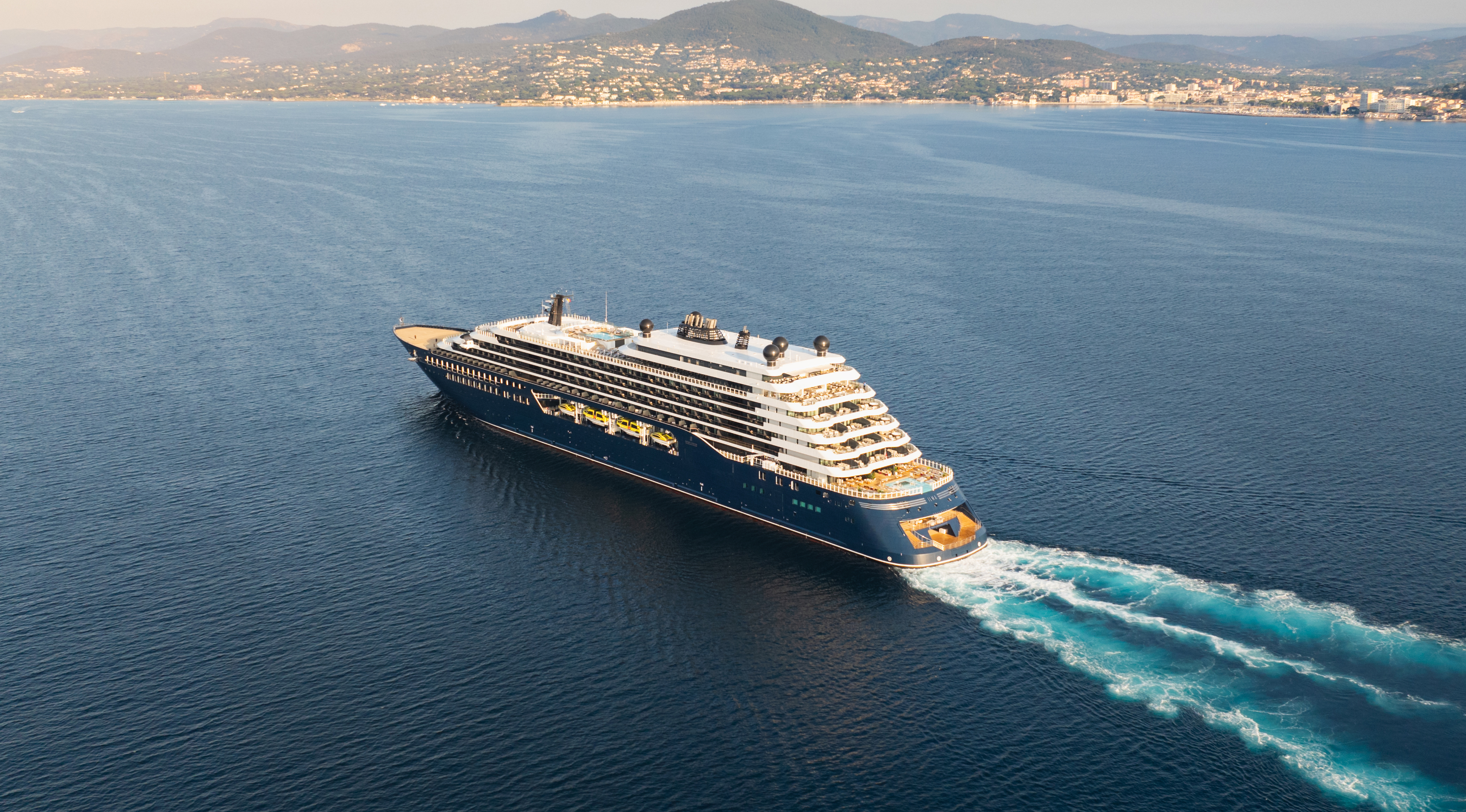
Ship features

The Owner's Suite
MAGNIFICENT OCEAN VIEWS
- Private, spacious terrace overlooking the ocean with private whirlpool
SPACIOUS SUITE ACCOMMODATIONS
- Luxurious and modern living and dining area
- Luxury custom king bed sleep system
- Double vanity bathrooms
PERSONALIZED SERVICE AND AMENITIES
- Your Suite Ambassador delivers attentive, anticipatory service for a personalized in-suite experience tailored to your preferences, from unpacking assistance and garment pressing to in-suite dining and beverages.
- 24-hour in-suite dining, espresso machine, complimentary coffee and teas and a mini-bar provisioned to your preferences, upon request once on board
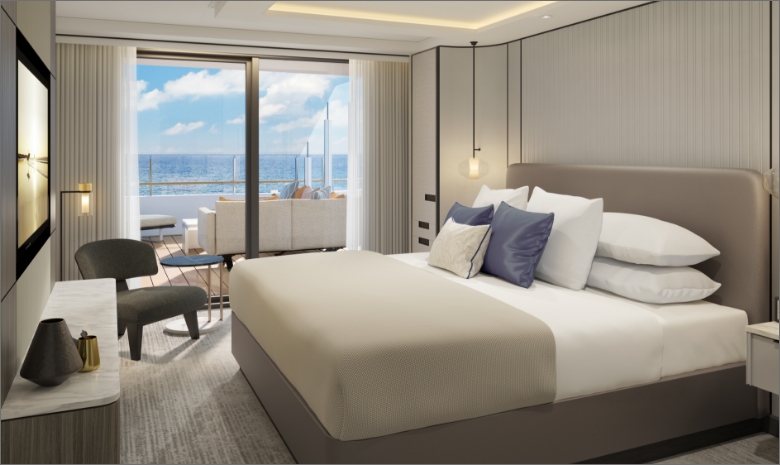
The Concierge Suite
MAGNIFICENT OCEAN VIEWS
- Private, spacious terrace overlooking the ocean, with entry from living area and bedroom
SPACIOUS SUITE ACCOMMODATIONS
- Luxurious and modern living and dining area
- Luxury custom king bed sleep system
- Double vanity bathrooms
PERSONALIZED SERVICE AND AMENITIES
- Your Suite Ambassador delivers attentive, anticipatory service for a personalized in-suite experience tailored to your preferences, from unpacking assistance and garment pressing to in-suite dining and beverages.
- 24-hour in-suite dining, espresso machine, complimentary coffee and teas and a mini-bar provisioned to your preferences, upon request once on board

The Ilma Suite
MAGNIFICENT OCEAN VIEWS
- Private, spacious terrace overlooking the ocean
SPACIOUS SUITE ACCOMMODATIONS
- Luxurious and modern living and dining area
- Luxury custom king bed sleep system
- Double vanity bathrooms
PERSONALIZED SERVICE AND AMENITIES
- Your Suite Ambassador delivers attentive, anticipatory service for a personalized in-suite experience tailored to your preferences, from unpacking assistance and garment pressing to in-suite dining and beverages.
- 24-hour in-suite dining, espresso machine, complimentary coffee and teas and a mini-bar provisioned to your preferences, upon request once on board
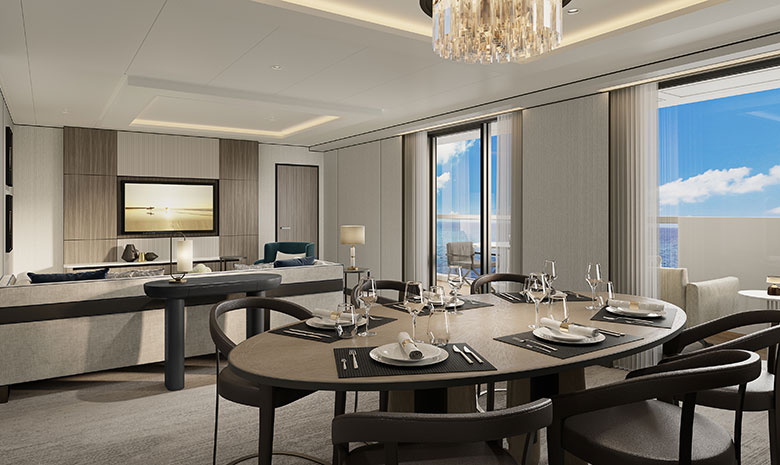
The View Suite
MAGNIFICENT OCEAN VIEWS
- Dramatic floor to ceiling glass throughout
- Private, spacious terrace overlooking the ocean
SPACIOUS SUITE ACCOMMODATIONS
- Luxurious and modern living and dining area
- Luxury custom king bed sleep system
- Double vanity bathroom
PERSONALIZED SERVICE AND AMENITIES
- Your Suite Ambassador delivers attentive, anticipatory service for a personalized in-suite experience tailored to your preferences, from unpacking assistance and garment pressing to in-suite dining and beverages.
- 24-hour in-suite dining, espresso machine, complimentary coffee and teas and a mini-bar provisioned to your preferences, upon request once on board
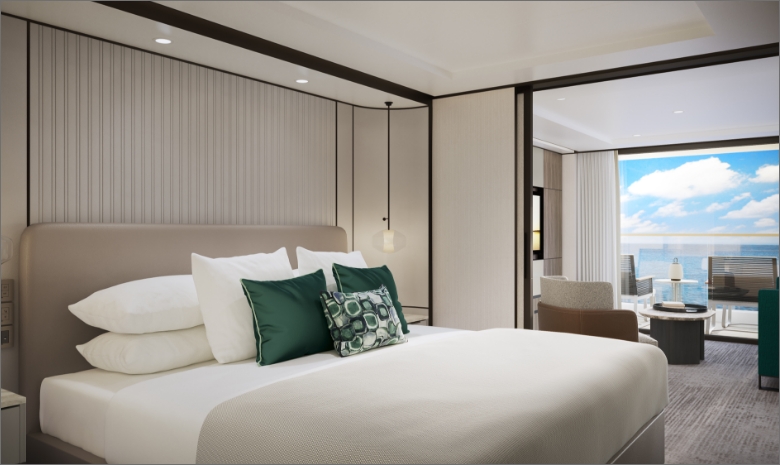
The Grand Suite
MAGNIFICENT OCEAN VIEWS
Private, spacious terrace overlooking the ocean
SPACIOUS SUITE ACCOMMODATIONS
- Luxurious and modern living and dining area
- Luxury custom king bed sleep system
- Double vanity bathroom
- View Alternative Suite Configurations
PERSONALIZED SERVICE AND AMENITIES
- Your Suite Ambassador delivers attentive, anticipatory service for a personalized in-suite experience tailored to your preferences, from unpacking assistance and garment pressing to in-suite dining and beverages.
- 24-hour in-suite dining, espresso machine, complimentary coffee and teas and a mini-bar provisioned to your preferences, upon request once on board
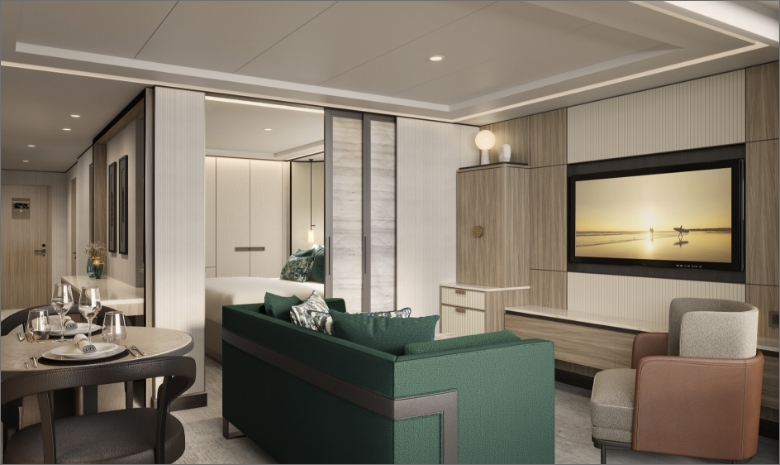
The Signature Suite
MAGNIFICENT OCEAN VIEWS
- Private, spacious terrace overlooking the ocean
SPACIOUS SUITE ACCOMMODATIONS
- Luxurious and modern living and dining area
- Luxury custom king bed sleep system
- Double vanity bathroom
PERSONALIZED SERVICE AND AMENITIES
- Your Suite Ambassador delivers attentive, anticipatory service for a personalized in-suite experience tailored to your preferences, from unpacking assistance and garment pressing to in-suite dining and beverages.
- 24-hour in-suite dining, espresso machine, complimentary coffee and teas and a mini-bar provisioned to your preferences, upon request once on board
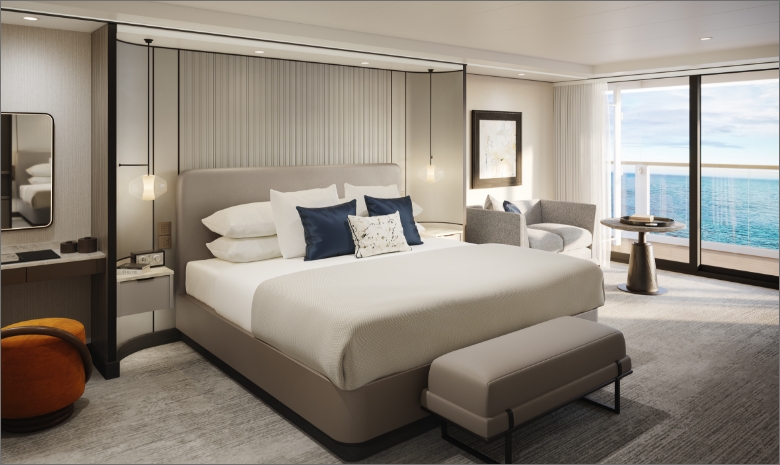
The Terrace Suite
MAGNIFICENT OCEAN VIEWS
- Private, spacious terrace overlooking the ocean
SPACIOUS SUITE ACCOMMODATIONS
- Luxury custom king bed sleep system
- Double vanity bathroom
- View Alternative Suite Configurations
PERSONALIZED SERVICE AND AMENITIES
- Your Suite Ambassador delivers attentive, anticipatory service for a personalized in-suite experience tailored to your preferences, from unpacking assistance and garment pressing to in-suite dining and beverages.
- 24-hour in-suite dining, espresso machine, complimentary coffee and teas and a mini-bar provisioned to your preferences, upon request once on board
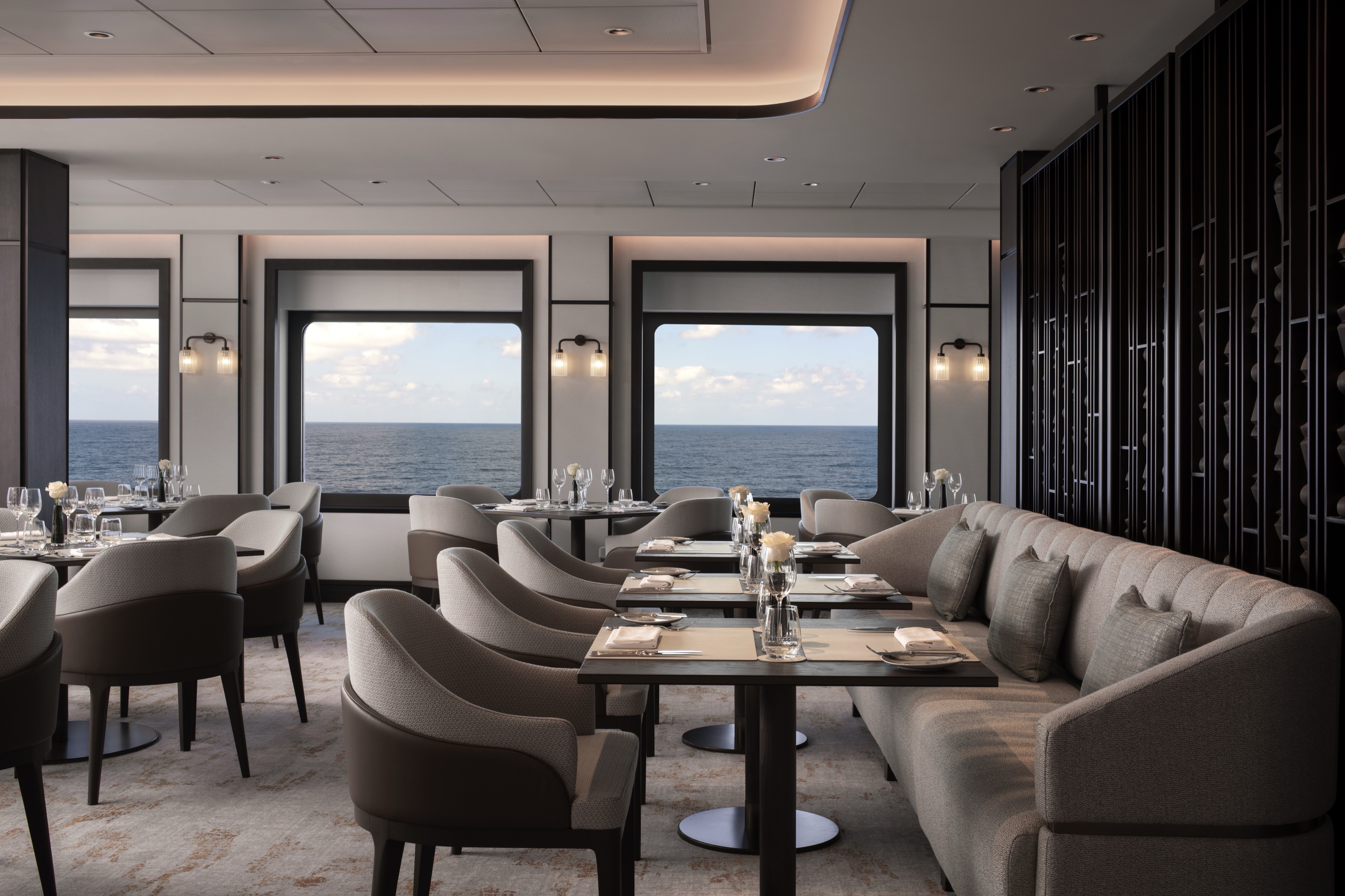
Tides
Designed with an inviting balance of privacy and connection, Tides is the spacious main restaurant aboard Ilma. Intimate seating, warm lighting and a relaxed sense of ease set the tone for quiet meals or shared moments. Evolving menus draw on regional flavors and seasonal ingredients for dining with connection to the destinations.
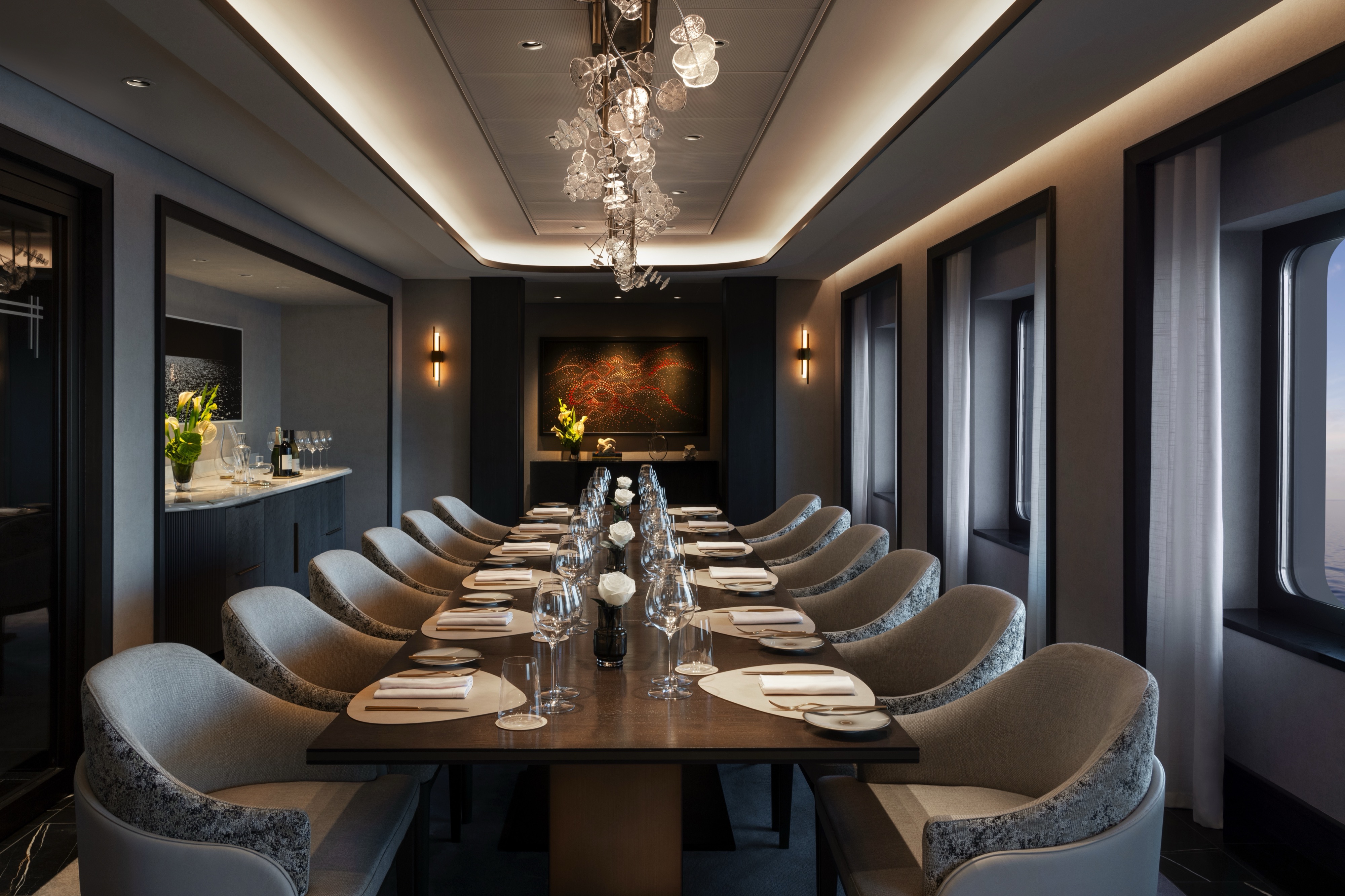
Dining Privée
Dining Privée is an intimate enclave within Tides, ideal for celebratory dinners, hosted gatherings or an evening with friends. Soft lighting and refined finishes create a warm, contemporary ambiance. Curated menus reflect the seasonal approach and regions explored aboard Ilma, offering a personal, elevated private dining experience.
Charges apply.
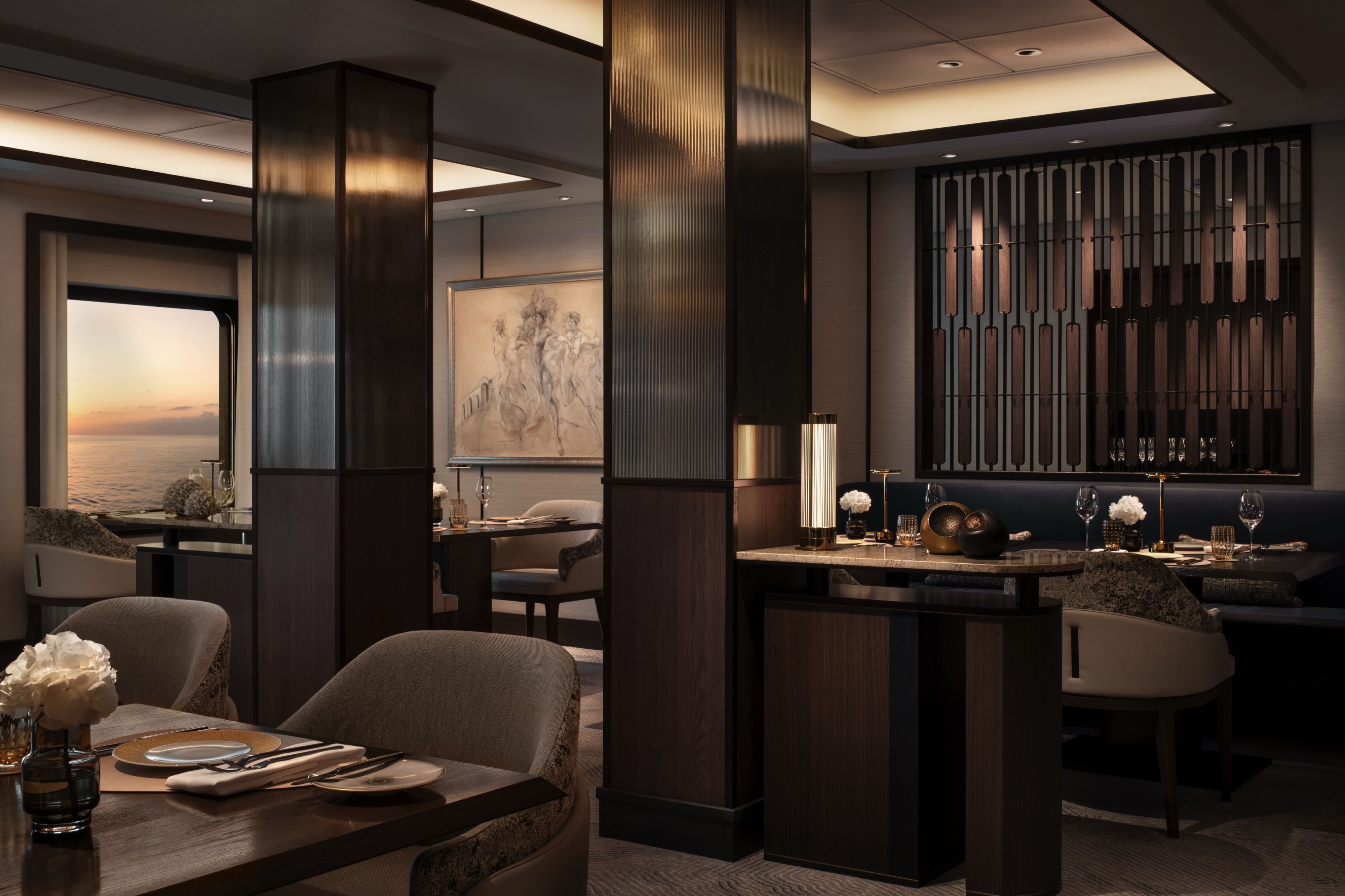
Seta Su Ilma
Created with Michelin-starred Chef Fabio Trabocchi, Seta Su Ilma offers a contemporary expression of Italian cuisine that feels both rooted and modern. Fresh seafood, prime cuts and handmade pastas highlight pristine ingredients, complemented by thoughtful wine pairings. Warm breads, fine olive oils and seasonal truffles complete an intimate, elevated dining experience.
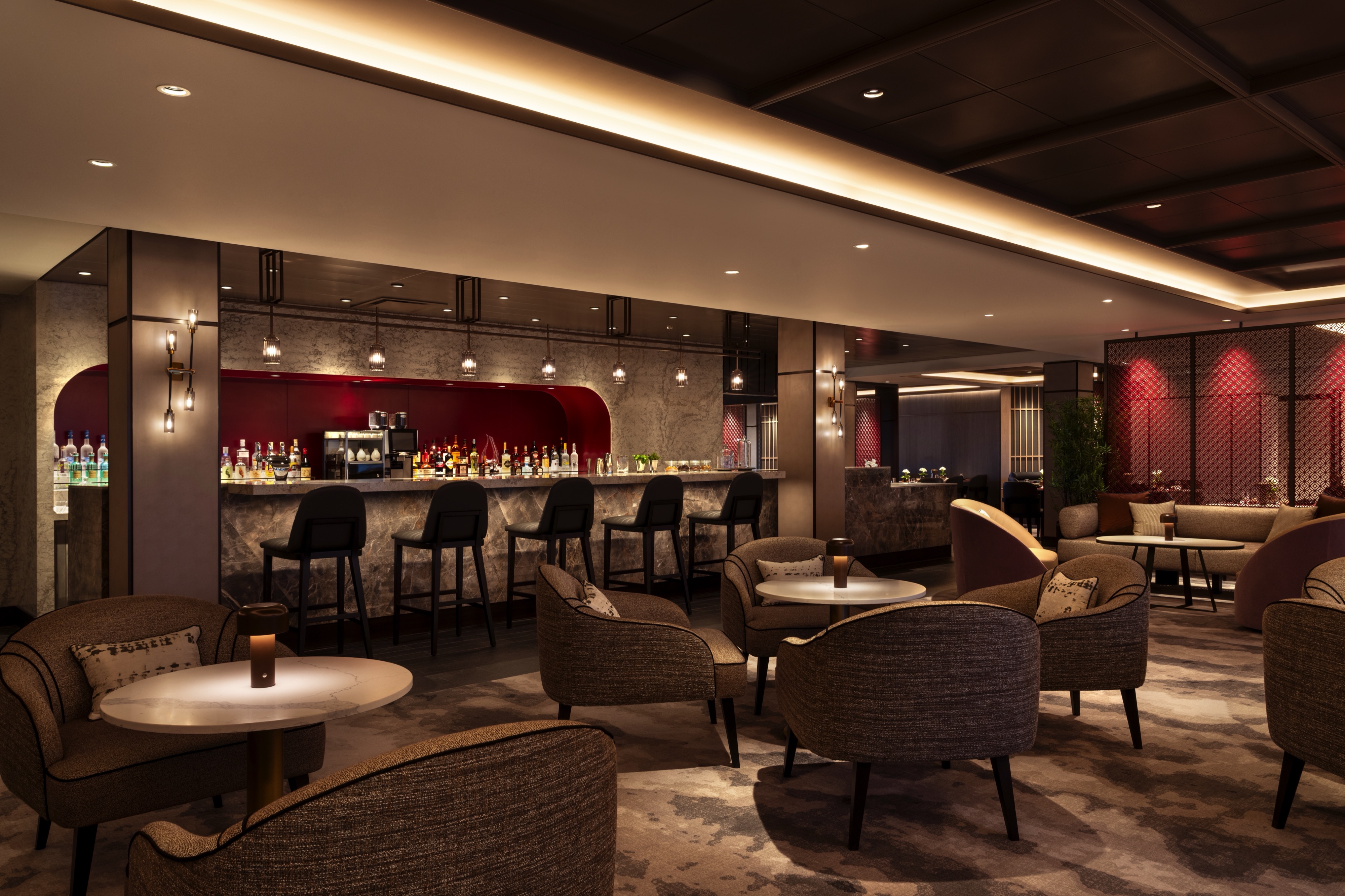
Memorī
Memorī offers a contemporary interpretation of Japanese cuisine, highlighting purity of flavor and thoughtful technique. Fresh sashimi, delicate tempura and charcoal-kissed Wagyu reflect a modern yet respectful approach. With a vibrant design and a central sushi bar, the setting suits relaxed meals, shared plates or leisurely dinners, balancing elegance with ease.
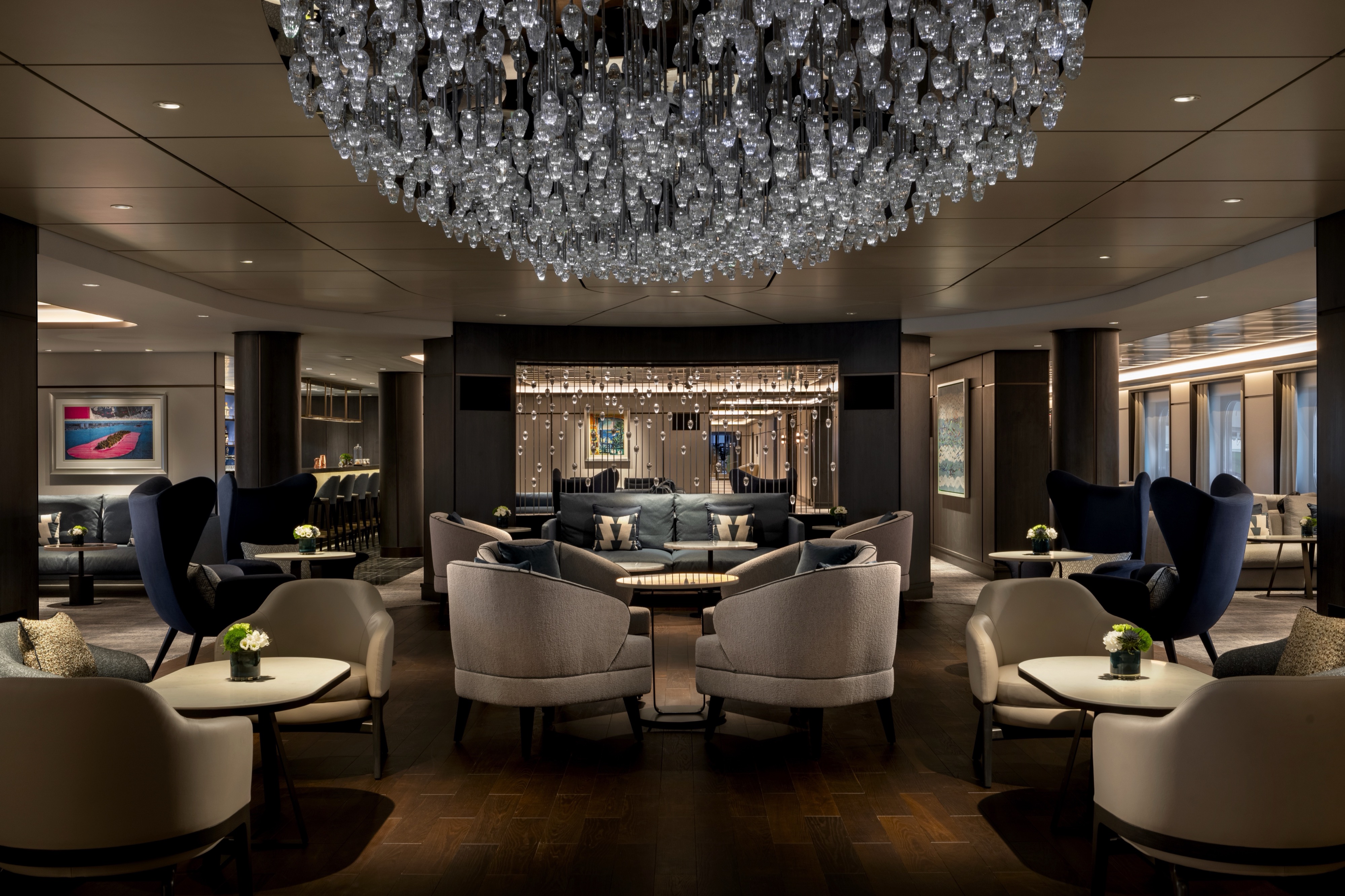
The Living Room
The Living Room Café and Bar is a warm, inviting gathering place throughout the day. Mornings begin with freshly roasted coffee and pastries at the espresso counter, while daytime brings treats ideal for moments between activities. As evening settles in, the space offers a relaxed setting for a quiet drink or light bite.
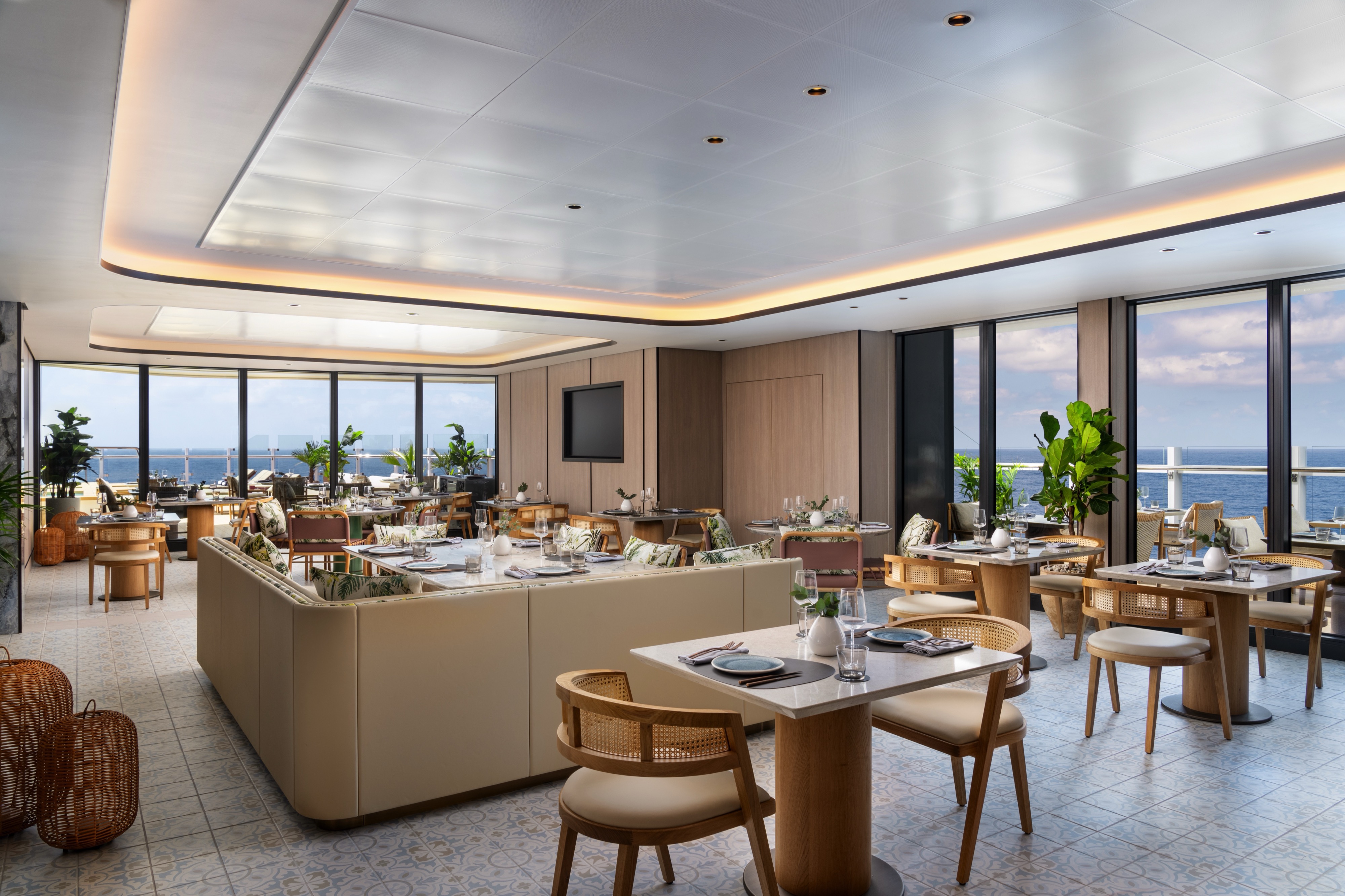
Beach House
At the Beach House, bright, airy interiors open onto an expansive pool deck, creating an effortless setting for Pan-Latin cuisine, craft beers, bold wines and an elevated tequila selection. Developed with Michelin-starred Chef Michael Mina, the menu draws on fire-born flavors of South and Central America while highlighting Caribbean ingredients in light, shareable dishes.
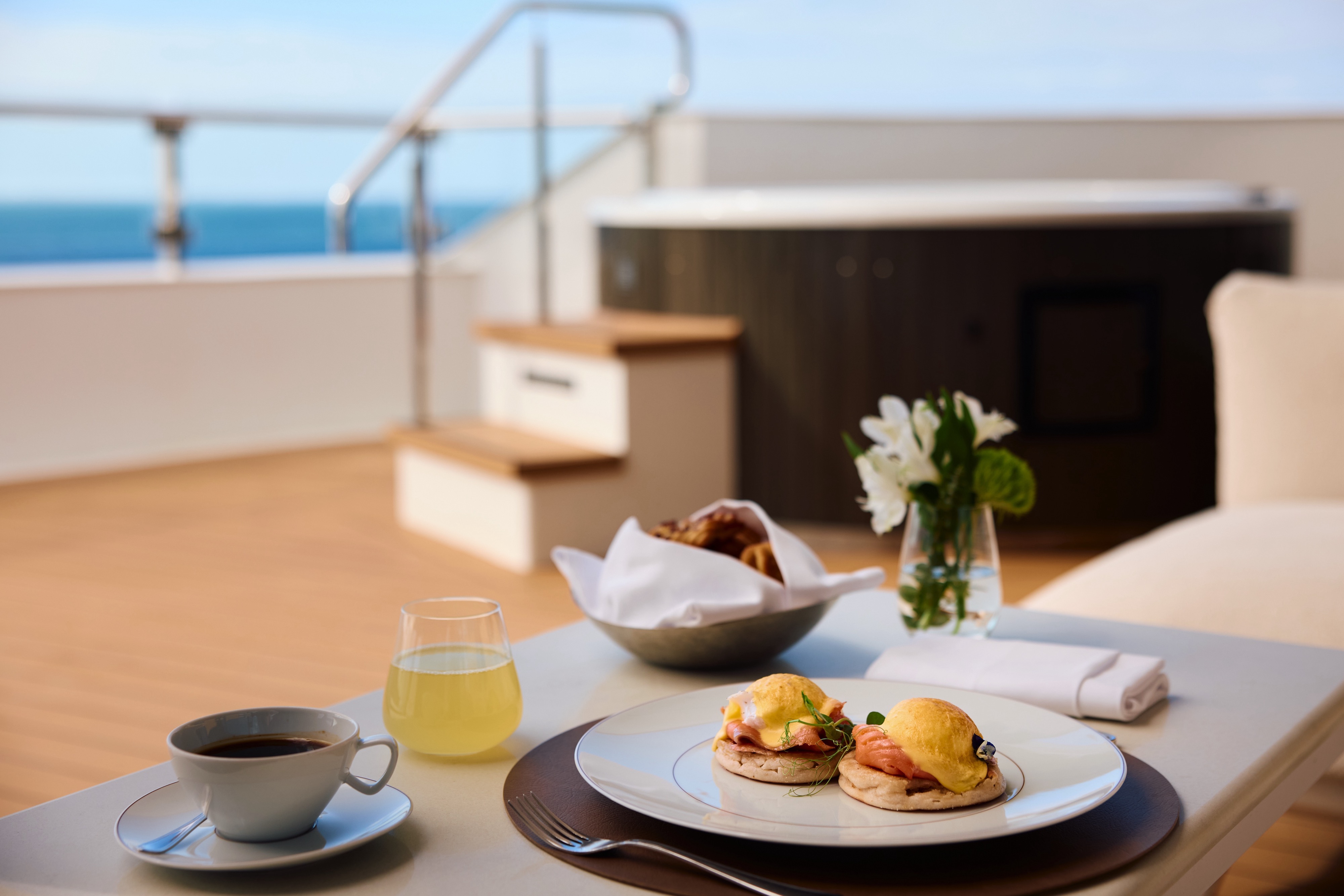
In-Suite Dining
In-suite dining offers the comfort and privacy of enjoying thoughtfully prepared dishes in your suite or on your private terrace. The all-day dining menu features favorites from across the yacht’s venues, delivered with attentive presentation. A late-night menu adds flexibility, creating a seamless, refined experience at any hour.
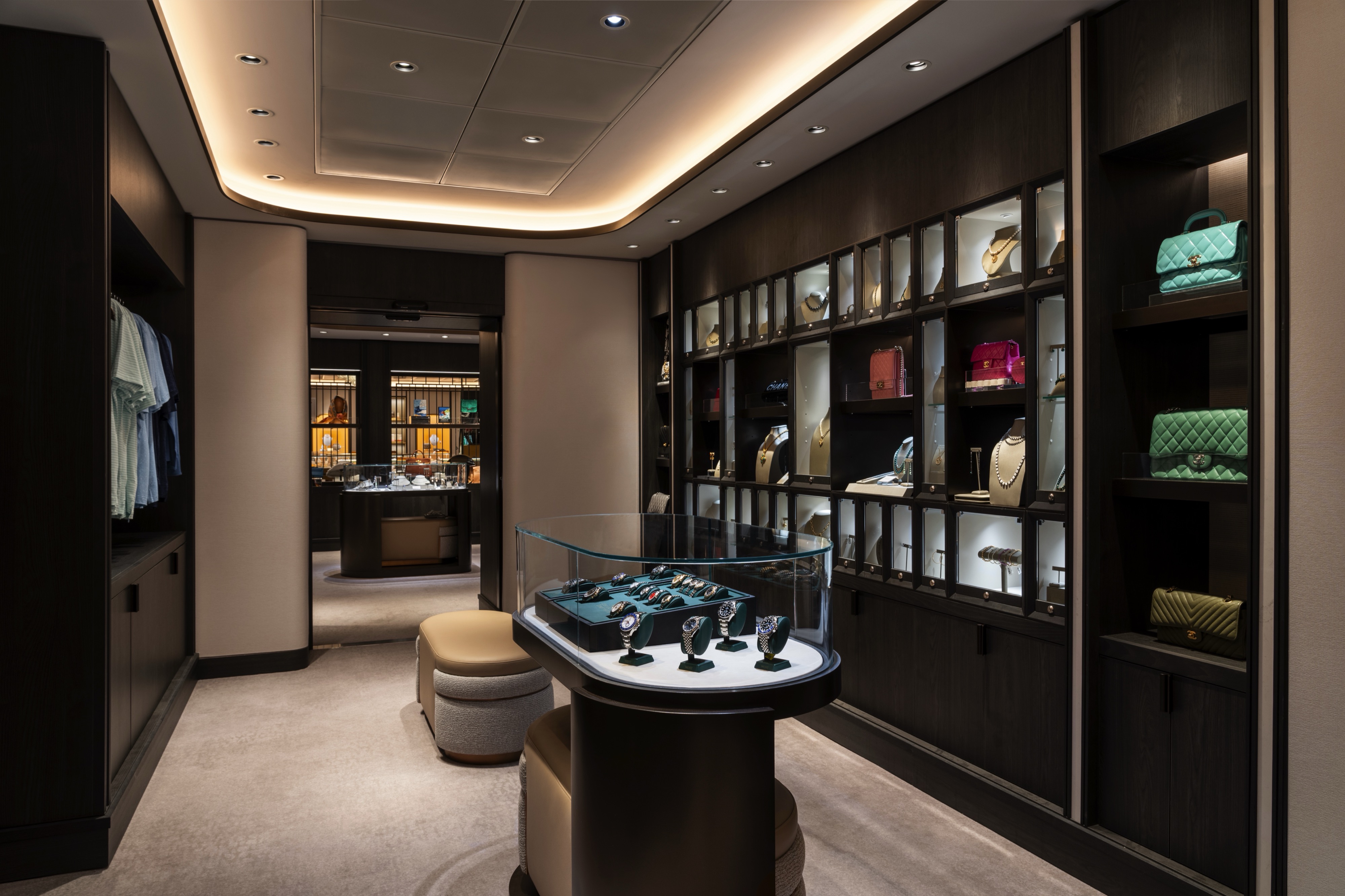
The Boutique
The Boutique features a curated selection of high-end sportswear, designer apparel, jewelry and leather goods, offering guests the opportunity to explore thoughtfully chosen pieces throughout their journey. On select voyages, the shopping experience is enhanced by exclusive collaborations with local artisans who share their craft and present distinctive creations inspired by the regions visited.
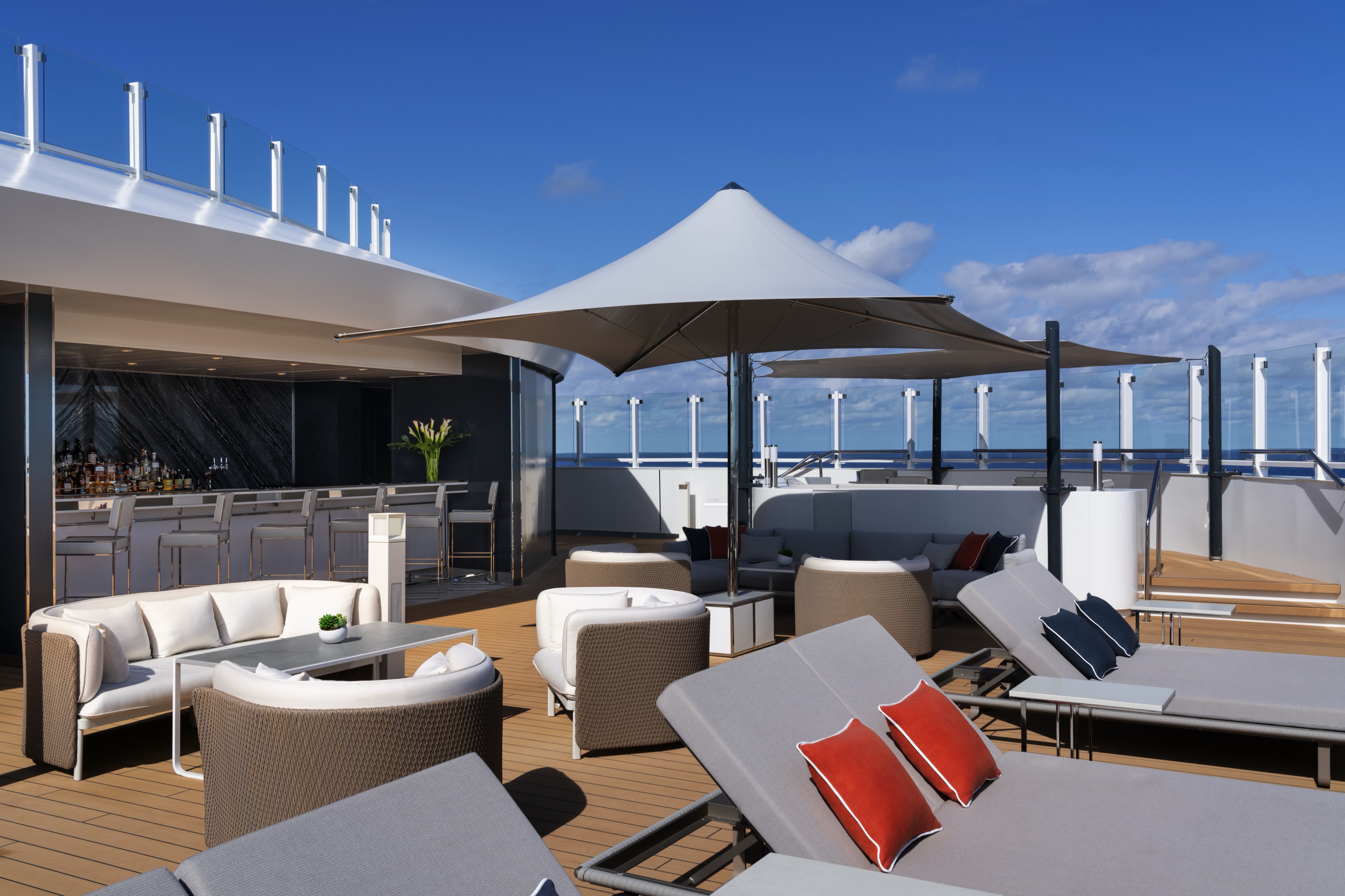
The Observation Terrace
The Observation Terrace offers panoramic views that blur the line between land and sea, creating an inspired setting for lounging, cocktails or quiet conversation. As twilight settles in, the atmosphere shifts into a relaxed venue with live entertainment that extends into the evening.
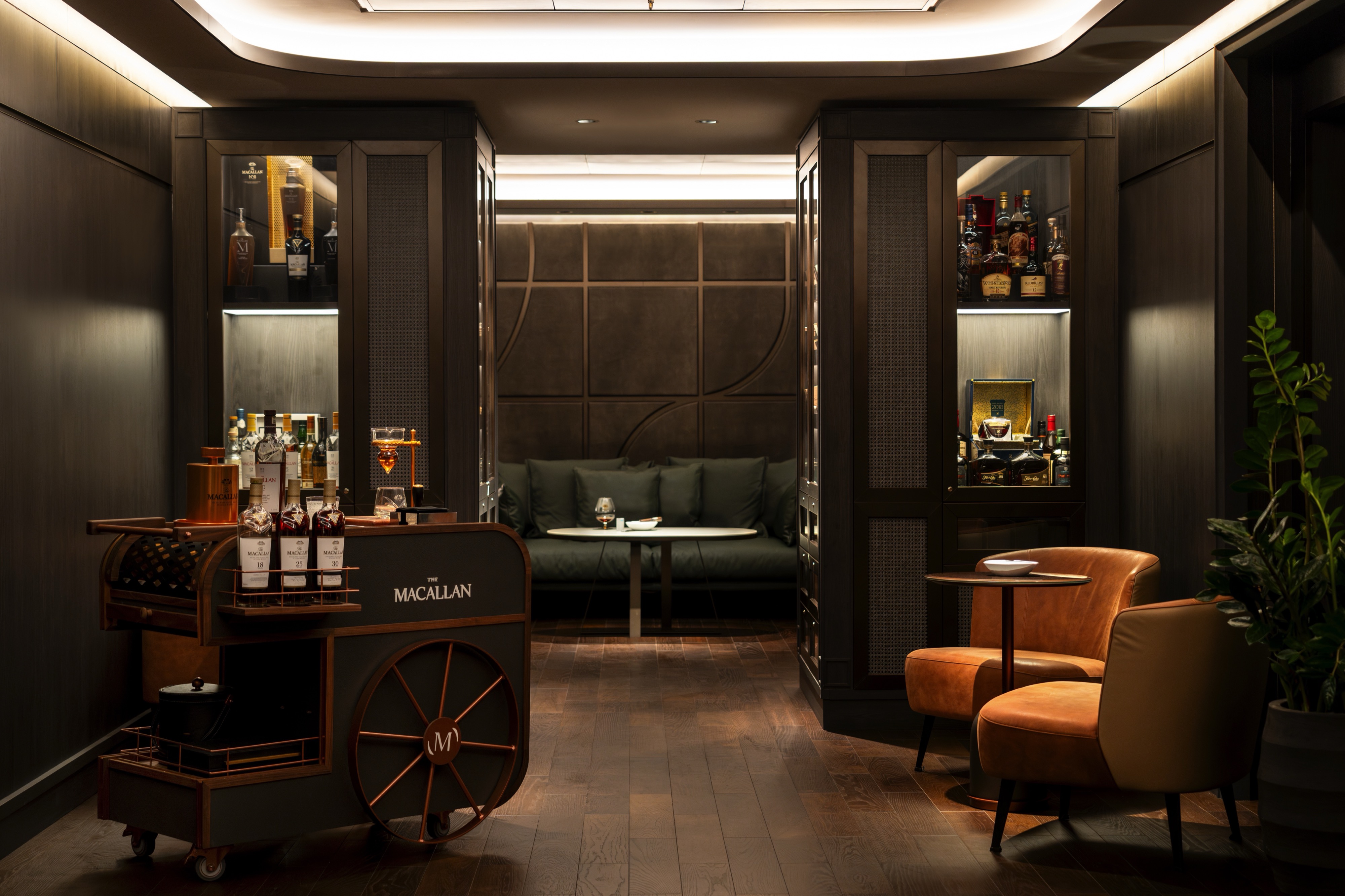
The Humidor
The Humidor is an intimate, quietly sophisticated setting for unhurried moments at day’s end. Guests can enjoy fine cognacs, single malts and other aged spirits while exploring a curated selection of hand-rolled cigars showcased in a state-of-the-art humidor. Warm and nuanced, it’s a welcoming place for reflection or relaxed conversation.
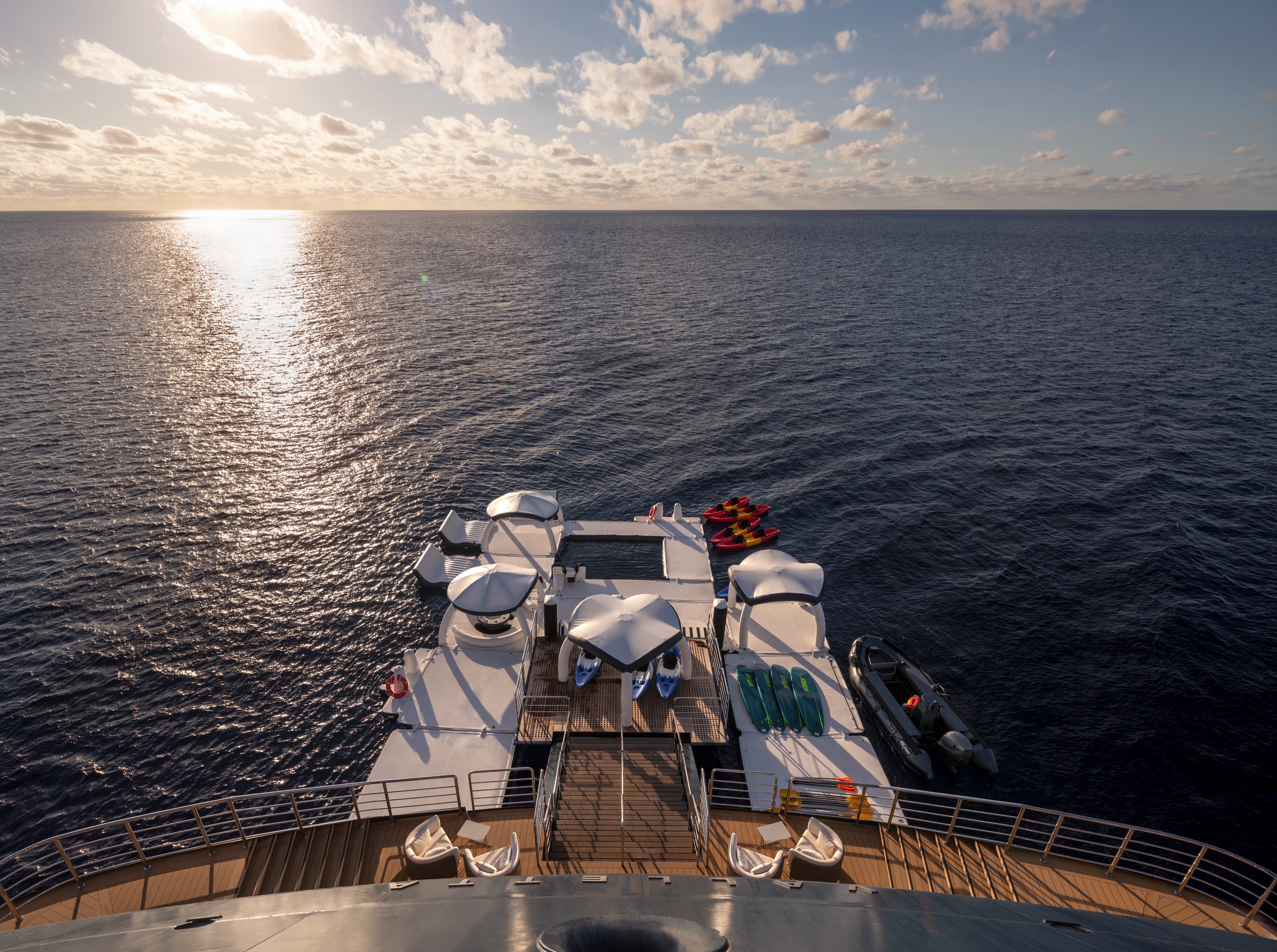
Marina and Marina Terrace
Nestled at the water’s edge, the Marina offers an inviting place to unwind while at anchor, with sun loungers and an exciting selection of water toys for time on the sea. Just above, the Marina Terrace provides a refined open-air setting for handcrafted cocktails and light bites, creating an effortless transition from water activities to leisurely afternoons looking to the horizon.
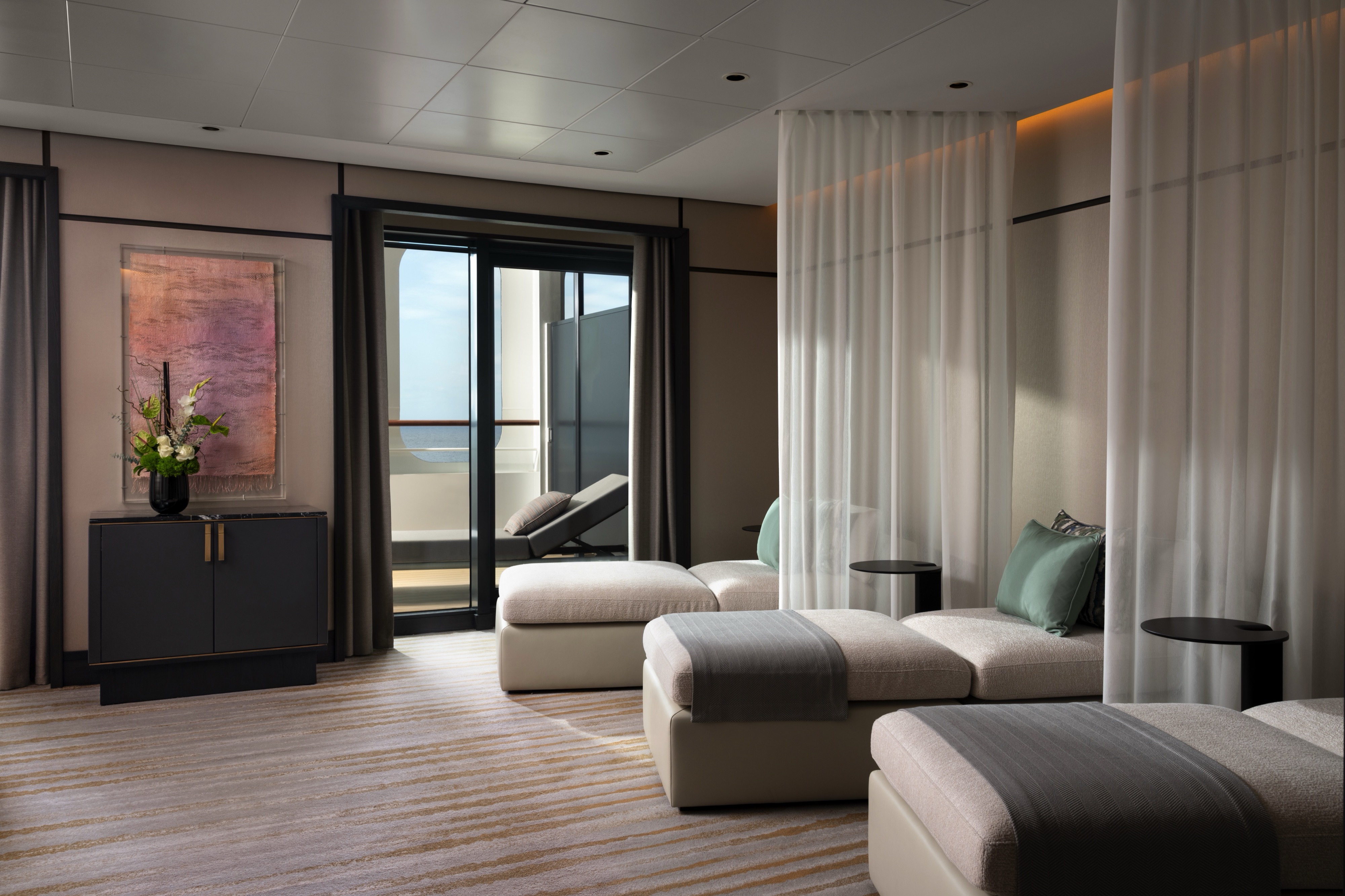
The Ritz-Carlton Spa®
Unwind with expert massages, restorative facials and globally inspired treatments in a tranquil setting designed for ease and renewal. The spa invites guests to slow down, relax and immerse themselves in soothing aromas, calming rituals and thoughtful care that enhance every journey.
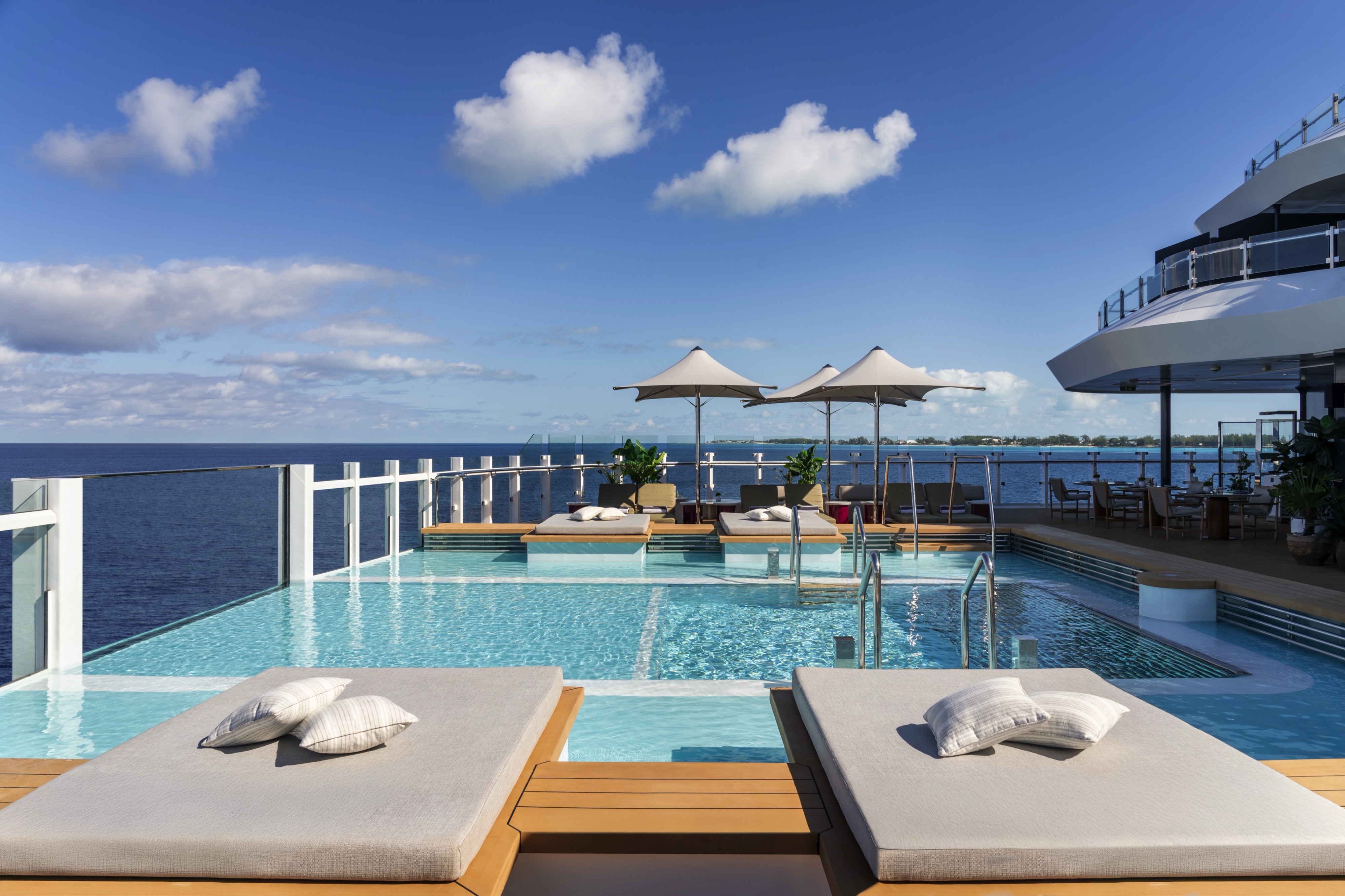
Main Pool and Infinity Pool
The Pool offers panoramic views and a relaxed setting for unwinding throughout the day. Guests can enjoy all-day dining, frozen treats and drinks from the nearby bar, or settle into sunbeds, banquettes, and tanning ledges. Gentle misting sprays add a cooling touch, while generous sundecks invite reading, resting or simply taking in the sea and sky.
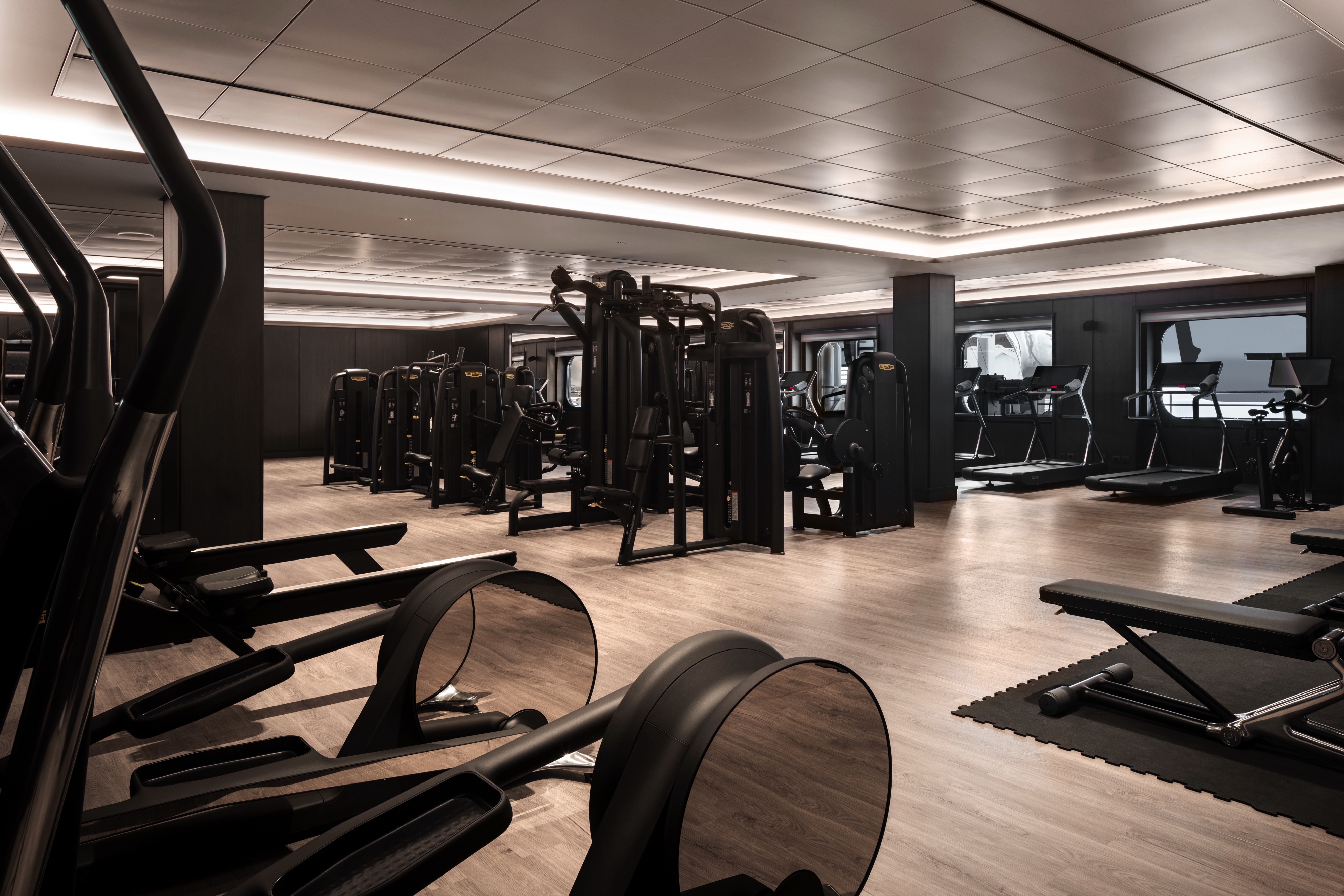
Fitness Studio
The Fitness Studio offers a holistic approach to wellbeing, with personalized guidance, movement-focused programming and optional lectures that support a healthy voyage. A selection of Technogym equipment enables familiar routines or new forms of exercise, all within a calm, contemporary setting designed for strengthening, stretching and reconnecting with the body.
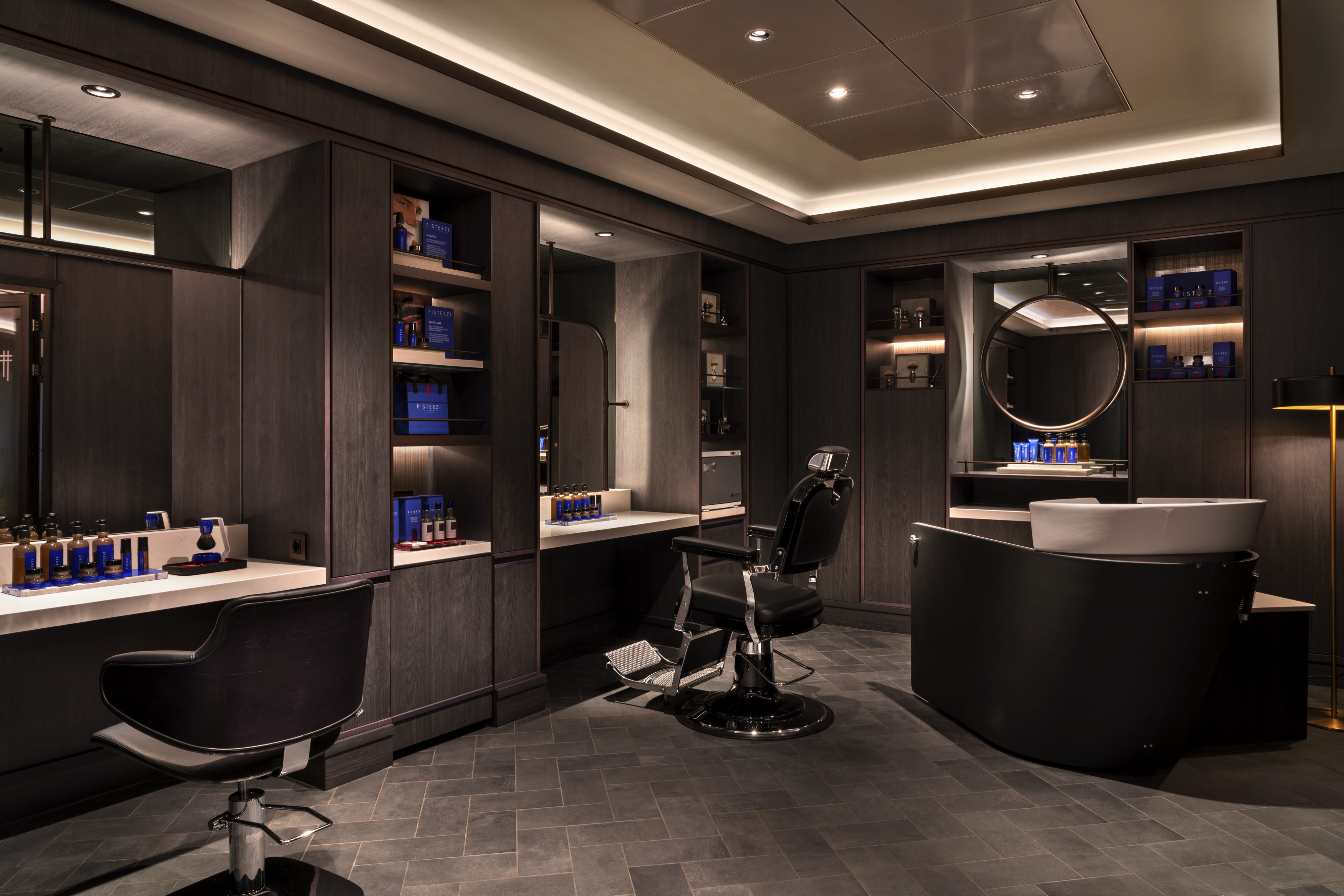
Barber & Salon Services
The Salon offers a variety of beauty and hair services including manicure and pedicure treatments, hair consultations, cutting, styling and blow drying. Next door at The Barber, gentlemen can enjoy a close shave or invigorating facial before heading ashore to explore the port feeling refreshed and revitalized.

Ritz Kids®
Ritz Kids® is a dedicated program for families designed to inspire curiosity and creativity. Guided by engaging, age-appropriate activities, children can learn about the natural world and enjoy time with new friends. With its bright, inviting environment and attentive supervision, Ritz Kids® provides young travelers with a place to discover, play and connect.
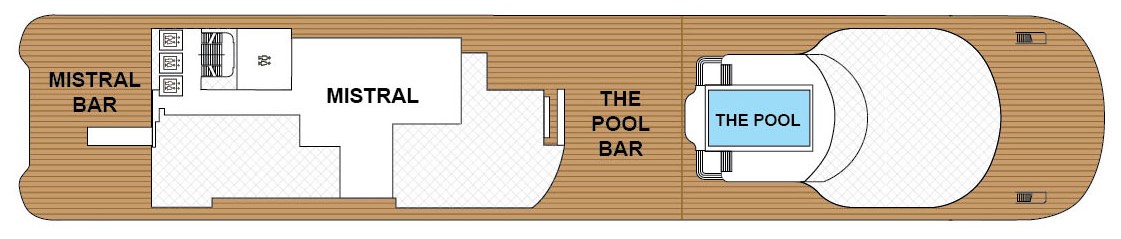
Deck 10
- Minstral
- The Main Pool
- The Main Pool Bar
- Mistral Bar

Deck 9
- The Observation Terrace
- The Owner’s Suite
- The Concierge Suite
- The Grand Suites
- The Signature Mid Suites
- The Signature Suites
- The Terrace Mid Suites
- The Terrace Suites

Deck 8
- The Owners Suites
- The Concierge Suites
- The Grand Suites
- The Signature Mid Suites
- The Signature Suites
- The Terrace Mid Suites
- The Terrace Suites

Deck 7
- The Owner’s Suites
- The Concierge Suites
- The View Suites
- The Grand Suites
- The Signature Mid Suites
- The Signature Suites
- The Terrace Mid Suites
- The Terrace Suites

Deck 6
- The Concierge Suites
- The Ilma Suites
- The Grand Suites
- The Signature Mid Suites
- The Signature Suites
- The Terrace Mid Suites
- The Terrace Suites

Deck 5
- The Living Room
- Beach House
- Infinity Pool
- The Humidor
- The Boutique
- The Terrace Suites

Deck 4
- The Ritz-Carlton Spa
- Memori
- The Fitness Studio
- Ritz Kids®
- Women Steam & Sauna
- Men Steam & Sauna
- Relaxation Room
- Launderette
- The Barber
- The Salon
- Guest Services
- Ritz Kids / Meeting Room

Deck 3
- The Marina Terrace
- The Marina
- Tides
- Dining Privee
- SETA
- Medical Centre
- Wine Vault