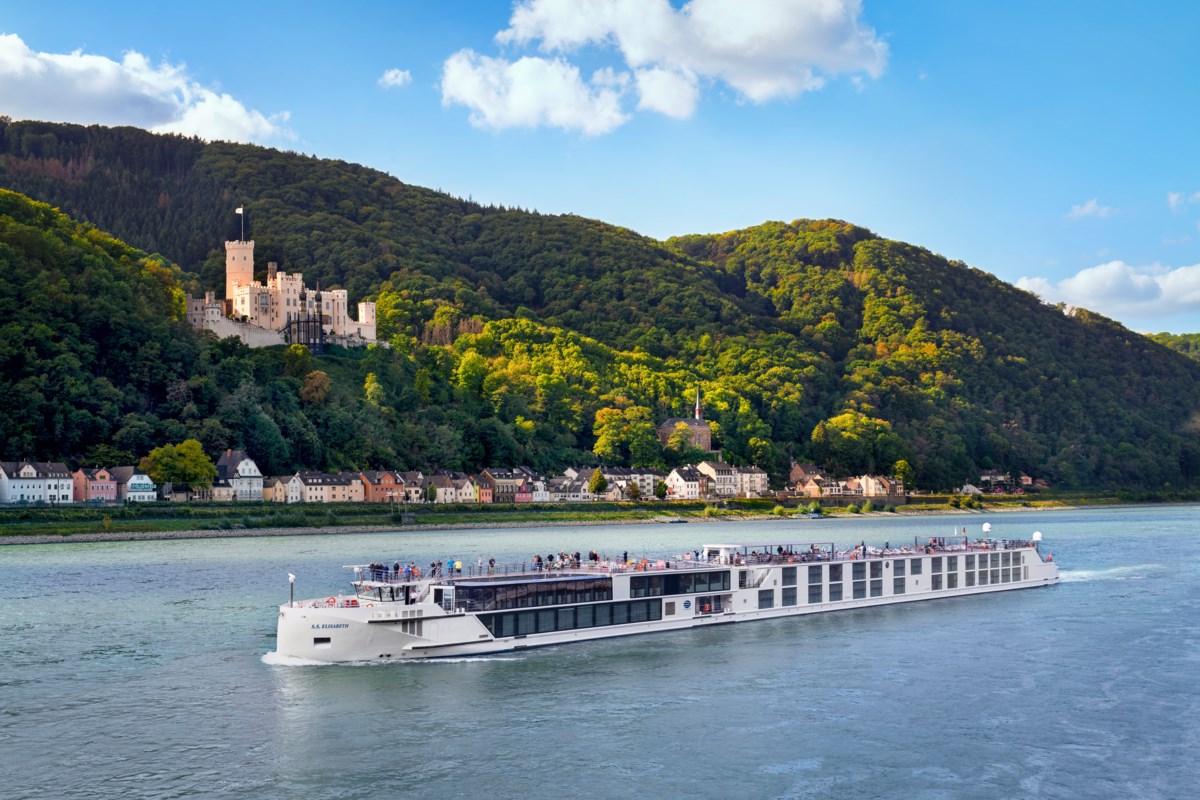
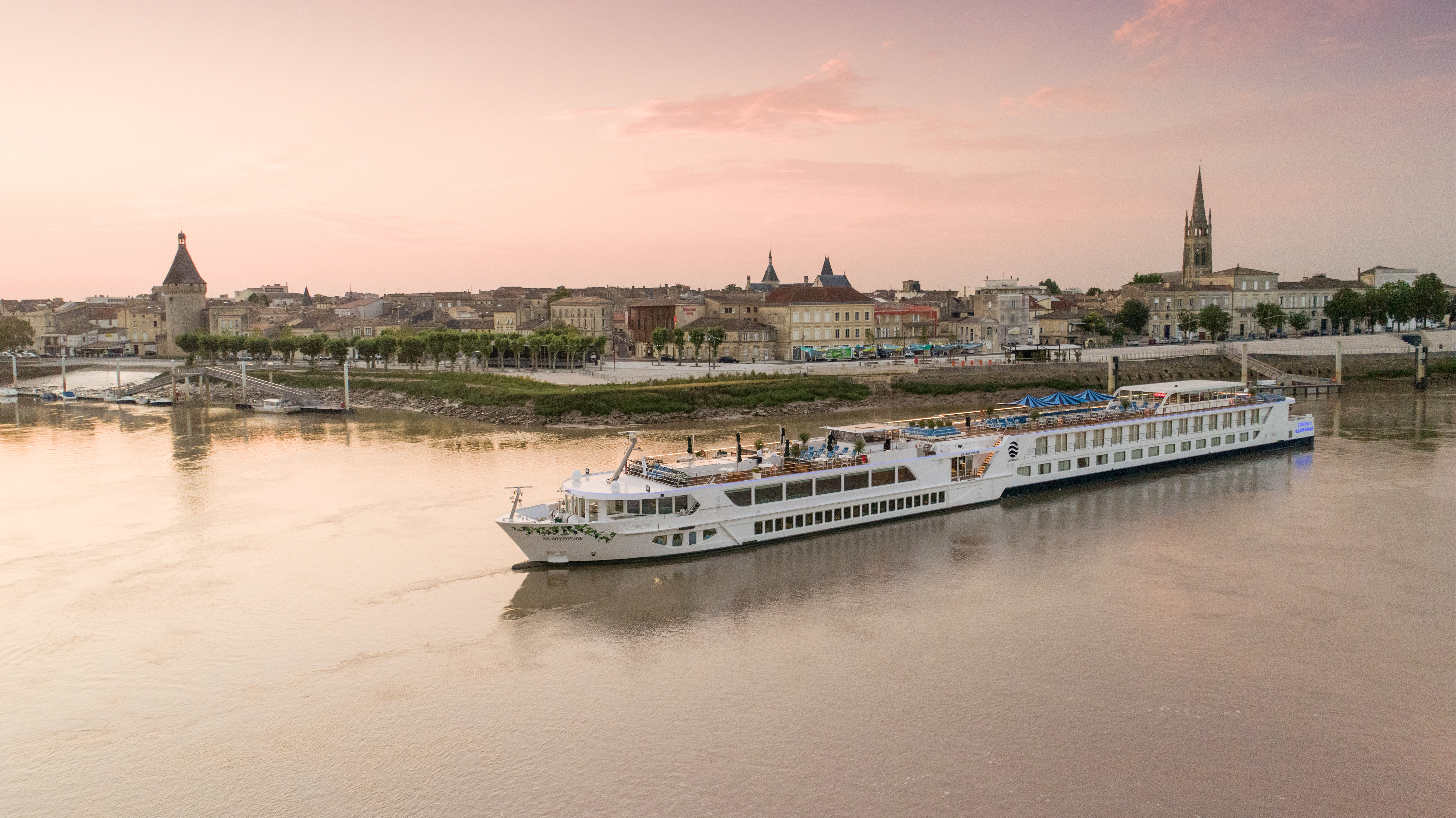
Itinerary
Bordeaux as a whole, rather than any particular points within it, is what you’ll want to visit in order to understand why Victor Hugo described it as Versailles plus Antwerp, and why the painter Francisco de Goya, when exiled from his native Spain, chose it as his last home (he died here in 1828). The capital of southwest France and the region’s largest city, Bordeaux remains synonymous with the wine trade: wine shippers have long maintained their headquarters along the banks of the Garonne, while buyers from around the world arrive for the huge biennial Vinexpo show (held in odd-number years).Bordeaux is, admittedly, a less exuberant city than many others in France, but lively and stylish elements are making a dent in its conservative veneer. The cleaned-up riverfront is said by some, after a bottle or two, to exude an elegance reminiscent of St. Petersburg, and that aura of 18th-century élan also permeates the historic downtown sector—“le vieux Bordeaux”—where fine shops invite exploration. To the south of the city center are old docklands undergoing renewal—one train station has now been transformed into a big multiplex movie theater—but the area is still a bit shady. To get a feel for the historic port of Bordeaux, take the 90-minute boat trip that leaves Quai Louis-XVIII every weekday afternoon, or the regular passenger ferry that plies the Garonne between Quai Richelieu and the Pont d’Aquitaine in summer. A nice time to stroll around the city center is the first Sunday of the month, when it’s pedestrian-only and vehicles are banned.
Day programme:
Arrive at Bordeaux-Mérignac International Airport. If you have arranged a Uniworld arrival transfer, you will be greeted by a Uniworld representative and transferred to the ship.
Cadillac, France, is a charming town in the Gironde department, known for its historic architecture and vineyards. Famous for its production of sweet white wines, especially Cadillac Côtes de Bordeaux, the town features a well-preserved 18th-century château and picturesque streets. Set along the Garonne River, Cadillac offers scenic views and a rich heritage, blending historical charm with local wine culture. Its vibrant markets and serene atmosphere make it a pleasant destination for those exploring the Bordeaux wine region.
Day programme:
The French phrase “la douceur de vivre” is an accurate description for your time in Cadillac, known for its deliciously flavored dessert wines. Visit Château Royal de Cazeneuve, site of Henry IV’s and Queen Margot’s tempestuous love. Meet the owner around a glass of Sauternes in the reception hall.
Pauillac, France, is a scenic village in the Bordeaux wine region, renowned for its prestigious vineyards and charming riverfront. Located on the Gironde estuary, it is famed for its high-quality red wines, including those from renowned châteaux like Lafite Rothschild and Mouton Rothschild. The village features historic buildings, vibrant markets, and stunning views of the estuary. Pauillac’s blend of rich winemaking heritage and picturesque landscapes makes it a delightful destination for wine enthusiasts and travellers seeking a taste of Bordeaux’s elegance.
Day programme:
The legendary Médoc region abounds with prestigious wine châteaux in a dizzying array of architectural styles, as well as miles of grapevines stretching to infinity. Take a scenic drive through the storied Médoc wine route, followed by a wine tasting at a beautiful wine estate.
Blaye, France, is a picturesque town in the Gironde department, renowned for its historic Blaye Citadel, a UNESCO World Heritage site with stunning views of the Gironde estuary. The town boasts charming streets, vibrant markets, and renowned vineyards producing exceptional wines, including Blaye Côtes de Bordeaux. Blaye’s blend of historical architecture, scenic river views, and local wine culture makes it an inviting destination for history enthusiasts and wine lovers alike.
Day programme:
The Route de la Corniche Fleurie…could this be the most beautiful road you’ve ever traveled? Find out today on the drive to Blaye Fortress, passing through one impossibly picturesque hamlet after another. Once you arrive, you’ll discover the wonders of this historic fortress, a UNESCO-designated citadel that once protected Bordeaux from attacks by sea.
Libourne, France, is a historic town in the Bordeaux wine region, renowned for its vibrant market and beautiful architecture. Located along the Dordogne River, it features a charming blend of medieval and Renaissance buildings, including the striking Church of Saint-Jean-Baptiste. Libourne is a gateway to prestigious wine estates, including Pomerol and Saint-Émilion. The town’s bustling market and scenic riverside setting offer a delightful experience for visitors interested in wine, history, and local culture.
Day programme:
With Libourne as your base, travel to nearby breathtaking Saint-Émilion and immerse yourself more deeply in the region’s history and wine culture. The medieval town of Saint-Émilion is an ideal place to linger. Wander its cobblestone lanes lined with wine shops and bakeries, and stop to admire the amazing rock-hewn church that extends beneath the city’s streets.
Libourne, France, is a historic town in the Bordeaux wine region, renowned for its vibrant market and beautiful architecture. Located along the Dordogne River, it features a charming blend of medieval and Renaissance buildings, including the striking Church of Saint-Jean-Baptiste. Libourne is a gateway to prestigious wine estates, including Pomerol and Saint-Émilion. The town’s bustling market and scenic riverside setting offer a delightful experience for visitors interested in wine, history, and local culture.
Day programme:
France’s rich agricultural tradition is the heart and soul of the region’s exquisite cuisine—and what better way to get a taste for the freshest vegetables, cheeses, breads and fruits than with a visit to Libourne’s lively farmers’ market?
Bordeaux as a whole, rather than any particular points within it, is what you’ll want to visit in order to understand why Victor Hugo described it as Versailles plus Antwerp, and why the painter Francisco de Goya, when exiled from his native Spain, chose it as his last home (he died here in 1828). The capital of southwest France and the region’s largest city, Bordeaux remains synonymous with the wine trade: wine shippers have long maintained their headquarters along the banks of the Garonne, while buyers from around the world arrive for the huge biennial Vinexpo show (held in odd-number years).Bordeaux is, admittedly, a less exuberant city than many others in France, but lively and stylish elements are making a dent in its conservative veneer. The cleaned-up riverfront is said by some, after a bottle or two, to exude an elegance reminiscent of St. Petersburg, and that aura of 18th-century élan also permeates the historic downtown sector—“le vieux Bordeaux”—where fine shops invite exploration. To the south of the city center are old docklands undergoing renewal—one train station has now been transformed into a big multiplex movie theater—but the area is still a bit shady. To get a feel for the historic port of Bordeaux, take the 90-minute boat trip that leaves Quai Louis-XVIII every weekday afternoon, or the regular passenger ferry that plies the Garonne between Quai Richelieu and the Pont d’Aquitaine in summer. A nice time to stroll around the city center is the first Sunday of the month, when it’s pedestrian-only and vehicles are banned.
Day programme:
Discover Bordeaux’s many charms today, either on foot with a local expert or on two wheels—the locals’ preferred way to navigate the city’s charming backstreets. You have a wonderful selection of active opportunities to see this magnificent UNESCO World Heritage Site.
Bordeaux as a whole, rather than any particular points within it, is what you’ll want to visit in order to understand why Victor Hugo described it as Versailles plus Antwerp, and why the painter Francisco de Goya, when exiled from his native Spain, chose it as his last home (he died here in 1828). The capital of southwest France and the region’s largest city, Bordeaux remains synonymous with the wine trade: wine shippers have long maintained their headquarters along the banks of the Garonne, while buyers from around the world arrive for the huge biennial Vinexpo show (held in odd-number years).Bordeaux is, admittedly, a less exuberant city than many others in France, but lively and stylish elements are making a dent in its conservative veneer. The cleaned-up riverfront is said by some, after a bottle or two, to exude an elegance reminiscent of St. Petersburg, and that aura of 18th-century élan also permeates the historic downtown sector—“le vieux Bordeaux”—where fine shops invite exploration. To the south of the city center are old docklands undergoing renewal—one train station has now been transformed into a big multiplex movie theater—but the area is still a bit shady. To get a feel for the historic port of Bordeaux, take the 90-minute boat trip that leaves Quai Louis-XVIII every weekday afternoon, or the regular passenger ferry that plies the Garonne between Quai Richelieu and the Pont d’Aquitaine in summer. A nice time to stroll around the city center is the first Sunday of the month, when it’s pedestrian-only and vehicles are banned.
Day programme:
Disembark the ship and transfer to Bordeaux-Mérignac International Airport for your flight to Porto, where you’ll board the S.S. São Gabriel. Note: Included flights may be as early as 6:00am and/or have a connecting flight.
Lively, commercial Oporto is the second largest city in Portugal after Lisbon. Also called Porto for short, the word easily brings to mind the city’s most famous product – port wine. Oporto’s strategic location on the north bank of the Douro River has accounted for the town’s importance since ancient times. The Romans built a fort here where their trading route crossed the Douro, and the Moors brought their own culture to the area. Oporto profited from provisioning crusaders en route to the Holy Land and enjoyed the riches from Portuguese maritime discoveries during the 15th and 16th centuries. Later, port wine trade with Britain compensated for the loss of the spice trade and the end of gold and gem shipments from Brazil. In the 19th century, the city went through a period of new prosperity with the rise of industries. In its wake followed the building of workers’ quarters and opulent residences. Since the declaration of Oporto as a World Heritage Site by UNESCO, the city aims to build up a cultural reference that will provide it with a new image, based on deep historical roots. Among the attractions that make Oporto such an interesting place are its graceful bridges spanning the Douro River, a picturesque riverfront quarter and, most notable, its world-famous port wine lodges. Although Oporto is a bustling centre and home to many different businesses, the source of its greatest fame is the rich, sweet fortified red wine we know as port.
Day programme:
Portugal’s second city (after Lisbon), Porto gave its name to the nation’s most famous export, Port wine, and to the nation itself. Today, choose to explore Portugal on foot or by panoramic drive.
Day programme:
Get a crash course on the history of Port during your visit to the Douro Museum. Later, discover the wonders of a special town right in the gateway of the Douro Valley, Lamego. This evening, enjoy a Night Out with dinner at a local quinta.
Day programme:
Go medieval today at Castelo Rodrigo, both the name of a hilltop castle as well as the village that surrounds it. The view from the top is incredible and the village is a charming place to ramble, relax and replenish. Alternatively, lace up your hiking boots and unleash your inner Indiana Jones with an up-close gander at some prehistoric carvings at an archaeological park.
Day programme:
Today, you can visit the historic university town of Salamanca—the “Golden City”—famous for its sand-colored buildings and abundance of churches. Feel the centuries fall away as your ship winds its way through the pristine, dramatic UNESCO-protected landscapes of the Douro River Valley.
Day programme:
Today is all about wine, which has been cultivated in the Douro River Valley since ancient Roman times. Partake in a choice of excursions including a tasting at a prestigious Port wine estate or a vineyard hike with a wine tasting at a local quinta.
Lively, commercial Oporto is the second largest city in Portugal after Lisbon. Also called Porto for short, the word easily brings to mind the city’s most famous product – port wine. Oporto’s strategic location on the north bank of the Douro River has accounted for the town’s importance since ancient times. The Romans built a fort here where their trading route crossed the Douro, and the Moors brought their own culture to the area. Oporto profited from provisioning crusaders en route to the Holy Land and enjoyed the riches from Portuguese maritime discoveries during the 15th and 16th centuries. Later, port wine trade with Britain compensated for the loss of the spice trade and the end of gold and gem shipments from Brazil. In the 19th century, the city went through a period of new prosperity with the rise of industries. In its wake followed the building of workers’ quarters and opulent residences. Since the declaration of Oporto as a World Heritage Site by UNESCO, the city aims to build up a cultural reference that will provide it with a new image, based on deep historical roots. Among the attractions that make Oporto such an interesting place are its graceful bridges spanning the Douro River, a picturesque riverfront quarter and, most notable, its world-famous port wine lodges. Although Oporto is a bustling centre and home to many different businesses, the source of its greatest fame is the rich, sweet fortified red wine we know as port.
Day programme:
Explore Guimarães, the town where Portugal was born. Its well-preserved architecture and stylish young residents make it a pleasure to visit.
Set on seven hills on the banks of the River Tagus, Lisbon has been the capital of Portugal since the 13th century. It is a city famous for its majestic architecture, old wooden trams, Moorish features and more than twenty centuries of history. Following disastrous earthquakes in the 18th century, Lisbon was rebuilt by the Marques de Pombal who created an elegant city with wide boulevards and a great riverfront and square, Praça do Comércio. Today there are distinct modern and ancient sections, combining great shopping with culture and sightseeing in the Old Town, built on the city’s terraced hillsides. The distance between the ship and your tour vehicle may vary. This distance is not included in the excursion grades.
Day programme:
Disembark the ship and board a motorcoach, heading south through Portugal’s picturesque countryside to Lisbon where you will check in to your hotel. Along the way, we’ll stop in the charismatic city of Óbidos, where you’ll enjoy a couple hours of free time to explore and have lunch on your own. If you’d like help selecting an eatery, your Cruise Manager will be happy to make some suggestions.
Set on seven hills on the banks of the River Tagus, Lisbon has been the capital of Portugal since the 13th century. It is a city famous for its majestic architecture, old wooden trams, Moorish features and more than twenty centuries of history. Following disastrous earthquakes in the 18th century, Lisbon was rebuilt by the Marques de Pombal who created an elegant city with wide boulevards and a great riverfront and square, Praça do Comércio. Today there are distinct modern and ancient sections, combining great shopping with culture and sightseeing in the Old Town, built on the city’s terraced hillsides. The distance between the ship and your tour vehicle may vary. This distance is not included in the excursion grades.
Day programme:
Everything old is new again in the Portuguese capital. Get to know this hilly metropolis with a city tour that shows you all the top sights and treats you to an iconic, locally made pastry.
Set on seven hills on the banks of the River Tagus, Lisbon has been the capital of Portugal since the 13th century. It is a city famous for its majestic architecture, old wooden trams, Moorish features and more than twenty centuries of history. Following disastrous earthquakes in the 18th century, Lisbon was rebuilt by the Marques de Pombal who created an elegant city with wide boulevards and a great riverfront and square, Praça do Comércio. Today there are distinct modern and ancient sections, combining great shopping with culture and sightseeing in the Old Town, built on the city’s terraced hillsides. The distance between the ship and your tour vehicle may vary. This distance is not included in the excursion grades.
Day programme:
Experience your own “Age of Discovery” with a full day to explore Lisbon however you wish. The city hosts remarkable museums and excellent shopping, and natives of Lisbon boast that they have the best food in the world.
Set on seven hills on the banks of the River Tagus, Lisbon has been the capital of Portugal since the 13th century. It is a city famous for its majestic architecture, old wooden trams, Moorish features and more than twenty centuries of history. Following disastrous earthquakes in the 18th century, Lisbon was rebuilt by the Marques de Pombal who created an elegant city with wide boulevards and a great riverfront and square, Praça do Comércio. Today there are distinct modern and ancient sections, combining great shopping with culture and sightseeing in the Old Town, built on the city’s terraced hillsides. The distance between the ship and your tour vehicle may vary. This distance is not included in the excursion grades.
Day programme:
If you have arranged a Uniworld departure transfer, you will be transferred to Lisbon Portela Airport for your flight home.
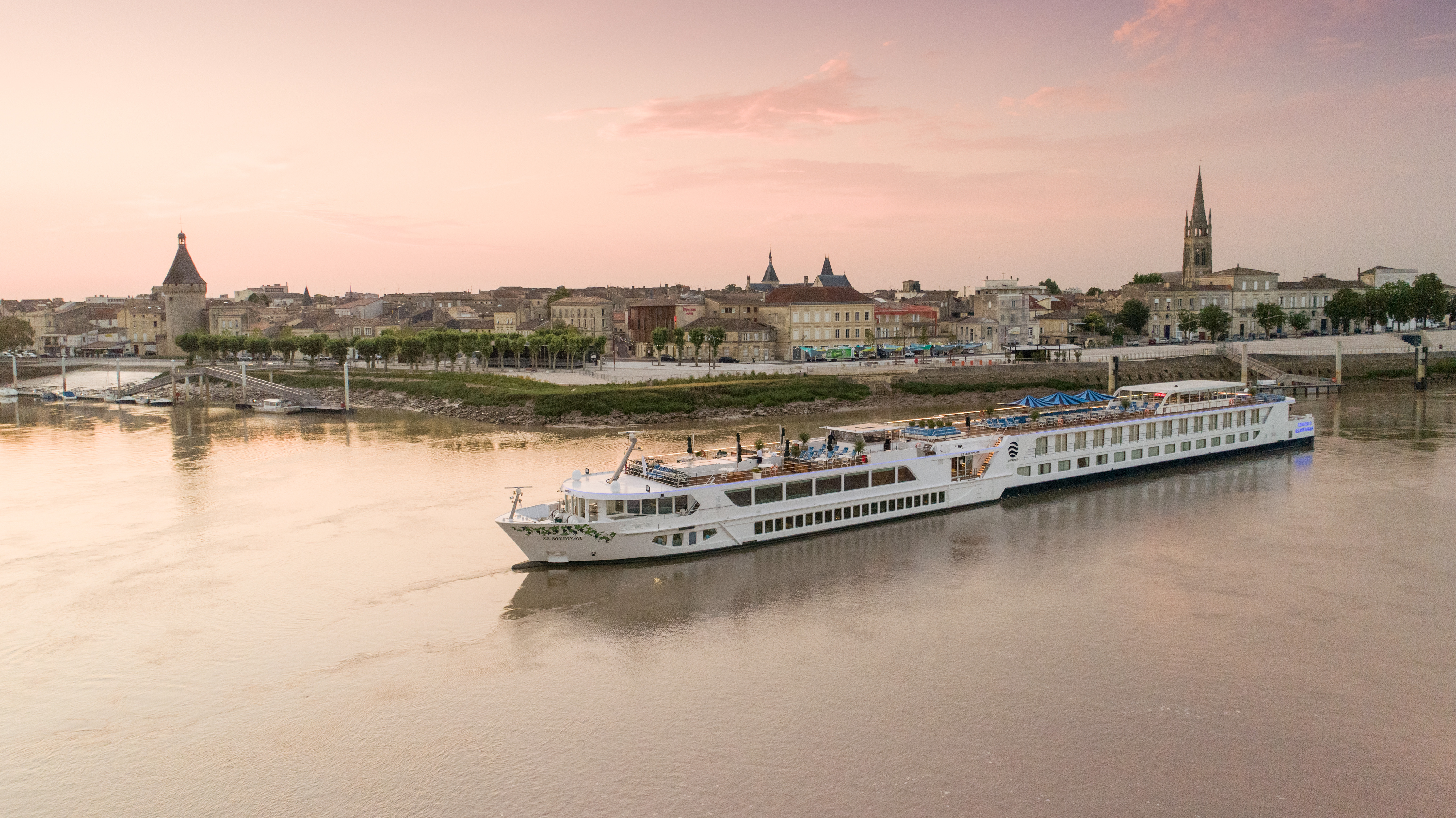
Ship features
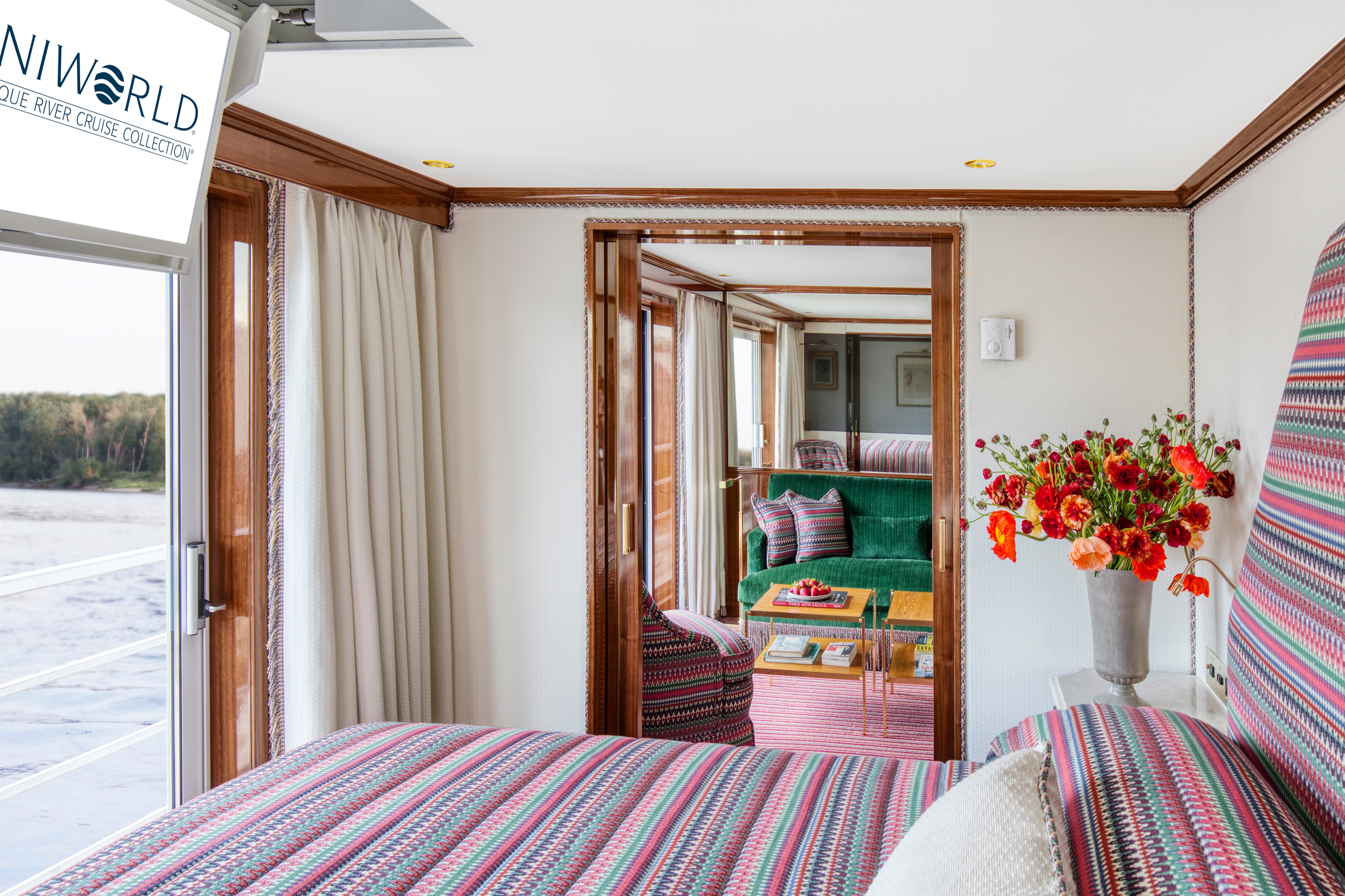
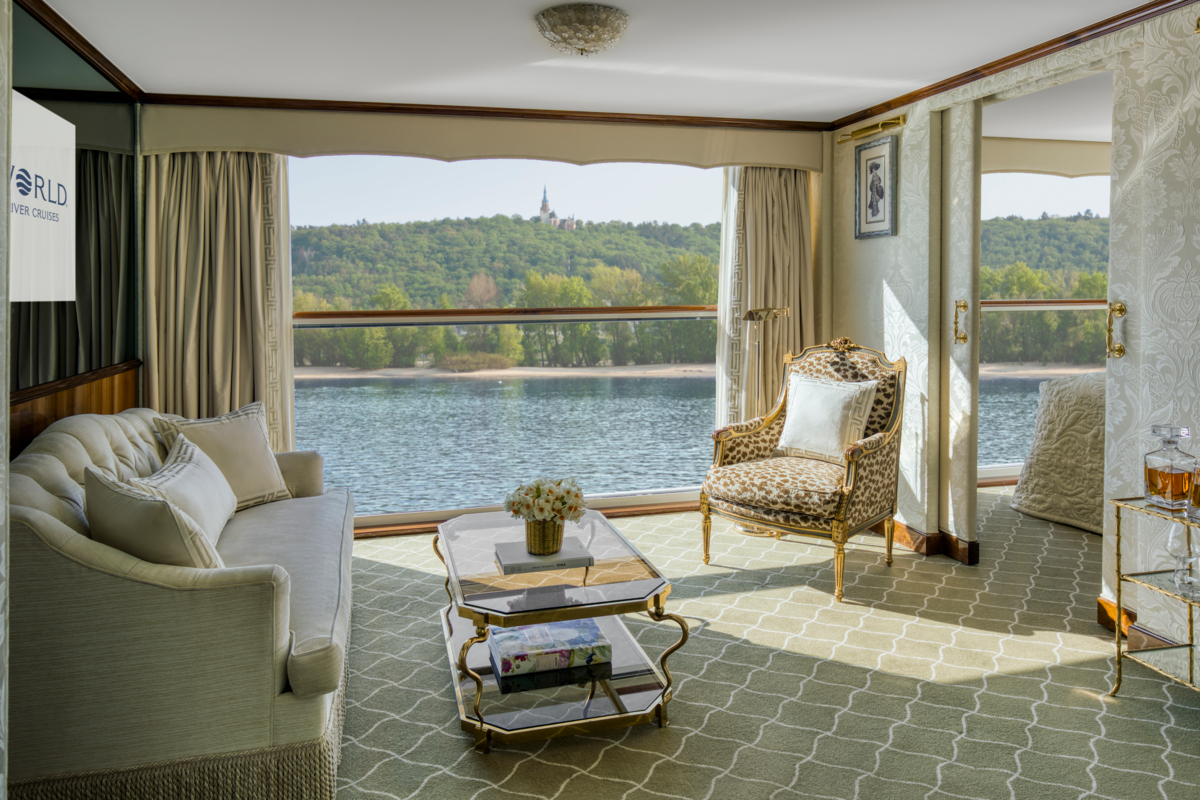
Grand Suite
Luxurious riverview grand suite (280 sq ft – 26 sq m) with a French balcony
Grand Suites include handcrafted Savoir® Beds of England, built-in closets, hair dryer, safe, individual thermostat and flat-screen TV with infotainment center
Marble bathroom with Asprey bath and body products, plush towels, towel warmer, comfortable bathrobes and slippers, a rain shower and tub, backlit magnifying mirror, heated mirror and a secluded toilet area
Butler service, such as packing and unpacking assistance, shoe shining, complimentary laundry service, and in-room breakfast delivery
In-room treats: fresh fruits and treats from your pastry chef delivered daily, a complimentary menu of specialty snacks and cocktails, Nespresso coffees and fine teas, a fully stocked mini bar, and a bottle of wine upon arrival
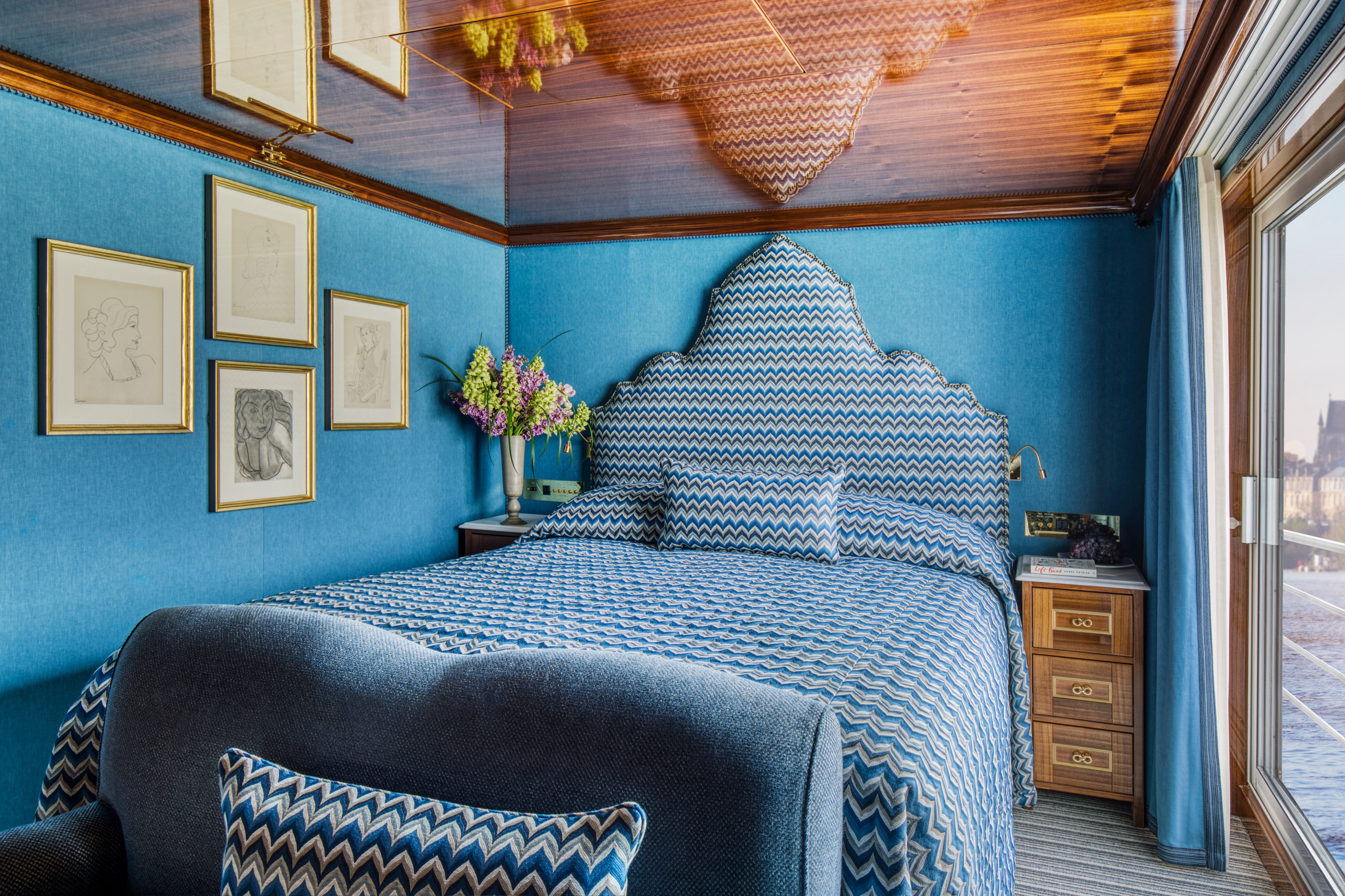
Suite
Luxurious riverview suite (210 sq ft – 19.5 sq m)
Handcrafted Savoir® Beds of England, built-in closets, hair dryer, safe, individual thermostat and flat-screen TV with infotainment center
Marble bathroom with Asprey bath and body products, plush towels, towel warmers, backlit magnifying mirror, heated mirrors, comfortable bathrobes and slippers
Butler service, such as packing and unpacking assistance, shoe shining, complimentary laundry service, and in-room breakfast delivery
In-room treats: fresh fruits and treats from your pastry chef delivered daily, a complimentary menu of specialty snacks and cocktails, Nespresso coffees and fine teas, a fully stocked mini bar, and a bottle of wine upon arrival
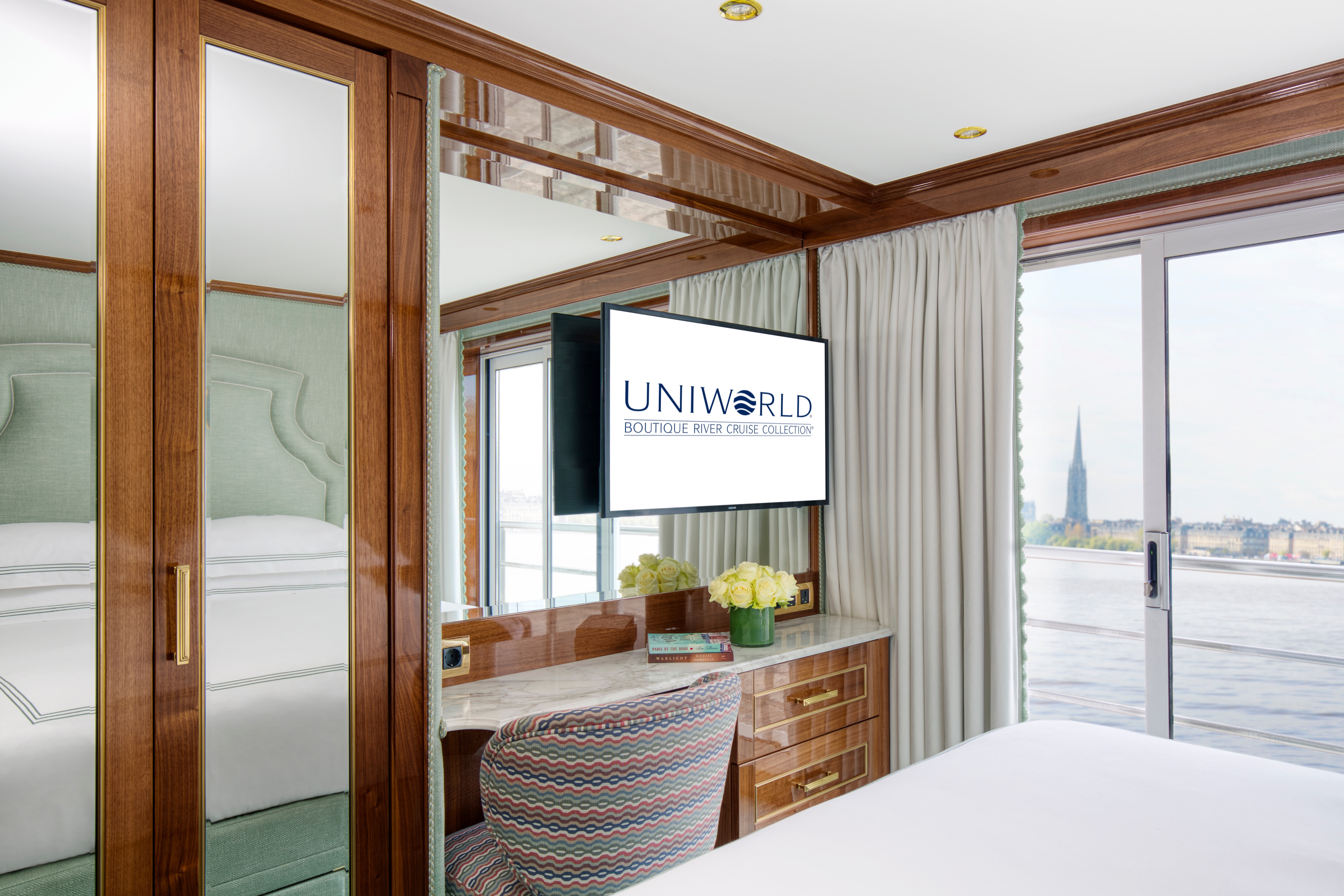
French Balcony
Luxurious riverview stateroom (140 sq ft – 13 sq m) with a French balcony
Handcrafted Savoir® Beds of England, built-in closet, hair dryer, safe, individual thermostat, flat-screen TV with infotainment center
Marble bathroom with Asprey bath and body products, plush towels, towel warmer, heated mirror, backlit magnifying mirror, comfortable bathrobes and slippers
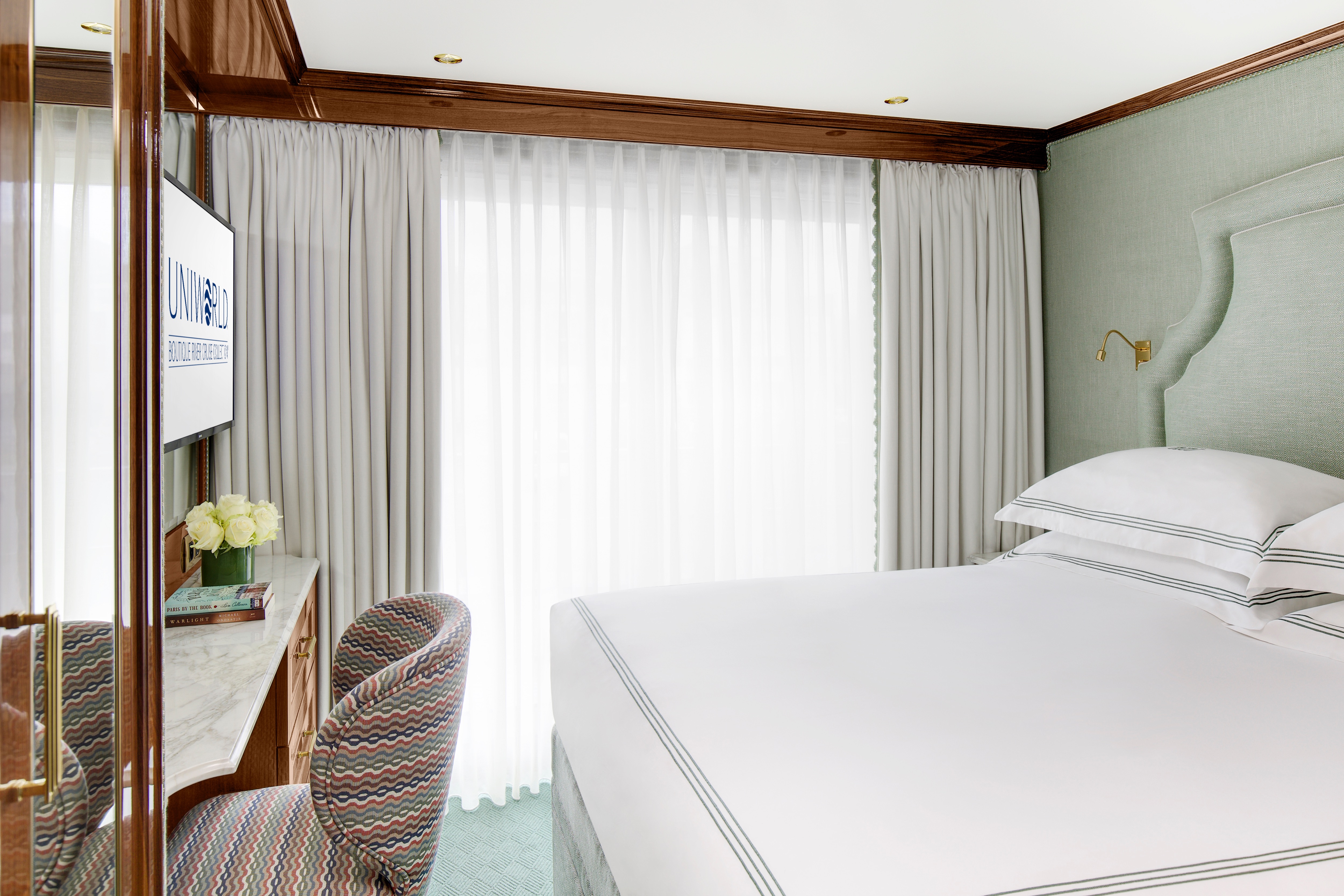
French Balcony A
Luxurious riverview stateroom (140 sq ft – 13 sq m) with a French balcony
Handcrafted Savoir® Beds of England, built-in closet, hair dryer, safe, individual thermostat, flat-screen TV with infotainment center
Marble bathroom with Asprey bath and body products, plush towels, towel warmer, heated mirror, backlit magnifying mirror, comfortable bathrobes and slippers
This category is only available on 2027 & 2028 sailings.
French Balcony B
Luxurious riverview stateroom (140 sq ft – 13 sq m) with a French balcony
Handcrafted Savoir® Beds of England, built-in closet, hair dryer, safe, individual thermostat, flat-screen TV with infotainment center
Marble bathroom with Asprey bath and body products, plush towels, towel warmer, heated mirror, backlit magnifying mirror, comfortable bathrobes and slippers
This category is only available on 2027 & 2028 sailings.
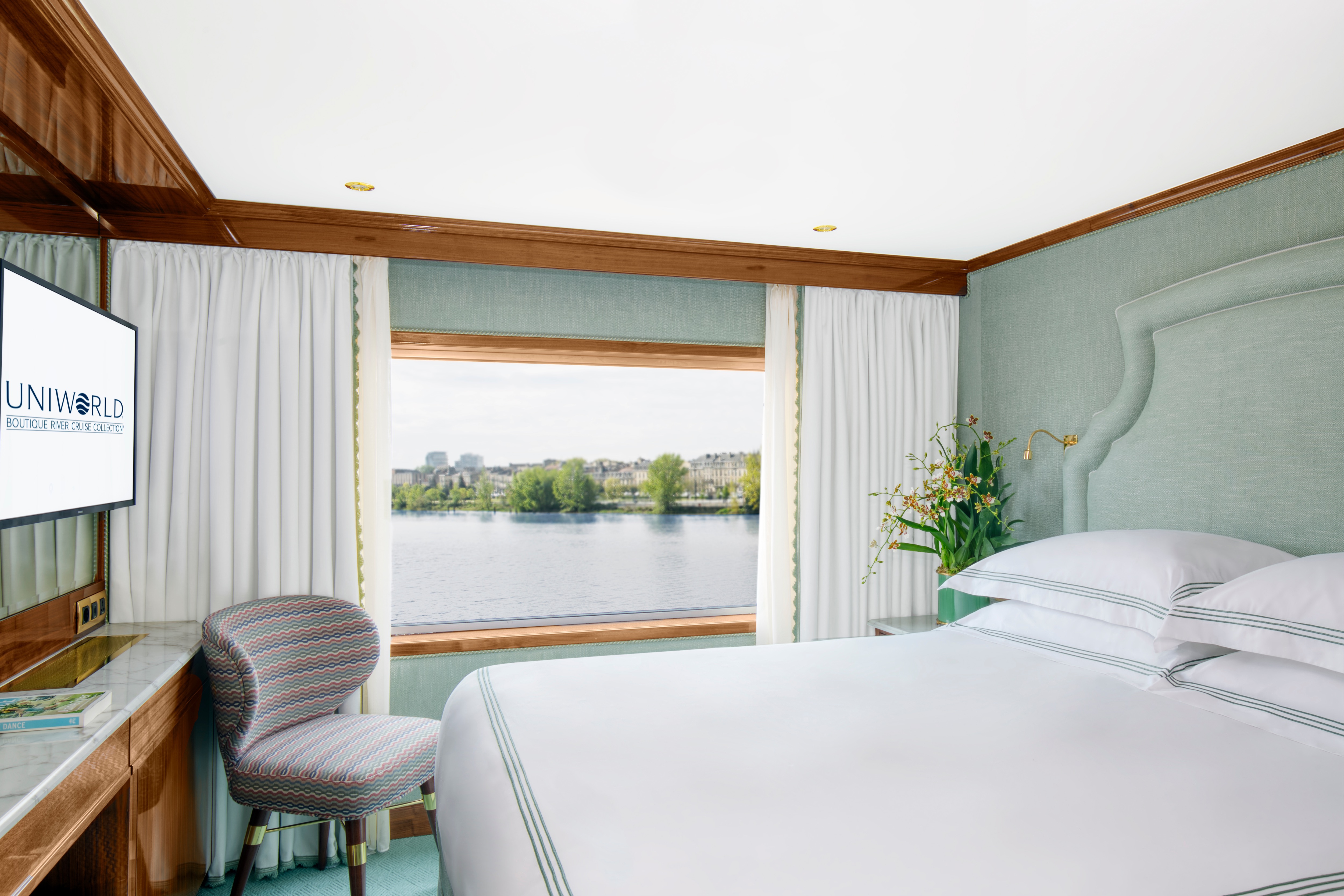
Deluxe
Luxurious riverview stateroom (151 sq ft – 14 sq m)
Handcrafted Savoir® Beds of England, built-in closet, hair dryer, safe, individual thermostat, flat-screen TV with infotainment center
Marble bathroom with Asprey bath and body products, plush towels, towel warmer, heated mirror, backlit magnifying mirror, comfortable bathrobes and slippers
Note that staterooms 201, 202, 230, and 231 have windows that are approximately 30% smaller than other Deluxe stateroom windows
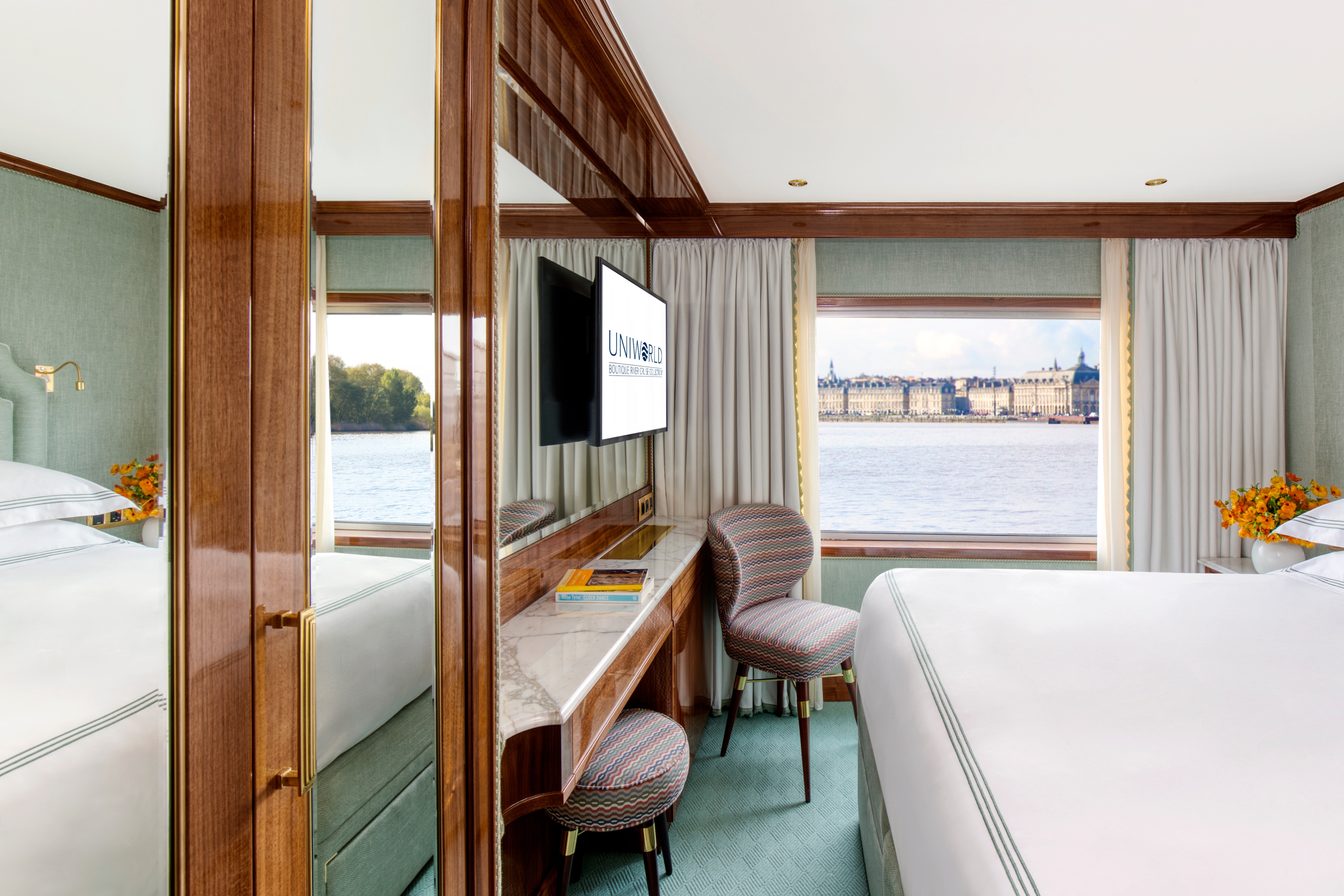
Deluxe A
Luxurious riverview stateroom (151 sq ft – 14 sq m)
Handcrafted Savoir® Beds of England, built-in closet, hair dryer, safe, individual thermostat, flat-screen TV with infotainment center
Marble bathroom with Asprey bath and body products, plush towels, towel warmer, heated mirror, backlit magnifying mirror, comfortable bathrobes and slippers
Note that staterooms 201, 202, 230, and 231 have windows that are approximately 30% smaller than other Deluxe stateroom windows
This category is only available on 2027 & 2028 sailings.
Deluxe B
Luxurious riverview stateroom (151 sq ft – 14 sq m)
Handcrafted Savoir® Beds of England, built-in closet, hair dryer, safe, individual thermostat, flat-screen TV with infotainment center
Marble bathroom with Asprey bath and body products, plush towels, towel warmer, heated mirror, backlit magnifying mirror, comfortable bathrobes and slippers
Note that staterooms 201, 202, 230, and 231 have windows that are approximately 30% smaller than other Deluxe stateroom windows
This category is only available on 2027 & 2028 sailings.
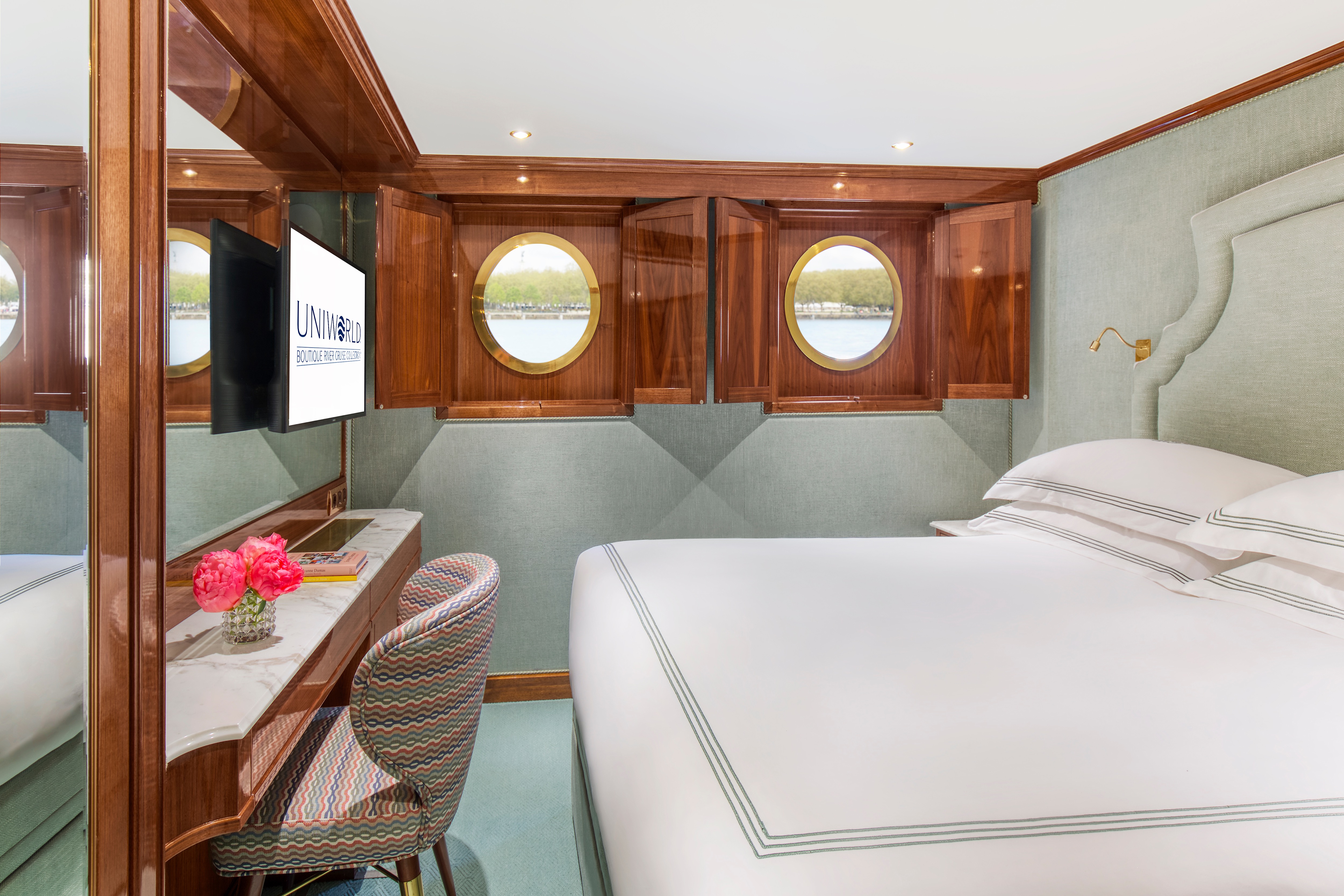
Classic
Luxurious riverview stateroom (151 sq ft – 14 sq m)
Handcrafted Savoir® Beds of England, built-in closet, hair dryer, safe, individual thermostat, flat-screen TV with infotainment center
Marble bathroom with Asprey bath and body products, plush towels, towel warmer, heated mirror, backlit magnifying mirror, comfortable bathrobes and slippers
Note: windows in these staterooms are situated at the water line
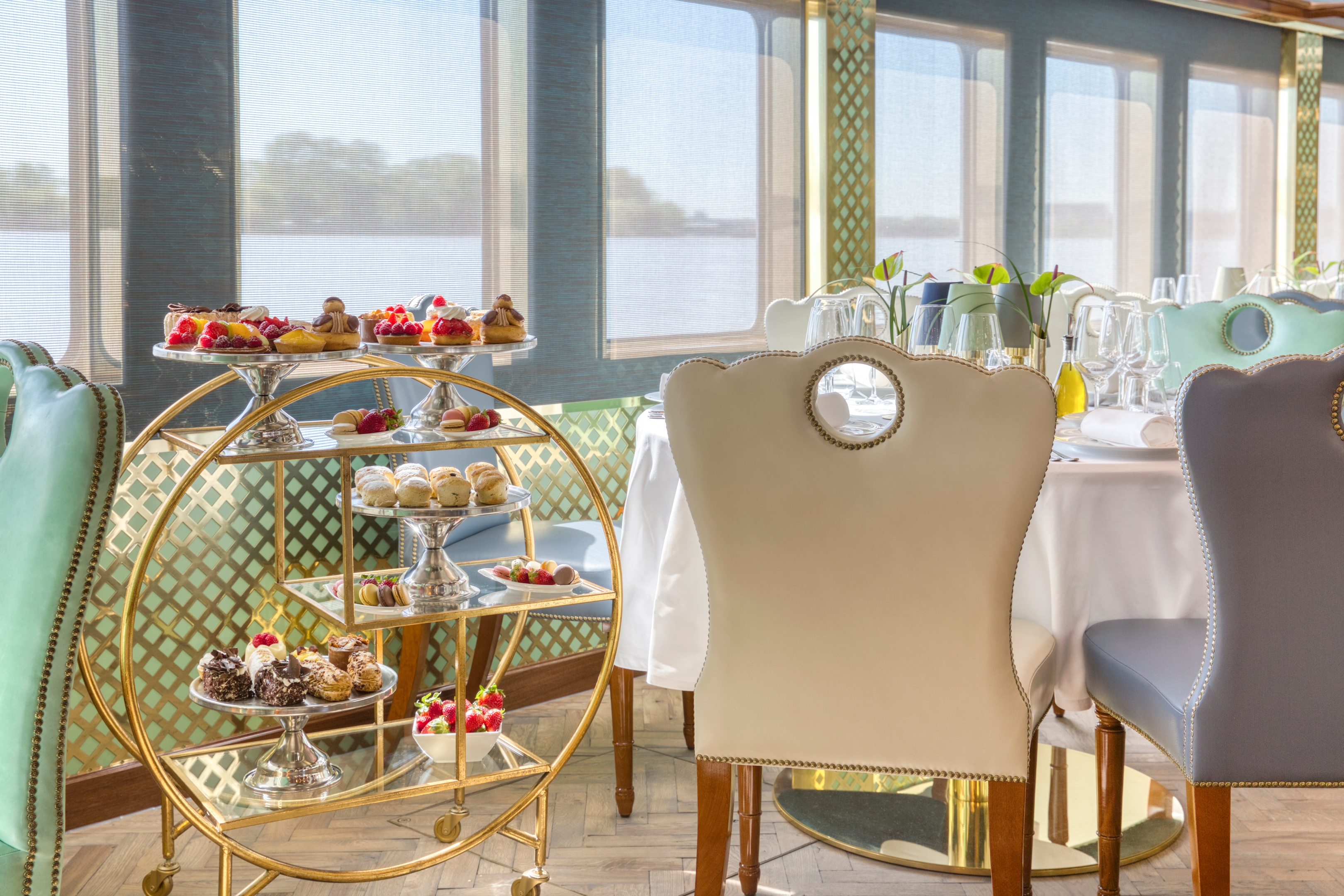
Le Grand Fromage
Le Grand Fromage can be found on Medoc Deck.
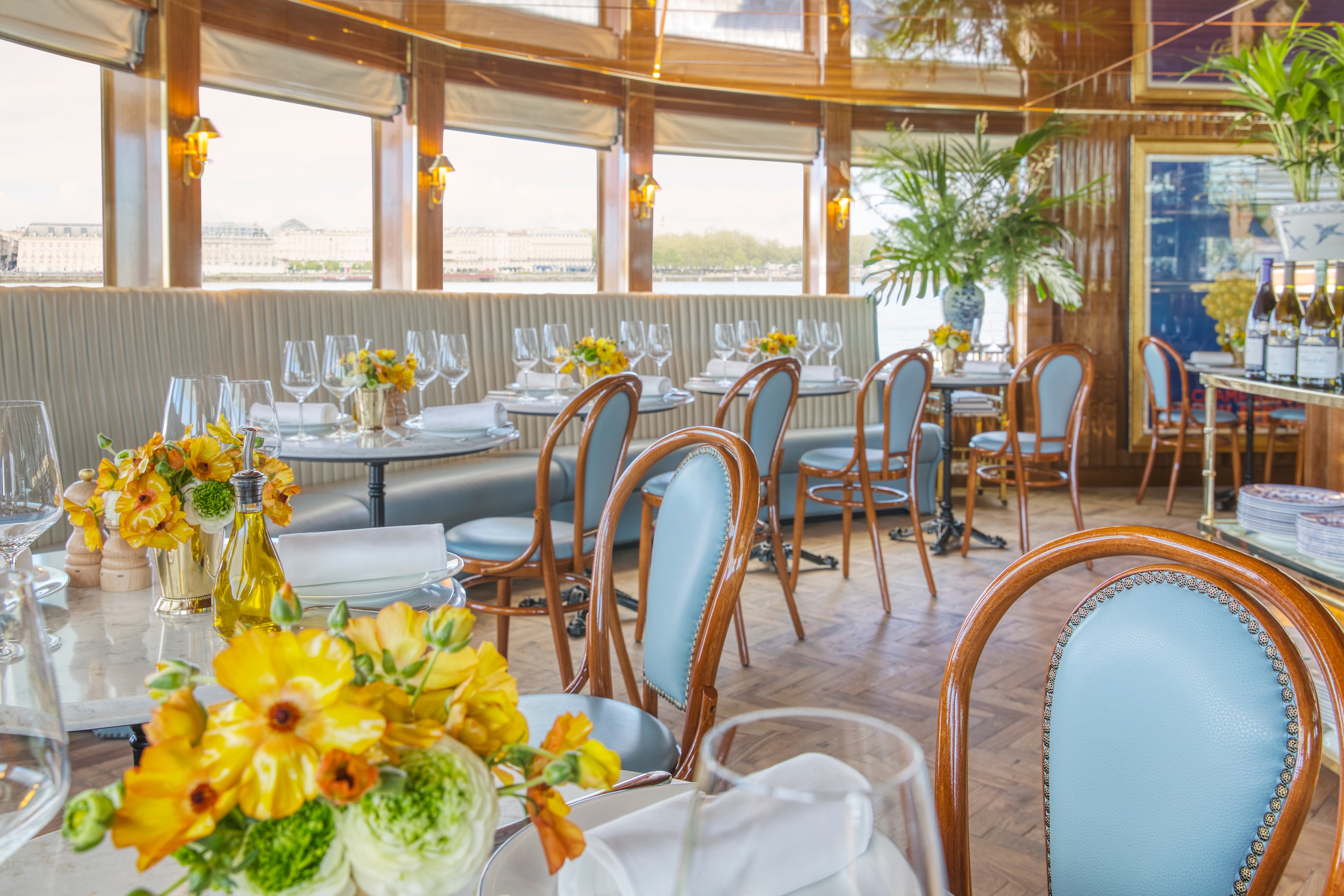
La Brasserie
La Brasserie can be found on Bordeaux Deck.
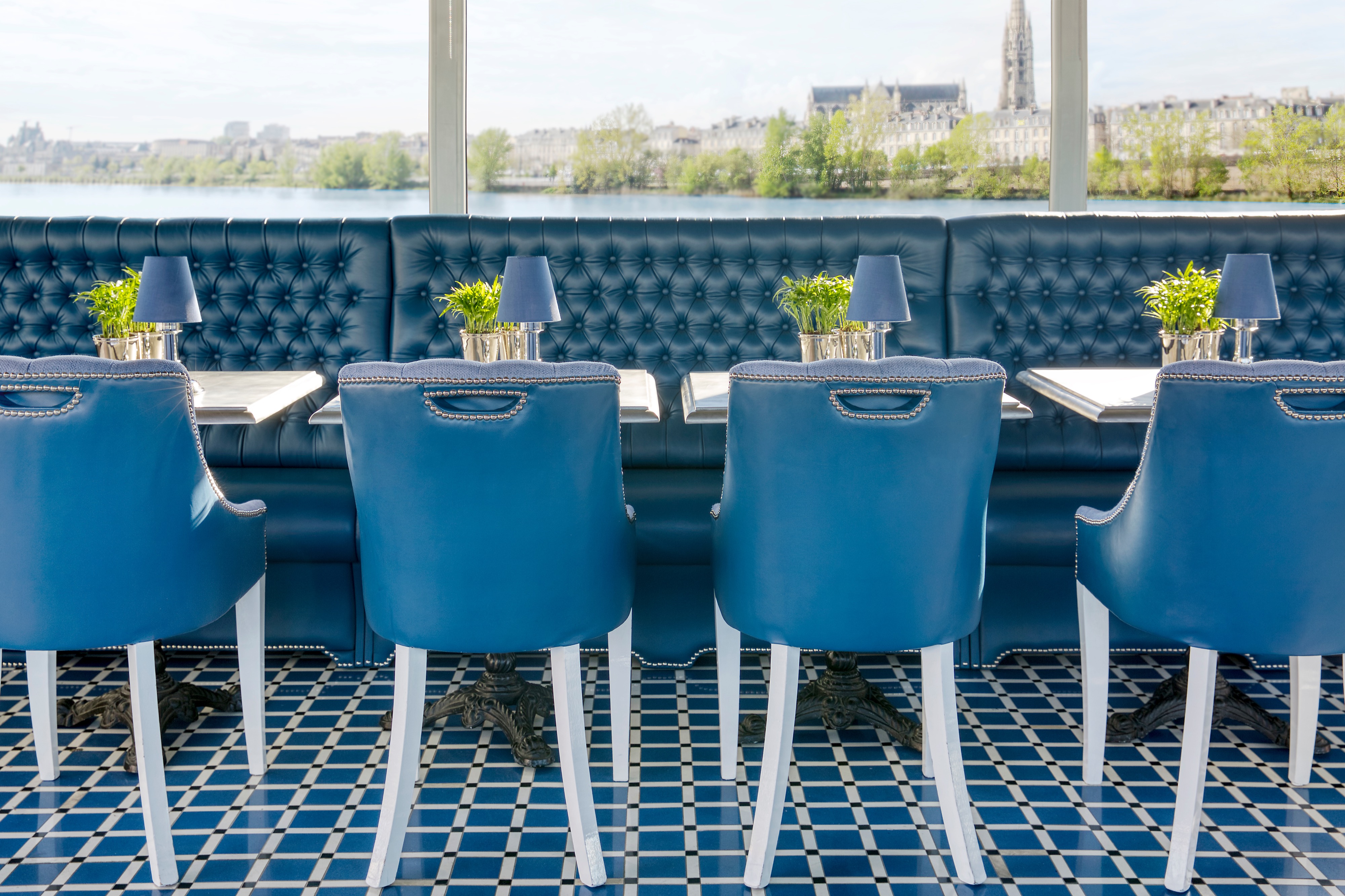
Cafe du Soleil
Cafe du Soleil can be found on Soleil Deck.
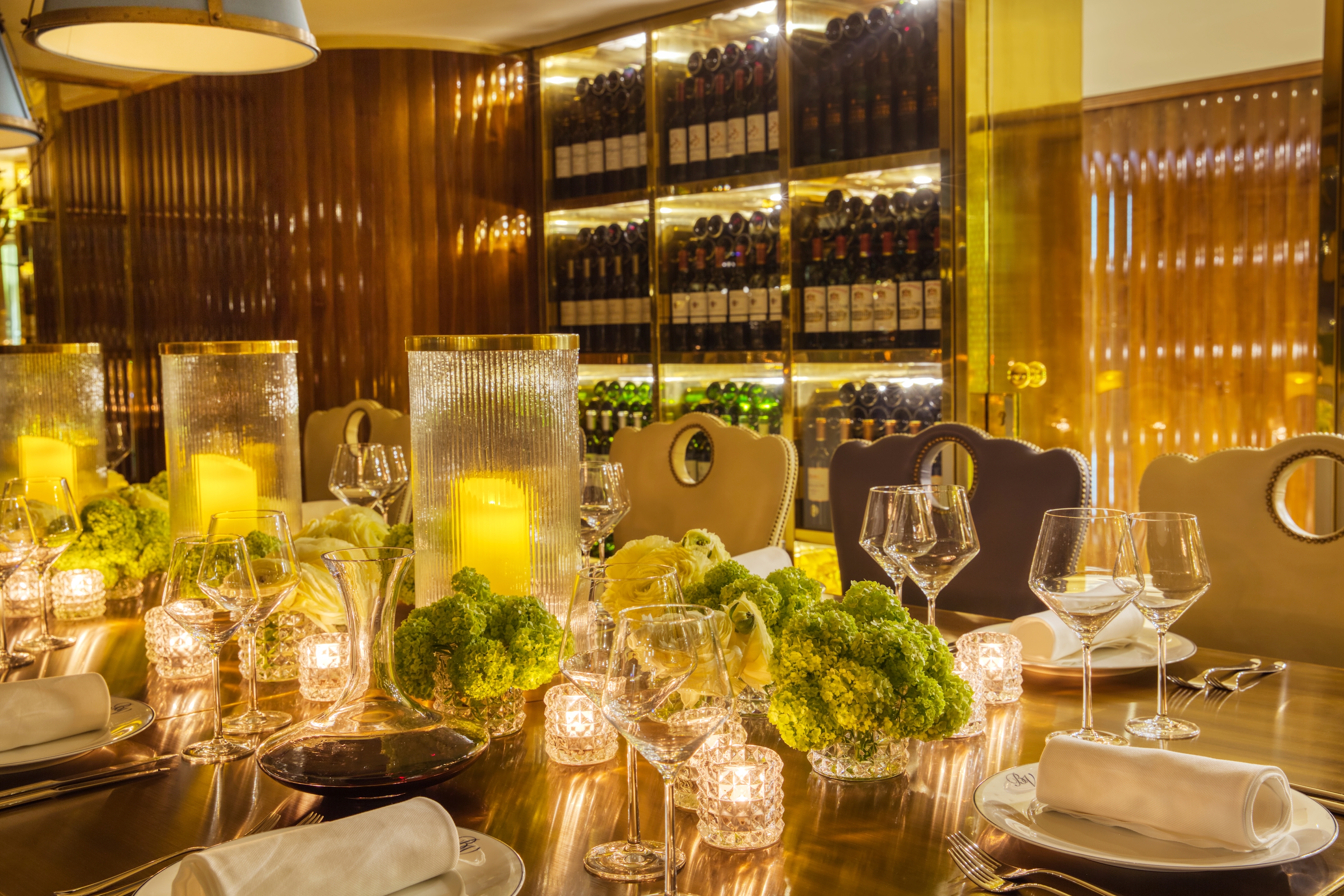
La Cave des Vins
La Cave des Vins can be found on Medoc Deck.
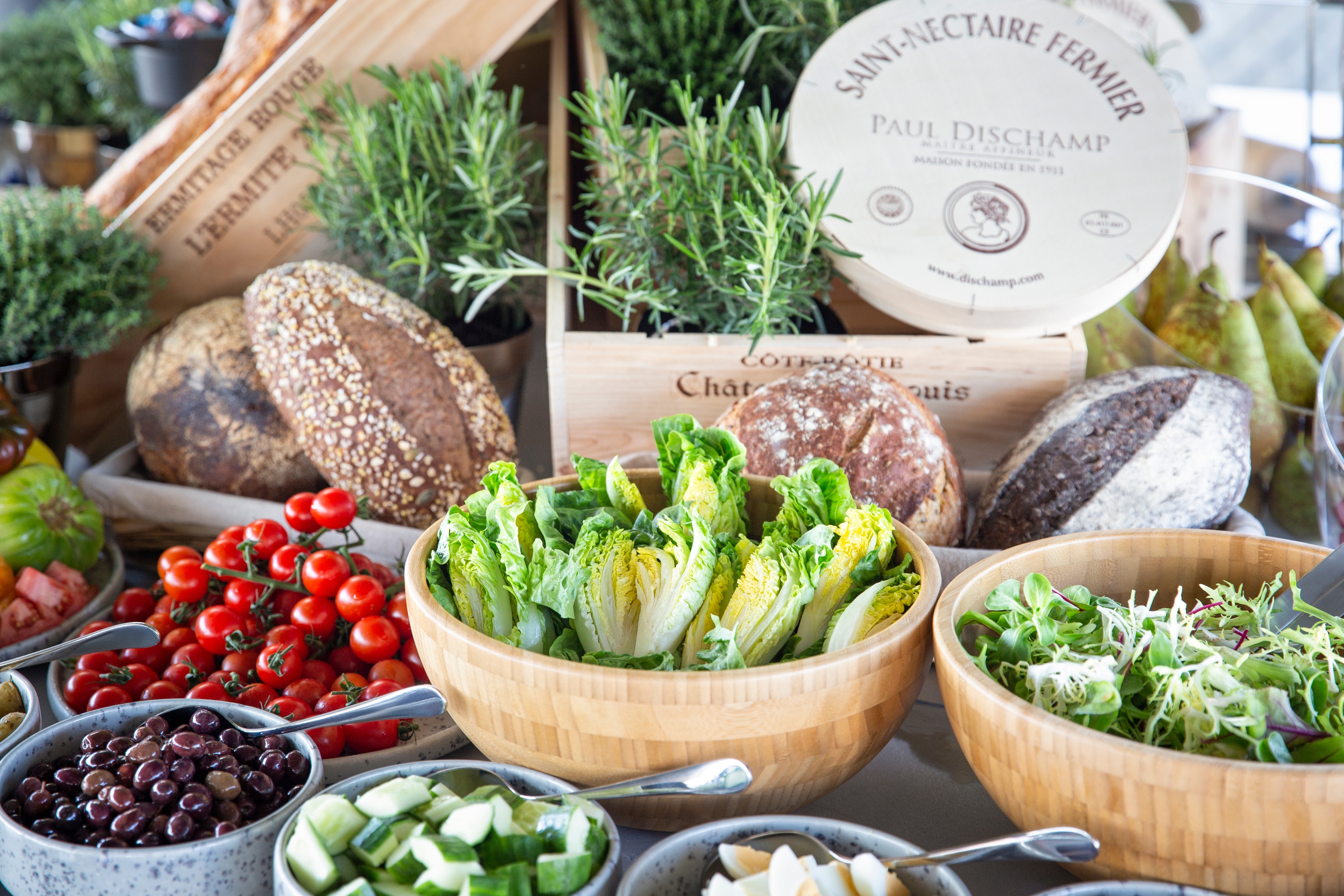
La Belle Etoile
La Belle Etoile can be found on Soleil Deck.
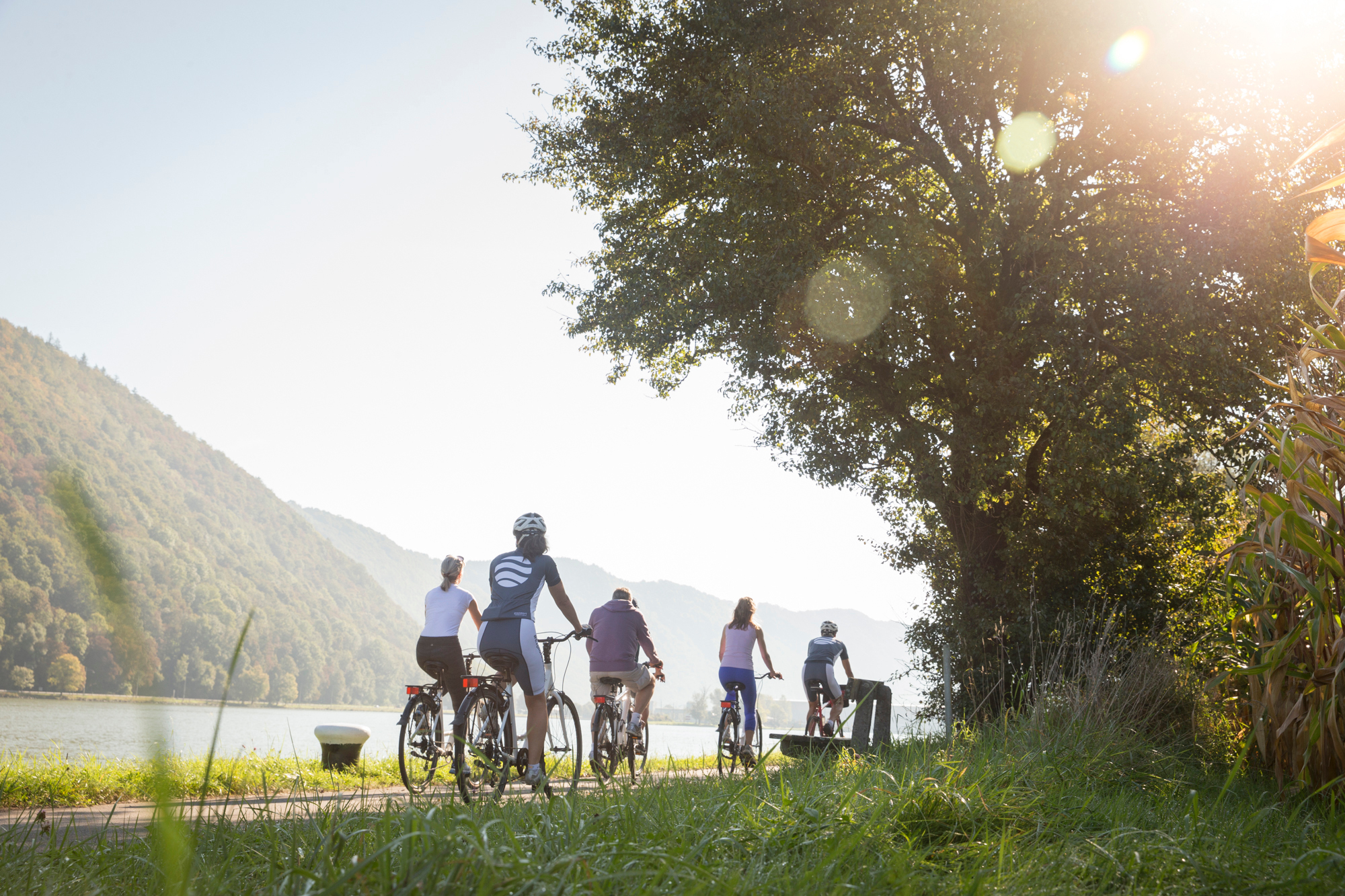
Excursions
Let’s Go
Our active excursions invite you to appreciate the natural world with invigorating walking, hiking, cycling, kayaking, and golfing activities.
Do as the Locals Do
Whether we’re seeking local favorite treats or hopping on public trams to zip around town, these tours capture what it’s like to live in the destinations you visit.
Private Experiences
From visiting a museum without the crowds to an after-hours tour of a famous landmark, these included, once-in-a-lifetime experiences are arranged privately for Uniworld guests.
Village Day
On a Village Day, you’ll select from a few different ways to explore village life, often by diving into a cultural pastime or getting to know someone in town.
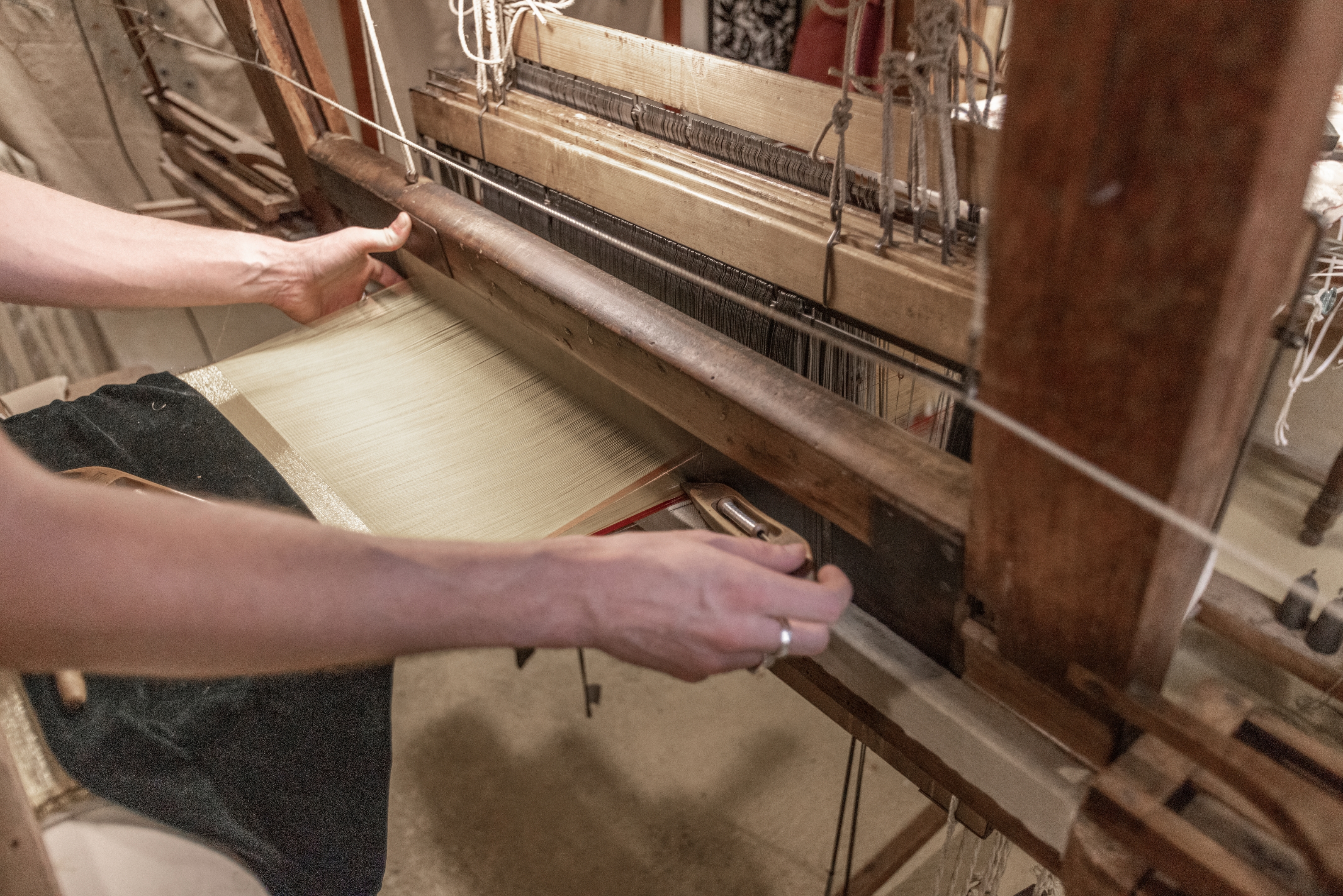
Make Travel Matter®
These sustainably minded excursions offer our guests opportunities to directly impact the communities we explore in a positive way.
MAKE TRAVEL MATTER® Experiences
Travelling with Uniworld means you’re travelling with purpose—supporting sustainable tourism as well as local communities and wildlife. Our MAKE TRAVEL MATTER® Experiences take that even further, offering our guests opportunities to directly impact the communities we explore in a positive way.
They are selected with great care using a proprietary assessment tool endorsed by industry experts, which ensures that our MAKE TRAVEL MATTER® Experiences directly advance United Nations Global Goals.

Nights Out
See your destinations in a whole new light
From private after-hours tours of popular attractions to local nightlife experiences, this new line of included excursions will go the extra mile to bring you uniquely memorable moments on your all-inclusive, luxury river cruise.
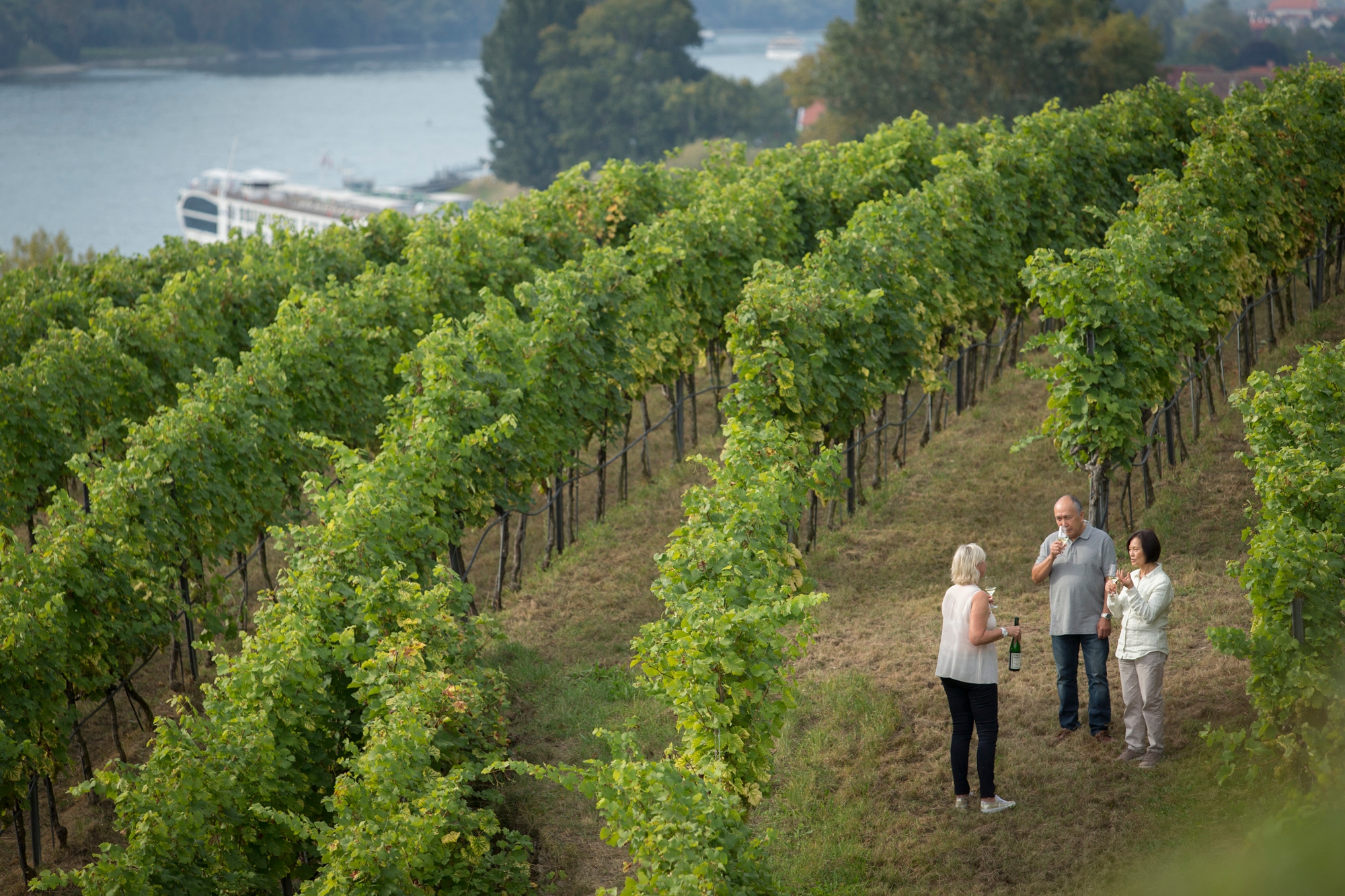
Masterpiece Collection
One of the many qualities that set a Uniworld Boutique River Cruise apart is the degree and quality of our all-inclusive amenities. We offer more inclusions—and more luxurious inclusions—than any other river cruise line. Our guests will always find everything they need and more to enjoy a wonderful holiday with Uniworld.
For the guests looking to take their journey one step further, we’ve curated a Masterpiece Collection of optional excursions that go above and beyond our included experiences, available for an additional charge.

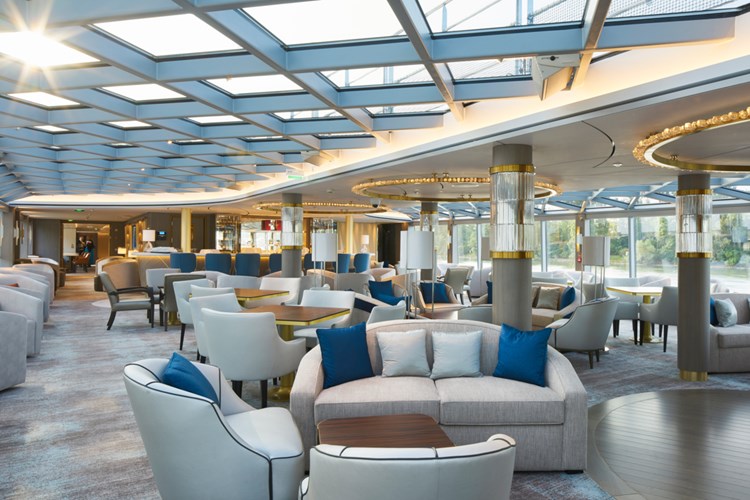
Le Salon Champagne
Le Salon Champagne can be found on the Bordeaux Deck.
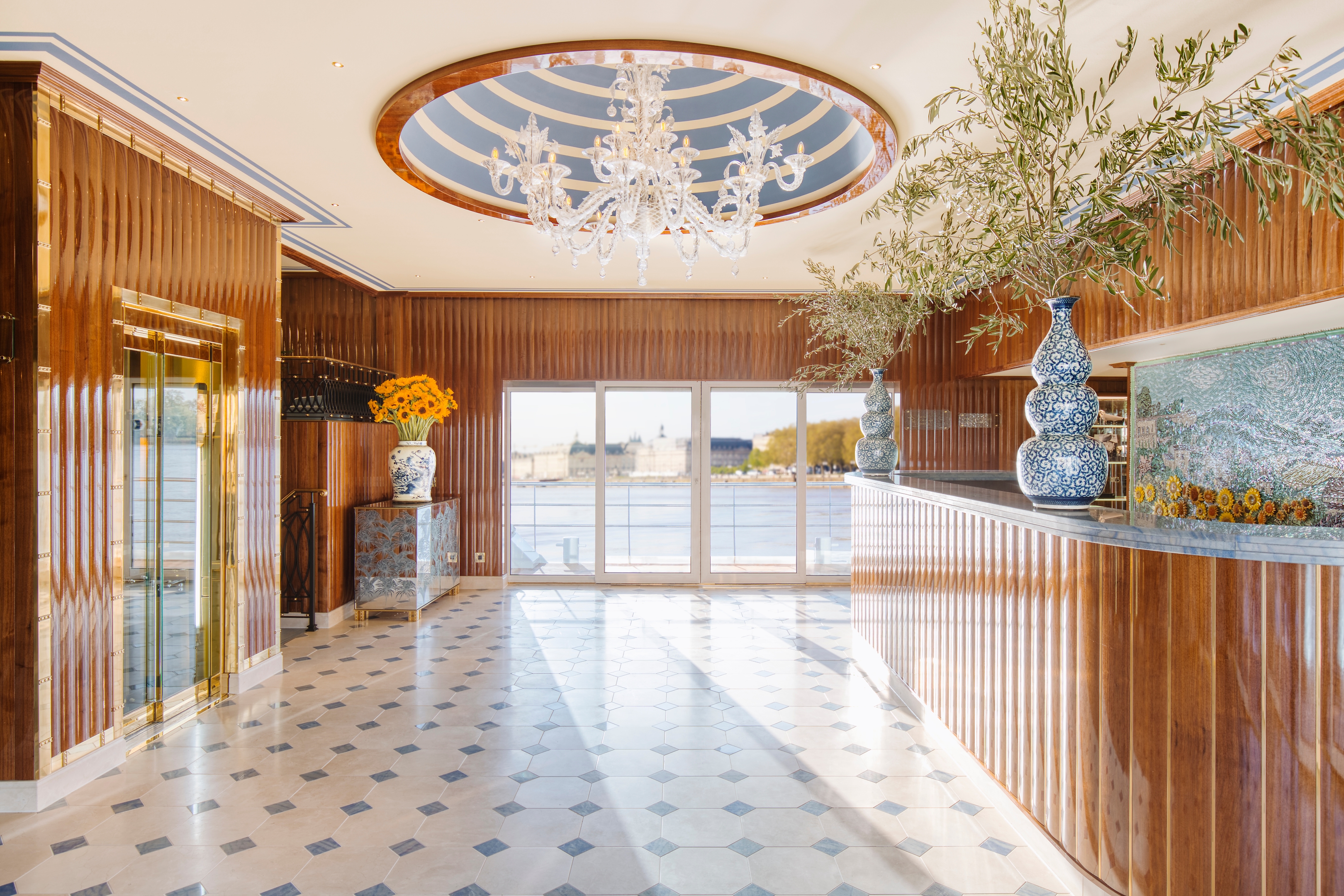
Reception
The Reception can be found on the Bordeaux Deck.
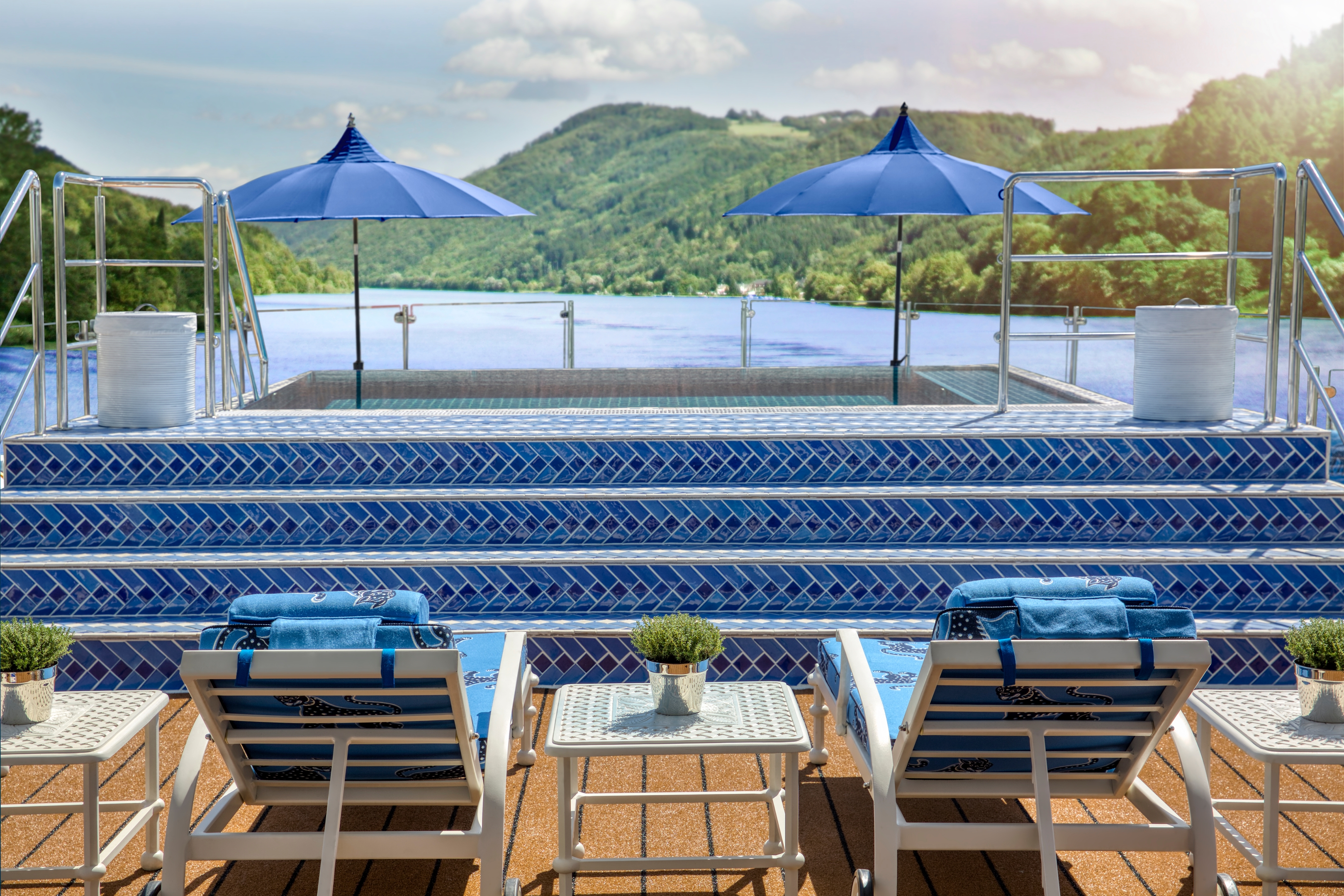
Infinity Pool
The Pool can be found on the Soleil Deck.
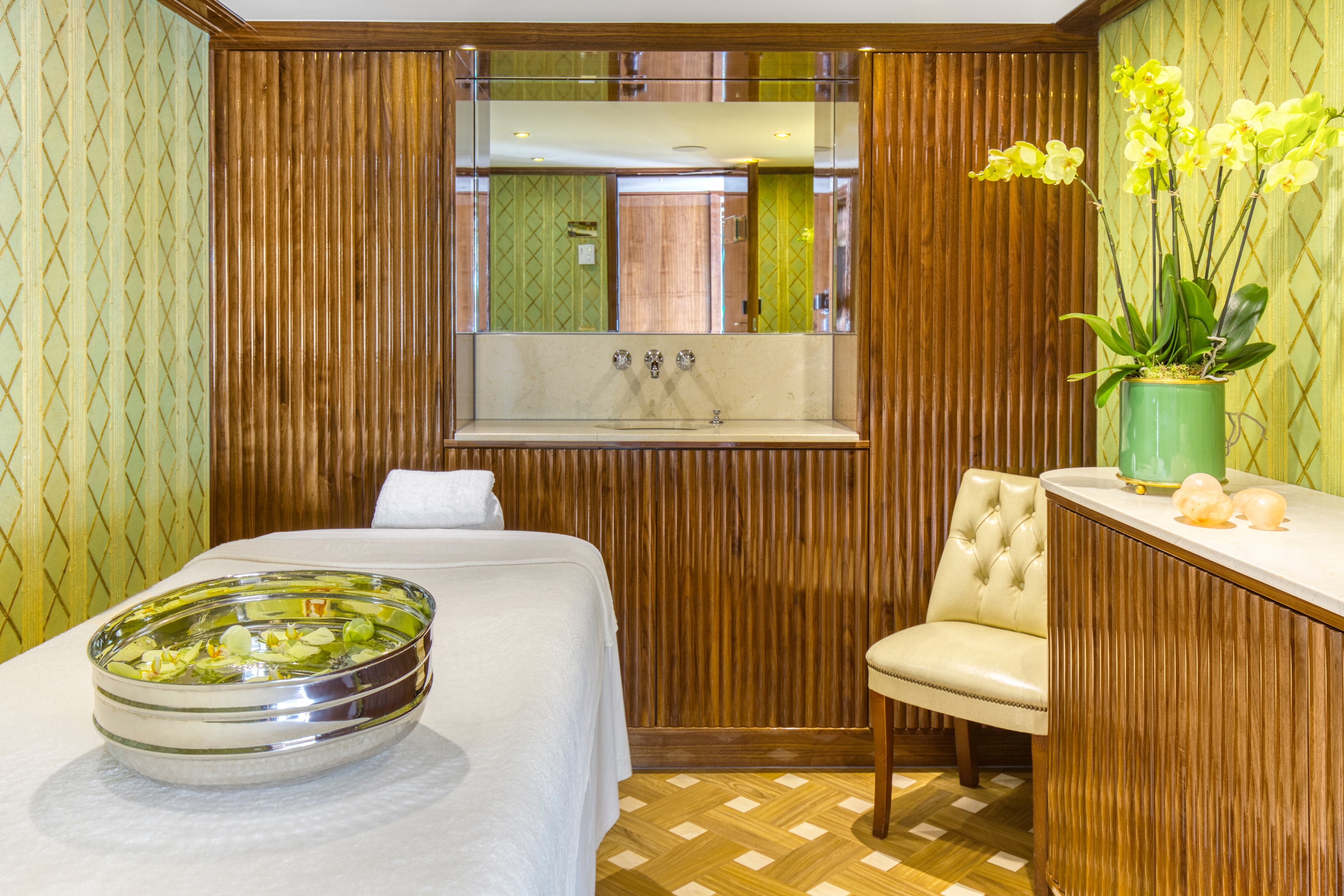
Serenity River Spa
The Serenity River Spa can be found on the Bordeaux Deck.
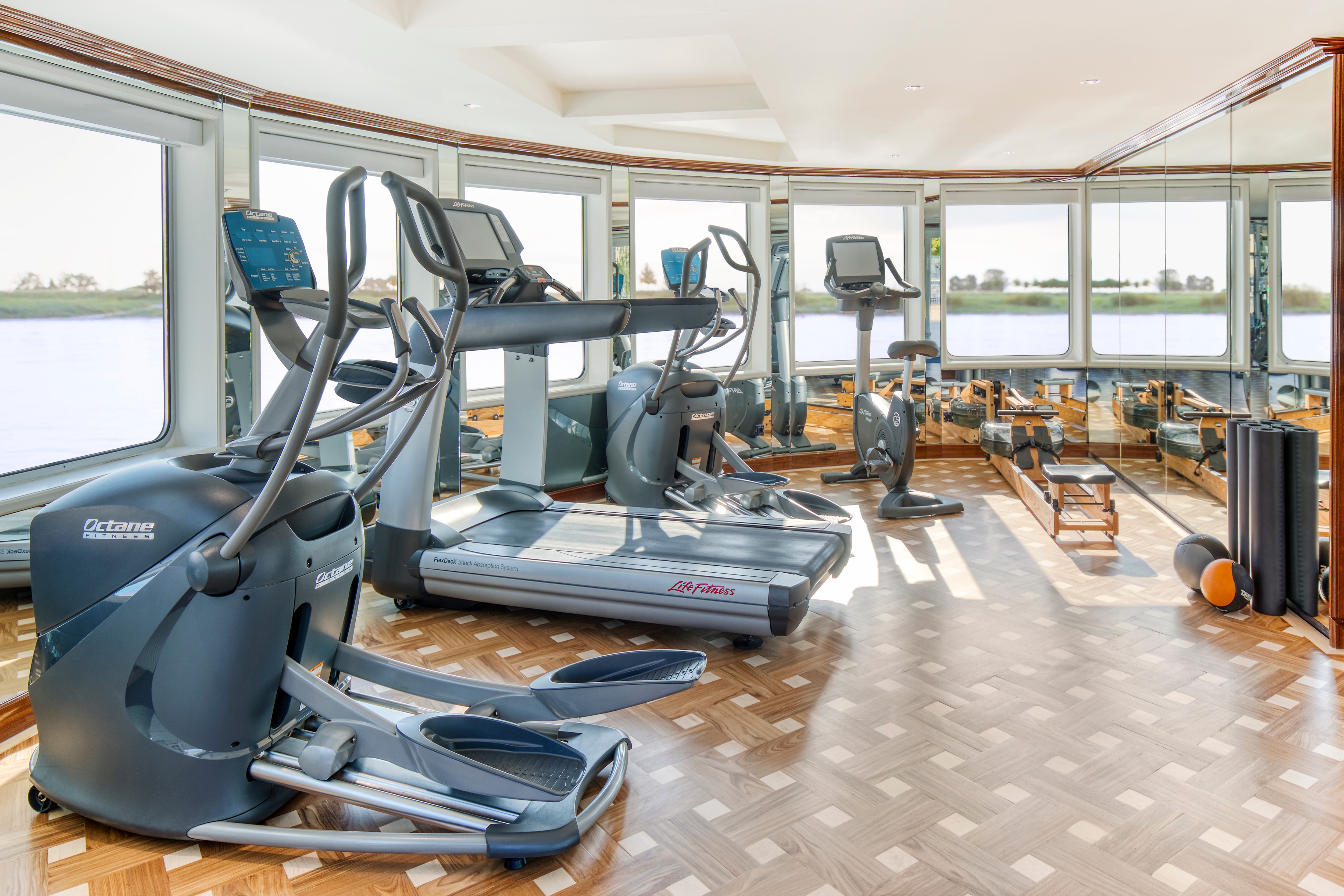
Fitness Centre
The Fitness Centre can be found on the Bordeaux Deck.
Special Generation Amenities
Stress-Free Holidays
You shouldn’t have to worry about micromanaging your family while you’re on holiday. On an all-inclusive Generations Collection cruise, every detail is thought of and taken care of for you—from making sure the kids are entertained onboard and onshore to providing three delicious meals a day. All you have to do is unpack once, and we’ll whisk you away to multiple towns (or countries even!) in one trip, with immersive experiences that every generation will enjoy.
Cultural Enrichment
When you share the gift of travel with the little ones in your life, you nourish their passion for world cultures, foster an adventurous spirit, and give them an invaluable learning opportunity by bringing them up close and personal to historic sites and new ideas. Our tours are designed to enhance this effect with a carefully curated combination of education and fun.
Special Amenities in Europe
- Exciting shore excursions tailor-made for families
- Kid-friendly menus for each meal
- The Young Travellers’ Table, reserved on certain nights just for our younger guests and Family Hosts
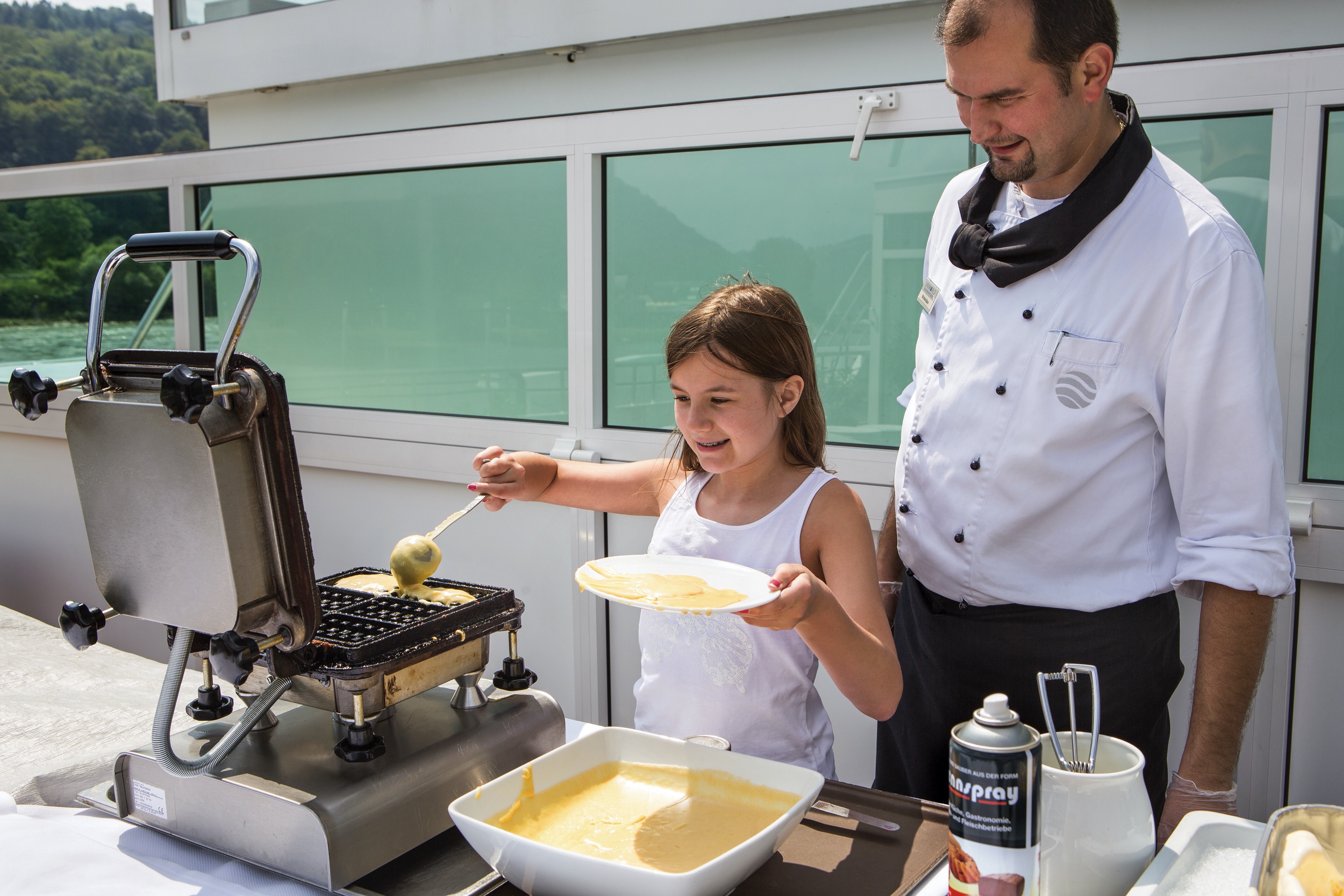
- Onboard activities just for kids, such as craft workshops and cooking classes with the ship’s chef and pastry chef
- Young Travellers’ Lounge, complete with video game console, games, movies, and local treats
- Two dedicated Family Hosts to oversee all activities for Junior Cruisers (ages 5 to 12 years) and Teen Cruisers (ages 13 to 17 years)
- Kids-only movie nights in the onboard cinema, where applicable
- A special VIP ship tour with the Captain or Hotel Manager
Special Dietary Requirements
Kindly inform us in advance if you have specific dietary requests (e.g., low-fat, low-calorie, gluten-free, sugar-free, vegetarian, etc.). This information can be provided to us when completing your Passenger Information Form. We have a “Travelling Lite” menu for guests seeking more health-conscious options, as well as light lunches, vegetarian options, and generous buffets that offer something for everyone. We will do our very best to accommodate your needs given the resources available to us.
Age Restrictions
In our experience, most young children—especially those under 4—are simply not yet old enough to enjoy river cruising. We make no special arrangements for little ones and offer few kid-friendly activities onboard or onshore. Please note: Our Generations program departures include programs and services designed for families traveling with children. Adults accompanying children are responsible for their safety and behavior onboard and onshore.
Guests must be 5 years of age or older. Guests who are less than 18 years of age must be accompanied by a parent or guardian and booked in a cabin with someone who is 21 years of age or older.
Smoking Policy
For the comfort of all our guests, smoking is only permitted on the sun decks of our ships. Smoking is not permitted on motorcoaches. This policy applies to all forms of smoking materials including vapor e-cigarettes.
We also ask guests to refrain from smoking on shore excursions/tours, especially since many historical sites and other tourist attractions are now smoke-free as well.
Laundry
Most ships have either a self-serve laundrette (with ironing board) or laundry service for an additional fee. Please contact info@uniworld.com to find out what services your ship offers. No dry cleaning services are available on any ship.
Wi-Fi & Internet Access
Select ships offer complimentary Wi-Fi access. Please email us at info@uniworld.com to find out if Wi-Fi is available onboard. Service may be briefly interrupted in remote areas, while sailing, or when moving through locks, and the speed will likely be slower than what you are used to back home.

Soleil Deck
- Infinity Pool
- Le Cafe du Soleil (La Belle Eltoile)
- Bridge

Bordeaux Deck
- Reception
- Le Salon Champagne
- Bar
- La Brasserie
- Fitness Centre
- Serenity River Spa
- Elevator
- Grand Suite
- Suite
- French Balcony Staterooms

Medoc Deck
- Le Grand Fromage
- La Cave des Vins
- Guest Laundry
- Elevator
- Deluxe Stateroom

Beaujolais Deck
- Elevator
- Classic Stateroom